

A team of international researchers has achieved an unprecedented feat by extracting a 1,268-meter section of mantle rock from beneath the Atlantic Ocean, drilling deeper into the Earth’s crust than ever before.
This remarkable core sample, taken from the Atlantis Massif along the Mid-Atlantic Ridge, opens new pathways for studying Earth’s mantle composition and processes, offering fresh perspectives on geological evolution and the emergence of life.
Understanding the Importance of the Mantle Sample
The mantle, situated just below the Earth’s crust, makes up the bulk of our planet's interior and has piqued scientific curiosity for decades. Yet accessing mantle material directly has been a formidable challenge due to its great depth beneath the surface. Securing such an extensive mantle rock core is a historic achievement, granting researchers an unparalleled chance to explore the mantle’s makeup, structure, and chemical dynamics in fine detail.

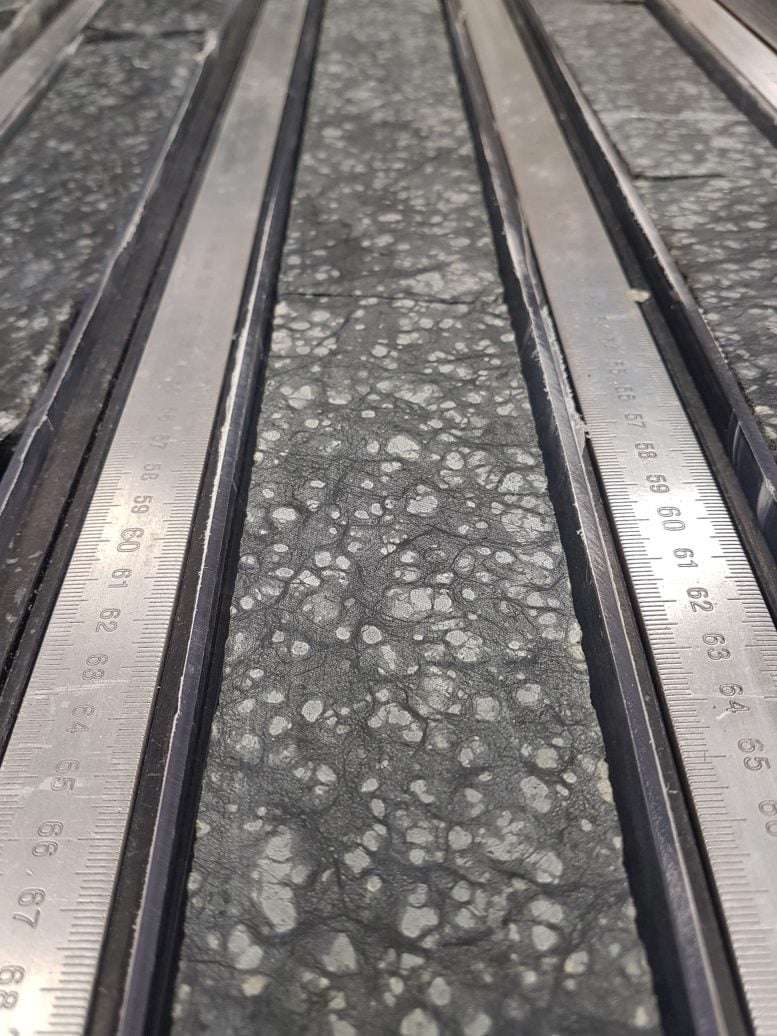
These mantle rocks were retrieved from a tectonic window where mantle material naturally surfaces due to plate movements. This drilling endeavor formed part of the International Ocean Discovery Program’s (IODP) Expedition 399, titled "Building Blocks of Life, Atlantis Massif."
More than 30 scientists worldwide led this effort and are currently scrutinizing the sample to explore the mantle’s influence on volcanic activity, cycling of crucial elements like carbon and hydrogen, and conditions that might have spurred life’s beginnings on our planet.
Revelatory Discoveries and Their Impact
Preliminary analyses of the mantle core have produced unexpected findings. Professor Johan Lissenberg from Cardiff University, head of the project, revealed the rocks exhibited far greater melting than previously anticipated.
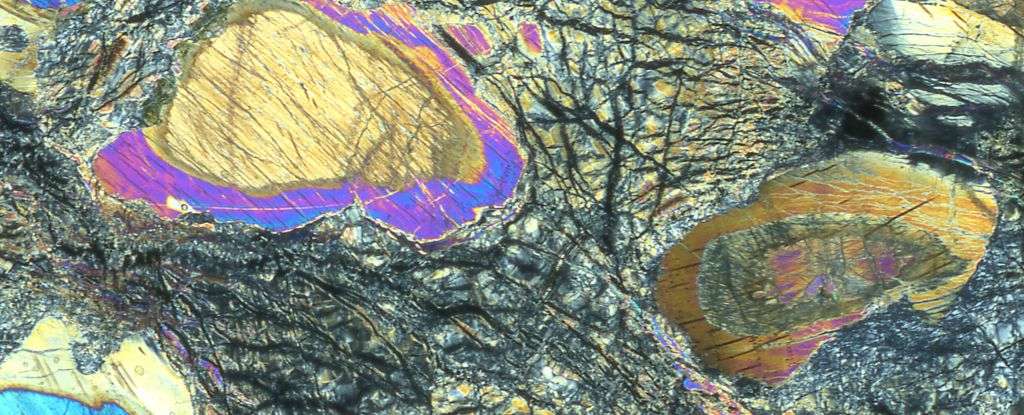
“The rocks contain significantly less pyroxene and have elevated magnesium levels, signatures of intensive melting processes as the mantle material ascended towards the Earth’s surface.” Lissenberg explained.
These insights drastically refine our understanding of magma genesis and its role in volcanic phenomena, especially beneath the oceans where much of Earth’s volcanic activity unfolds. The core’s revealed melt transport channels shed light on the mechanisms that deliver magma and sculpt the planet's surface.
Connections to Early Life Conditions
A particularly captivating aspect of this discovery concerns life’s origin story. The mantle samples are rich in olivine, a mineral that interacts with seawater to generate hydrogen and other compounds vital to life. Such chemical reactions may have fostered aquatic environments conducive to life’s earliest forms.
Dr. Susan Q. Lang, associate scientist at the Woods Hole Oceanographic Institution and co-chief scientist of the expedition, highlighted the importance: “The rocks we recovered resemble those present on early Earth much more closely than typical continental rocks today,” she said. “Studying them offers crucial insights into the early planet's chemistry and physical conditions, potentially revealing how long-lasting energy sources and habitats for primordial life existed.”
Ongoing research into these mantle cores promises to deepen our grasp of the environmental factors that nurtured life’s rise on Earth, opening new avenues to answer profound scientific questions.
Future Research Goals
The international team, spearheaded by universities and research institutions worldwide, will keep examining the extensive core to address numerous geological, geochemical, and biological puzzles. Dr. Andrew McCaig, associate professor at the University of Leeds and expedition co-chief scientist, expressed enthusiasm for the research’s impact.
“This deep core will serve as a foundational reference for decades, informing fields from mantle melting processes and rock-ocean chemical interactions to organic geochemistry and microbiology,” McCaig stated. The expedition’s data will be fully accessible to researchers globally, fostering collaborative scientific progress.
Securing this mantle rock sample marks a significant leap in unveiling Earth’s interior and evolutionary past. Continued analysis could revolutionize how we view the mantle’s influence—from driving volcanic activity to shaping life’s emergence—transforming our comprehension of the planet we inhabit.











0 comments
Sign in to Comment