
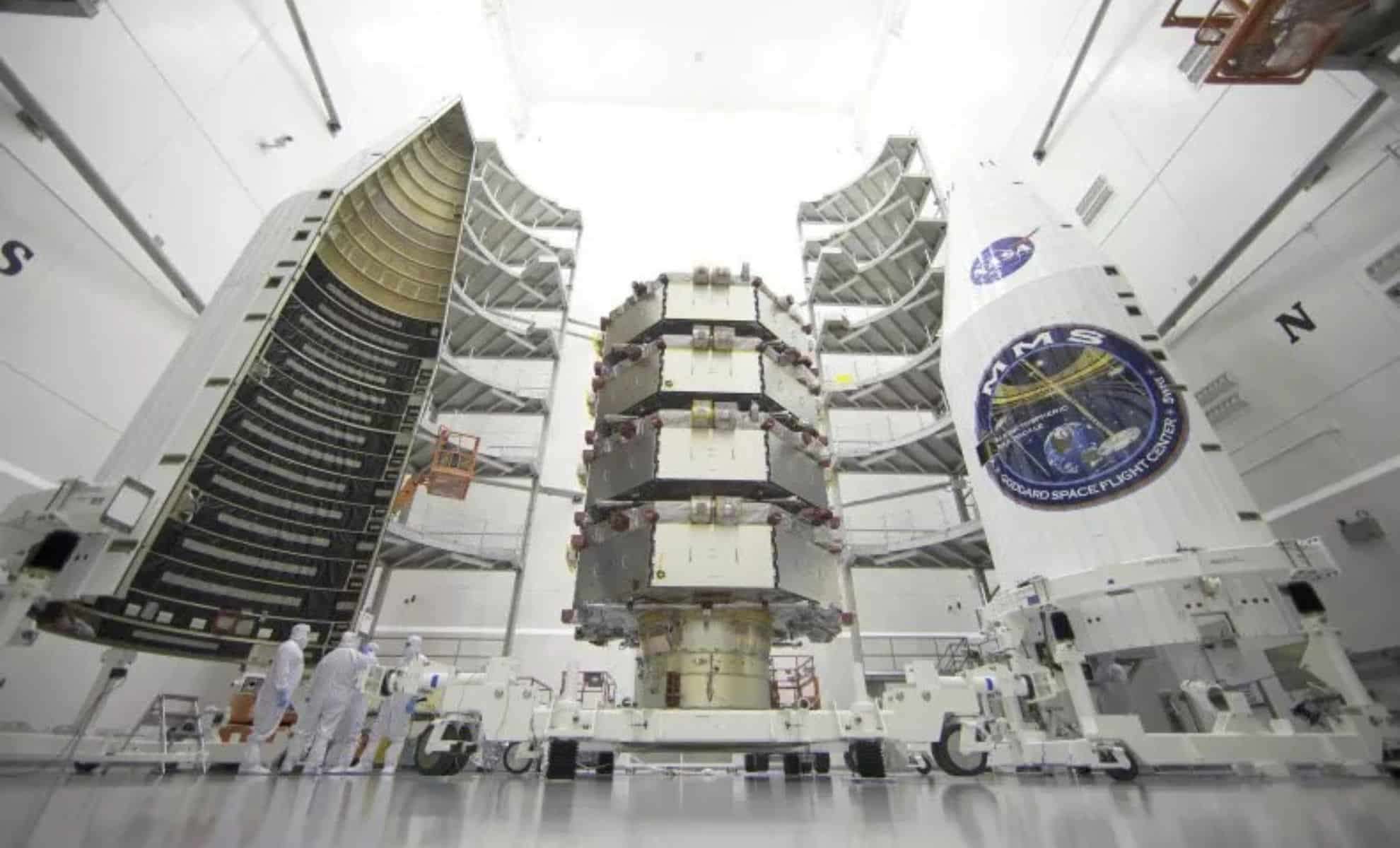
In a groundbreaking observation, NASA’s Magnetospheric Multiscale (MMS) mission has identified chorus waves — bursts of electromagnetic plasma — at an unprecedented distance exceeding 62,000 miles from Earth. These waves produce sounds akin to bird chirping when transformed into audible frequencies, providing potential clues to novel phenomena within Earth's magnetosphere. This unexpected finding has energized the scientific community by raising intriguing questions about the dynamics governing our space environment.
"This discovery introduces many fresh uncertainties regarding the physics occurring in this distant region," noted Allison Jaynes, a space physicist based at the University of Iowa.
Understanding Chorus Waves and Their Significance
Chorus waves are a type of plasma wave that can be captured by radio instrumentation and converted to audible chirps. Known for their distinctive, bird-like sounds, these waves have been previously recorded near Earth’s radiation belts by Antarctic research programs and NASA's own Van Allen Probes. Yet, this marks the first occasion of detecting them so far out, in the region where the solar wind stretches Earth’s magnetic field into an extended tail.

"These waves stand among the most potent and influential plasma oscillations in space,” emphasized Chengming Liu, lead researcher from Beihang University.
Besides their auditory appeal, chorus waves significantly impact space weather by accelerating electrons to velocities nearing that of light. This phenomenon can interfere with satellite operations and communication systems. Their detection near planets like Jupiter and Saturn indicates that they are a universal occurrence in planetary magnetospheres, enhancing their importance in astrophysical research.
New Insights into Earth's Magnetosphere
The MMS satellite array, launched in 2015 to investigate the interplay between the solar wind and Earth's magnetic shield, has unveiled fresh perspectives for space science. Spotting chorus waves within a previously unexplored section of the magnetosphere contradicts earlier expectations about their distribution.
"This is extraordinarily intriguing and compelling," Jaynes remarked. "We need to locate additional instances of these wave events to better understand them."
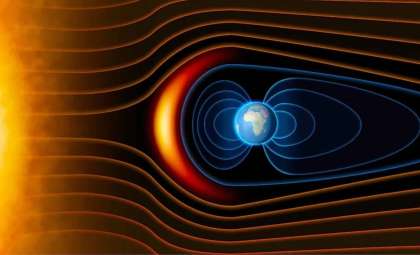
This finding challenges established models of plasma wave and magnetic field interactions within the magnetotail, an area stretching millions of miles beyond Earth. Scientists anticipate these observations will contribute to a deeper comprehension of cosmic plasma behavior, influencing phenomena from auroras to particle acceleration.
Consequences for Space Weather Monitoring and Exploration
Far from being mere cosmic sounds, chorus waves are integral to space weather processes. They energize electrons to high energies, presenting risks to satellites and human-made systems orbiting Earth. The potential to escalate electron speeds near light speed also highlights their role in generating hazardous radiation relevant to both unmanned missions and human space exploration.
Detecting these plasma waves in an uncharted part of Earth's magnetosphere underscores the necessity for comprehensive research on the interaction between magnetic fields and plasma worldwide. With ambitions for lunar and deeper space expeditions, unraveling how these waves arise and evolve could enable mitigation strategies against their disruptive effects on spacecraft and astronauts.
Broadening Horizons in Space Plasma Physics
Identifying these “cosmic chirps” in such a remote and unexpected stretch of Earth's magnetic field contradicts traditional views on plasma wave propagation. It provokes critical questions about wave behavior amid the stretched magnetic domains of the magnetotail.
Published in Nature, the study directs focus on deciphering the origin of these plasma waves and their influence within vast cosmic plasma systems. This discovery sheds light on magnetic interactions affecting Earth and parallels processes observed near giant planets like Jupiter and Saturn.
By advancing the frontiers of magnetospheric research, NASA’s Magnetospheric Multiscale mission unveils new chapters in our understanding of space plasma physics. These peculiar plasma chirps represent promising leads for future discoveries in the universe’s intricate magnetic symphony.
- Categories:
- News





0 comments
Sign in to Comment