
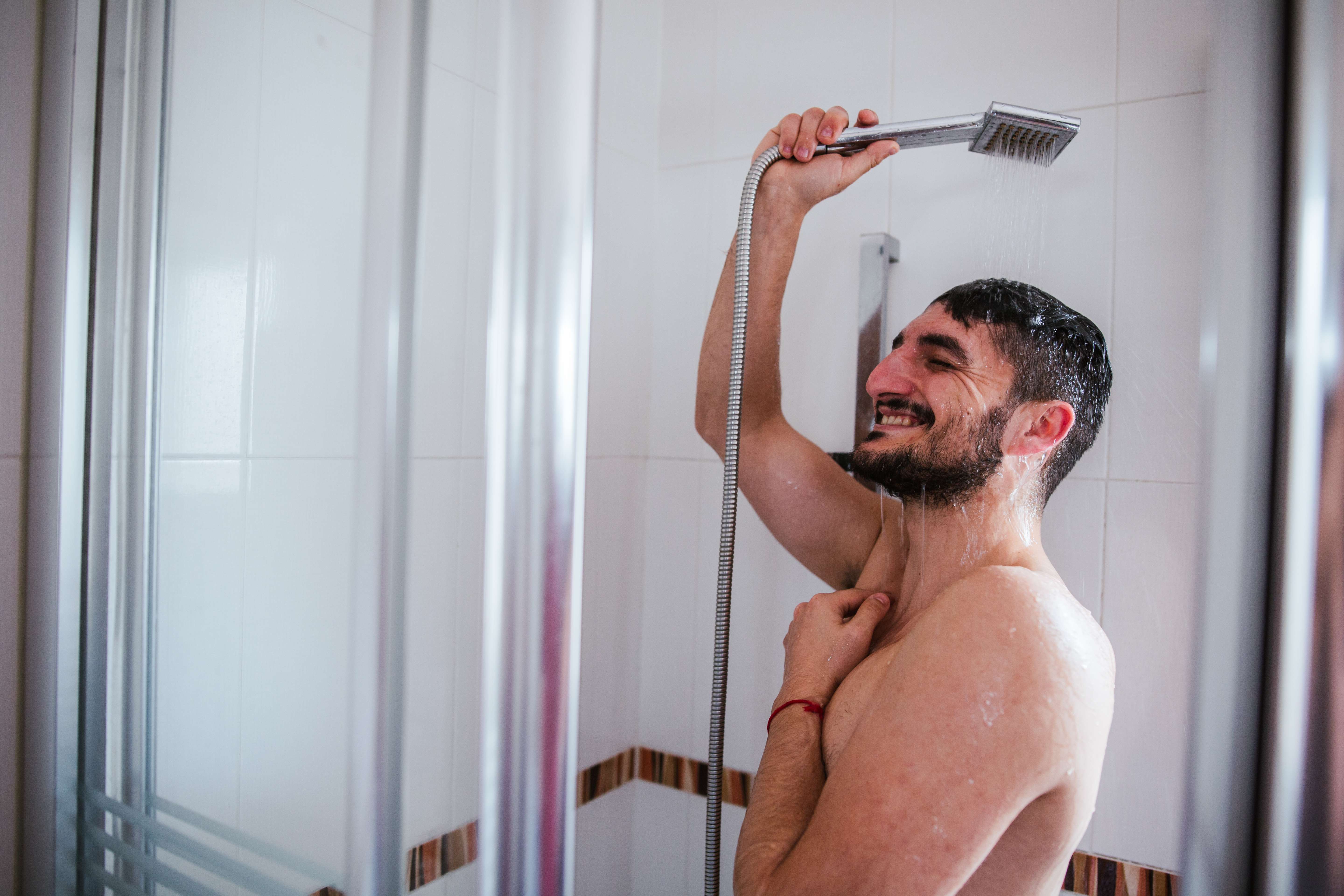
Recent research has uncovered more than 600 viruses inhabiting common bathroom items like toothbrushes and shower heads, including some previously unidentified species. Although this may appear unsettling, it's important to note that most of these microbes pose no threat to human health. The bathroom’s naturally warm and moist atmosphere encourages a diverse range of bacteria, viruses, and fungi to thrive.
Scientists sequenced the microbial DNA from 96 shower heads and 34 toothbrushes, discovering that each serves as a distinctive microbial ecosystem. Notably, toothbrushes hosted the richest array of viruses, surprisingly coming mostly from oral sources rather than toilet contamination as commonly assumed.
The viral populations identified included both well-known and novel bacteriophages—viruses that infect bacteria—playing a pivotal role in controlling the bacterial communities in these bathroom niches.

Common bathroom items: prime locations for microbial buildup
Several everyday bathroom products are especially prone to harboring microorganisms. Below is a list of frequently used items that deserve extra hygiene attention:
- Toothbrushes
- Shower heads
- Bath toys
- Shower curtains
- Bathroom sponges
Shower heads, in particular, have been found to sometimes contain harmful bacteria. One investigation noted that almost 30% of sampled shower heads carried Mycobacterium avium, a bacterium linked to tuberculosis that can cause respiratory, skin, or lymphatic infections, especially in people with weakened immune systems.
Bath toys such as rubber ducks are another source of concern, as studies revealed that 80% of these items tested contained potentially disease-causing bacteria, mainly Pseudomonas aeruginosa, known for causing hospital-acquired infections.
Despite these findings, it's reassuring to remember that staying well-hydrated and practicing good hygiene habits significantly lower the chance of infection.
Effective ways to keep your bathroom hygienic
Although completely sterilizing your bathroom isn't feasible, there are practical measures to limit microbial proliferation and reduce health risks. Consider the following cleaning tips:
ItemRecommended CleaningSuggested FrequencyToothbrushImmerse in boiling water or white vinegar for 30 secondsOnce a weekShower headSoak overnight in a vinegar solutionOnce a monthBath toysWash with hot soapy water and dry completelyWeeklyShower curtainMachine wash using standard detergentMonthlyBathroom spongesMicrowave on high for 60 secondsWeekly
Replacing your toothbrush every three weeks is advisable. Overusing strong disinfectants can contribute to antimicrobial resistance, so moderation is key. Also, ensuring good air flow in the bathroom can help keep microbial populations in check.
Advancing bathroom sanitation through science
Emerging studies are investigating how bacteriophages might be used to target and remove harmful bacteria from household plumbing, potentially transforming bathroom sanitation by leveraging natural microbial dynamics.
As science deepens our knowledge of microbial ecosystems, novel hygiene practices may emerge. For example, recent archaeological research has revealed unexpected impacts of certain substances on human physiology, which could inform future approaches to cleanliness.
Though the abundance of microbes in bathrooms can be surprising, it's vital to recognize that many are benign or even beneficial. By following consistent cleaning routines and fostering a balanced hygiene mindset, you can maintain a healthy and safe bathroom for everyone in your home.
- Categories:
- Health











0 comments
Sign in to Comment