

For centuries, humanity has been captivated by the idea of living forever. Although advances in medicine and enhanced living conditions have boosted how long we live, researchers have debated whether an absolute upper boundary for human life exists. New studies now bring fresh insights into the maximum age people might realistically reach.
The progression of human lifespan
Our perspective on human longevity has shifted dramatically over time. In the 1700s, experts estimated that even a perfectly healthy person could only live up to 100 years, making those who reached that milestone extremely uncommon.
Medical breakthroughs and improvements in nutrition, sanitation, and overall health gradually stretched this limit. The recognized maximum age climbed from around 110 years to 115, and eventually to nearly 120. Key contributors to this growth include:

- Innovations in healthcare and treatment options
- Improved diet and safe water availability
- Better hygiene and clean living environments
- Enhanced knowledge of disease prevention
A landmark moment was reached in 1997 when Jeanne Calment from France turned 122, setting the longest verified human lifespan record and reigniting interest in the ultimate human age limit.
Understanding the boundaries of human endurance
Exploring the biology of aging more closely, scientists have uncovered vital clues about what restricts our lifespan. A notable study published in Nature offered strong evidence pointing to a definitive ceiling on human longevity.
Performed by researchers in Singapore, this investigation analyzed aging trends in populations from the U.S. and the U.K. By evaluating blood markers and activity levels, the team identified resilience—the body's ability to bounce back from illness—as a critical factor in lifespan determination.
The findings showed that with advancing age, resilience steadily decreases:
AgeAverage Recovery Period40 years2 weeks80 years6 weeks90 years8+ weeks
Lead researcher Timothy Pyrkov noted, “Recovery times lengthen and the body spends less time near its optimal physiological state as people age.” He pinpointed the critical threshold at ages between 120 and 150, suggesting this as the absolute upper limit of human life.
Future directions in longevity science
Recognizing this theoretical maximum age has major consequences for aging research. While ongoing medical innovations continue to tackle age-related illnesses, these results imply that extending human life far beyond a natural cap may not be possible.
Nevertheless, enhancing health during older years remains a top priority. Current promising research areas include:
- Breakthrough therapies for chronic diseases like diabetes
- Sophisticated early diagnostic methods for various conditions
- Lifestyle measures, such as adequate hydration
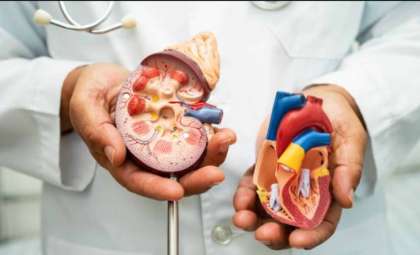
- Dietary strategies, including daily oatmeal benefits for maintaining organ function
Although these developments might not increase the maximum lifespan ceiling, they can significantly enhance life quality and average longevity for many people.
Advancing longevity research in the years ahead
As aging science progresses, researchers are investigating new ways to extend healthy human life. Despite current evidence of an inherent lifespan limit, the hope remains that genuine anti-aging treatments could one day break this barrier.
Future research could include:
- Gene editing to improve cellular repair capabilities
- Nanomedicine targeted at aging processes
- Stem cell therapies that rejuvenate aging tissues
- Artificial intelligence to personalize longevity interventions
While eternal life may still be out of reach, these exciting innovations offer hope for extending our healthy years and possibly pushing past the known lifespan boundaries. Ongoing research continues to unfold new possibilities in understanding and combating aging for future generations.
- Categories:
- Health














0 comments
Sign in to Comment