
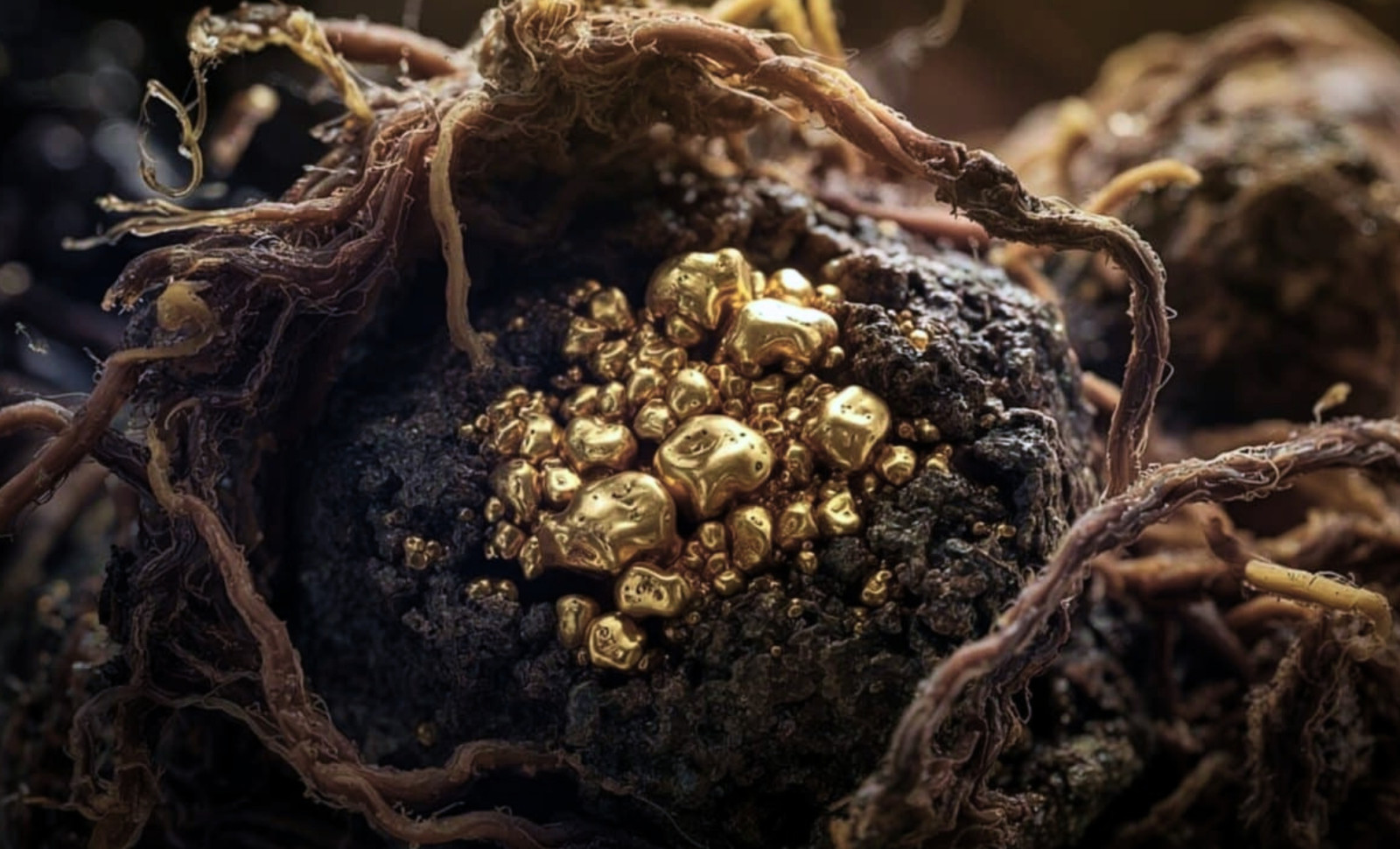
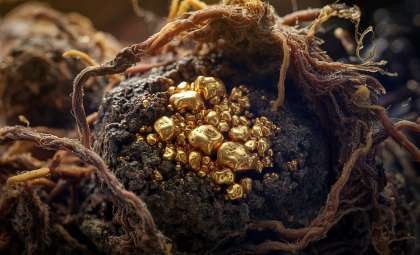
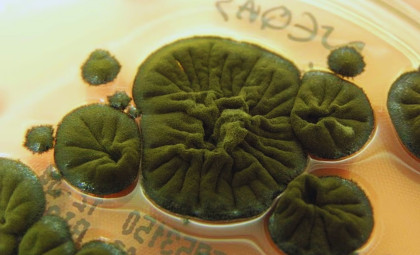
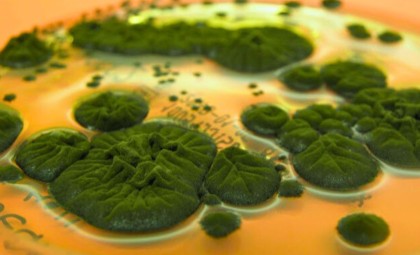
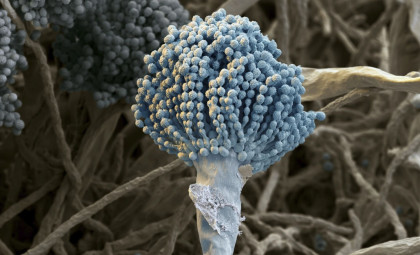
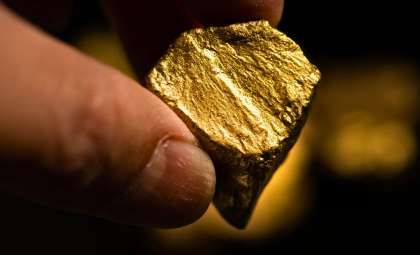
In 2019, experts from Australia’s CSIRO unveiled that a widespread soil fungus, Fusarium oxysporum, possesses the remarkable ability to break down gold particles it encounters and subsequently cover itself with the elite metal. This revelation astonished researchers because gold is typically chemically inert and rarely reacts with living organisms.
These gold-encrusted fungi don't just carry their rare trait—they grow more robust and propagate more rapidly compared to fungi that don’t interact with gold. CSIRO discovered this feature provides a survival advantage by enhancing the fungus’s growth and fostering a richer ecosystem of fungi nearby.
The fungus accomplishes this through a two-part mechanism: it first oxidizes and dissolves gold in its environment, then re-deposits the metal as solid particles that latch onto its filamentous structures. CSIRO’s transcript notes this is the earliest known proof that fungi could play a role in Earth's gold cycling.

An Ordinary Fungus With an Extraordinary Skill
Fusarium oxysporum is a common organism found in soil worldwide, not confined to any particular mine. As noted on Wikipedia, many strains are either harmless or beneficial endophytes and saprophytes, though some act as agricultural plant pathogens. This broad background highlights how surprising it was to observe such a familiar fungus interact unusually with a metal that typically resists chemical transformation.
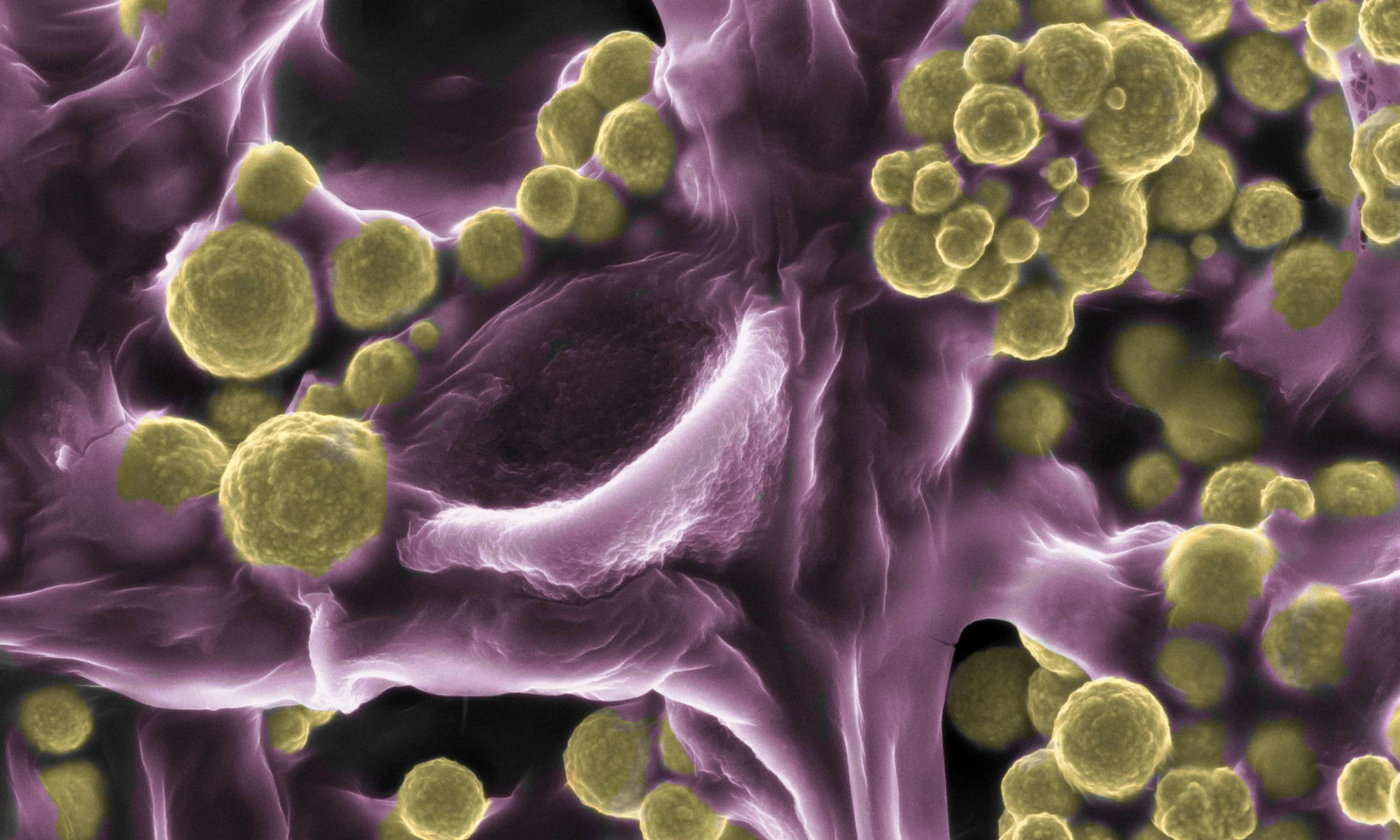
The initial discovery happened in Boddington, Western Australia, a region rich in gold reserves. Dr. Tsing Bohu, the principal investigator of the CSIRO study, described the phenomenon as both “unexpected and striking,” given gold’s usual chemical passivity. The fungus seems capable of converting inert gold into a biological resource.
Why Mining Firms Are Watching This Fungus Closely
Australia ranks as the world’s second-leading gold producer, and mining companies have taken an interest. Rather than cultivating fungi for direct gold harvesting, the objective is to leverage Fusarium oxysporum as a natural indicator for exploration.
By tracking strains of this fungus in soil samples, geologists might pinpoint hidden gold deposits underground. This tactic aligns with prior findings—CSIRO has shown how trees in Western Australia’s Kalgoorlie region concentrate gold in their foliage, and how termites accumulate gold in their mounds. The fungus discovery complements these methods as a surface-based clue pointing toward subterranean riches.
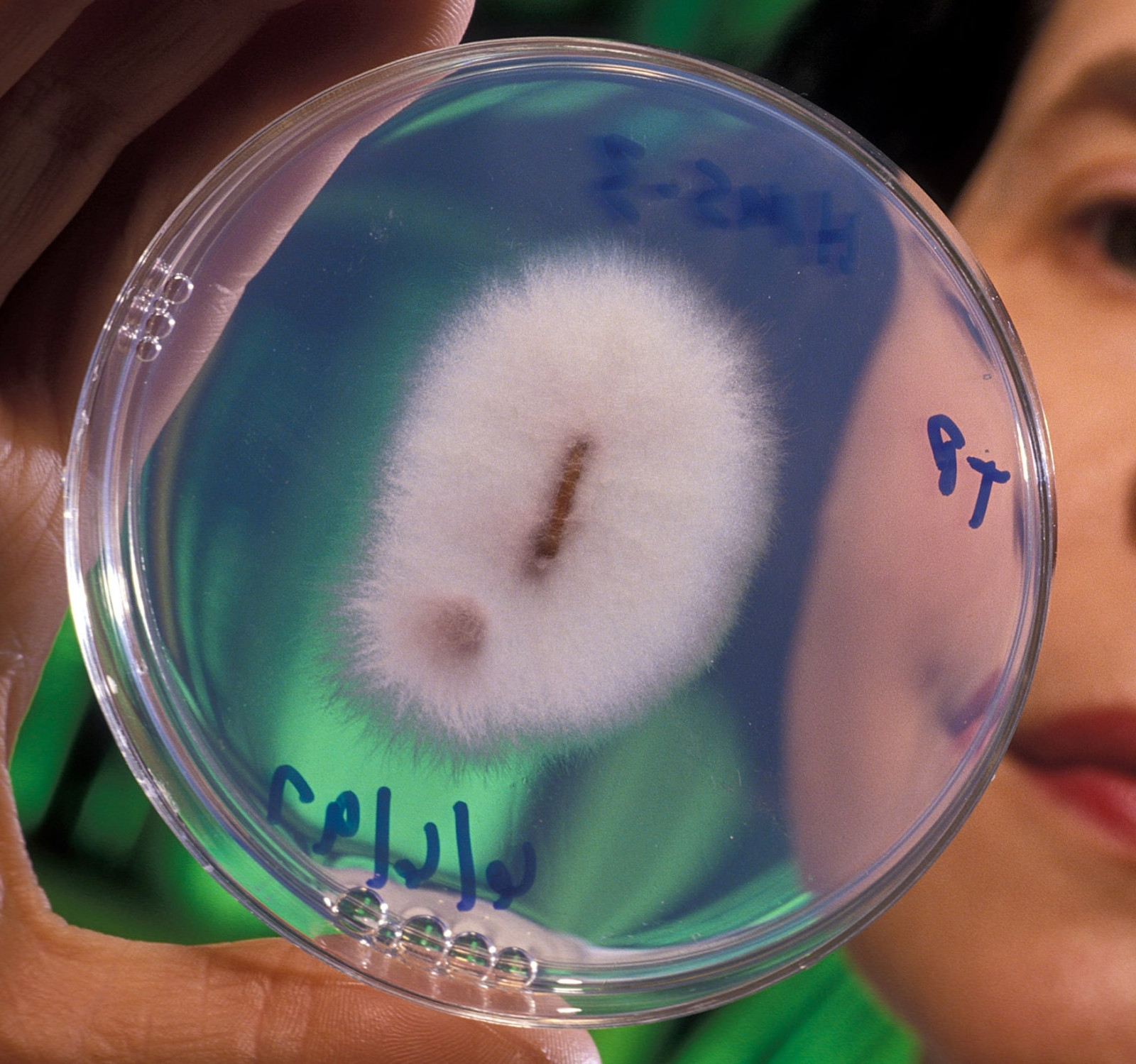
Mining companies find this especially appealing since traditional prospecting can be costly, slow, and damaging to the environment. Employing a biological marker that narrows exploration zones could minimize land disturbance and raise the likelihood of discovering ore deposits. This fungal approach may prove more economical and environmentally friendly than drilling extensive test boreholes.
Extending from Earthly Soil to Outer Space?
One of the more speculative angles gaining traction involves space mining. According to a 2025 piece by Daily Galaxy, some scientists and industry players are exploring the use of microorganisms—including fungi—to process ores in challenging extraterrestrial settings where conventional machinery might be impractical, such as on asteroids and other space bodies. This emerging concept is referred to as metabolic mineralurgy.
However, it's important to clarify the source: the CSIRO transcript itself does not mention asteroid mining or space operations. Instead, it concentrates on gold cycling, resource discovery, and sustainable extraction on Earth. The space mining idea stems mainly from the Daily Galaxy article and represents a possible future application rather than an established CSIRO finding.
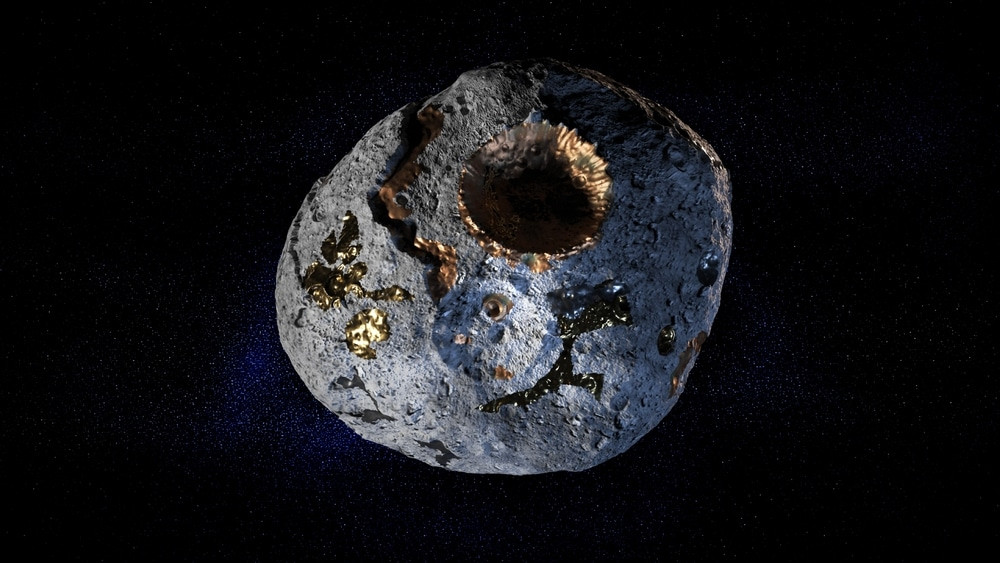
Nonetheless, this concept holds intrigue. A fungus capable of interacting with metals through low-energy, self-organizing processes naturally draws attention in contexts where traditional extraction technology is infeasible. The unique ability of Fusarium oxysporum to engage with gold on Earth might someday be harnessed for space applications, although no missions have yet deployed fungi to asteroids.
The Complex Legacy of a Gold-Eating Fungus
Fusarium oxysporum is far more than a gold prospecting curiosity. It inhabits diverse environments worldwide, from deserts like the Sonoran to frigid Arctic zones. While many strains are benign soil organisms or plant associates, some strains pose serious risks.
Several variants are destructive plant pathogens, causing Fusarium wilt, a disease that affects over 100 crops such as bananas, tomatoes, and melons. It can devastate agricultural yields. The fungus has even been examined as a potential mycoherbicide. In one notable case, Colombia once contemplated deploying a strain to eradicate coca plants under US pressure.
This dual nature demands caution. Any plans to utilize Fusarium oxysporum for mineral prospecting or space mining would require stringent regulation to avoid harmful ecological effects, especially in farming regions.
What Keeps This Strange Discovery Resurfacing?
The discovery continues to capture attention due to the contrast between a familiar soil fungus and gold, a metal known for its chemical inertness. The notion that an ordinary fungus can manipulate and coat itself with gold is so counterintuitive it remains a compelling story in popular science.
Additionally, it aligns with a growing trend in mineral exploration that favors biological detection methods over brute-force excavation. CSIRO’s examples involving trees, termites, and fungi all suggest a future where living organisms provide clues about hidden mineral resources before mining commences.
- Categories:
- Science





0 comments
Sign in to Comment