
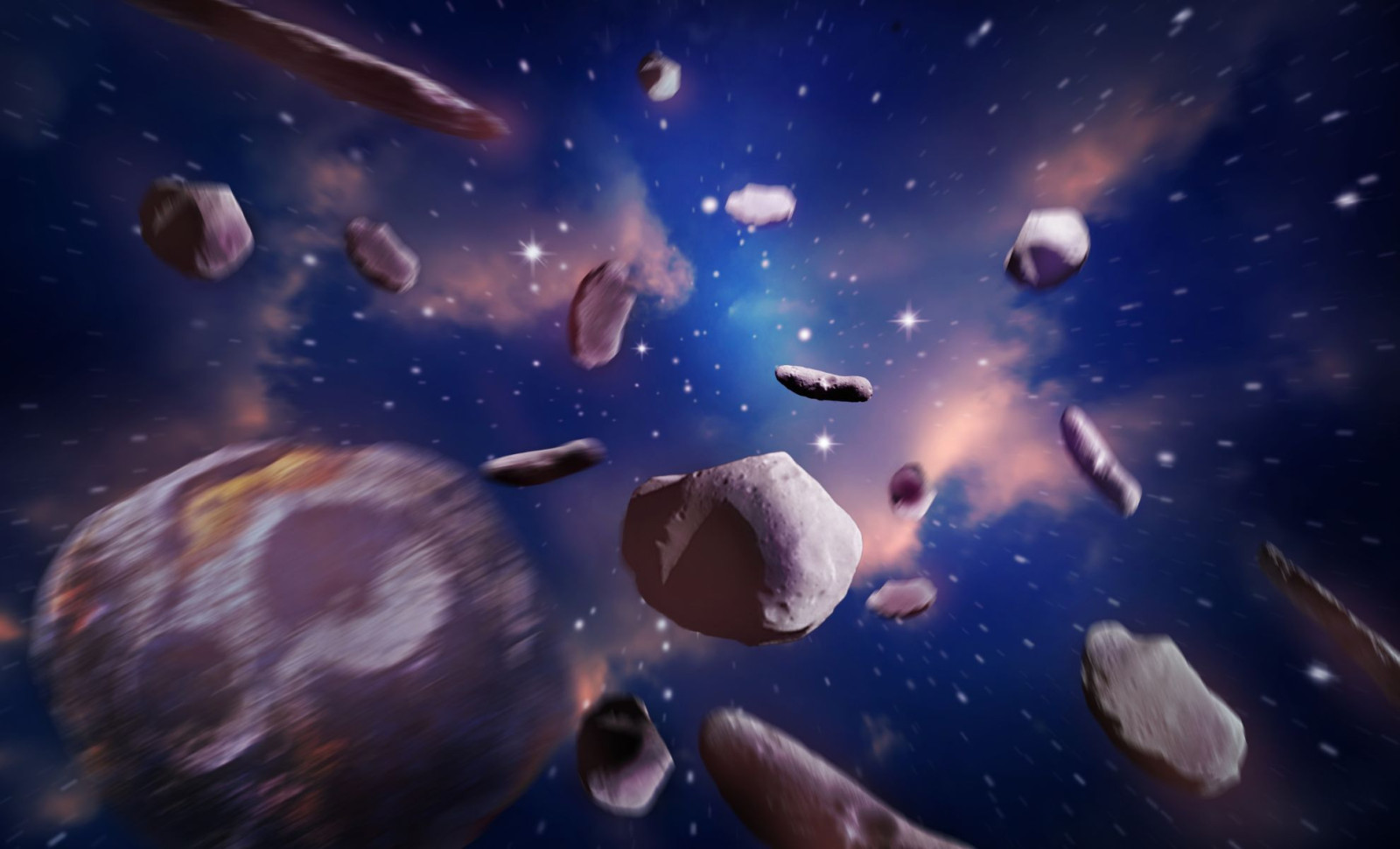
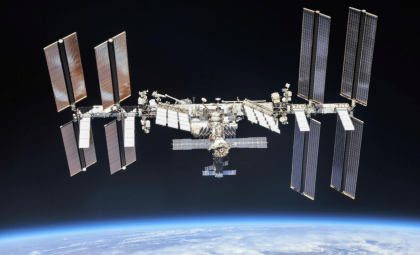
Asteroids and meteorites are rich sources of essential materials, including precious metals vital for establishing space infrastructure. The primary obstacle is devising practical means to harvest these resources off Earth. A recent experiment on the International Space Station shows that microorganisms might offer a solution.
Published in npj Microgravity, the research demonstrates that microbes can efficiently extract metals from meteorite samples even under microgravity conditions. This breakthrough highlights the potential role of biology in sustaining extraterrestrial colonies.
Microbes as a Tool for Space Resource Extraction
Long-duration space missions face significant challenges in obtaining supplies from Earth. Future settlements on the Moon, Mars, or more distant locations will depend heavily on utilizing native materials. Numerous asteroids and rocky celestial bodies harbor abundant metals necessary for construction, production, and life support.

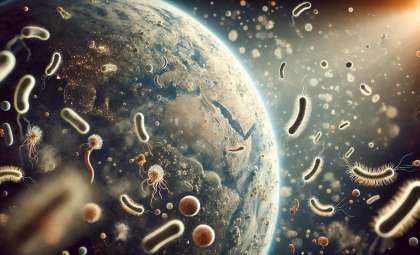
Rather than relying on cumbersome machinery, scientists are exploring biomining, a method where microorganisms chemically extract metals by producing organic acids that break down minerals and liberate valuable elements.
The BioAsteroid Mission Aboard the ISS
In 2020, a team from Cornell University and the University of Edinburgh sent the BioAsteroid experiment to the ISS to test this approach in orbit.
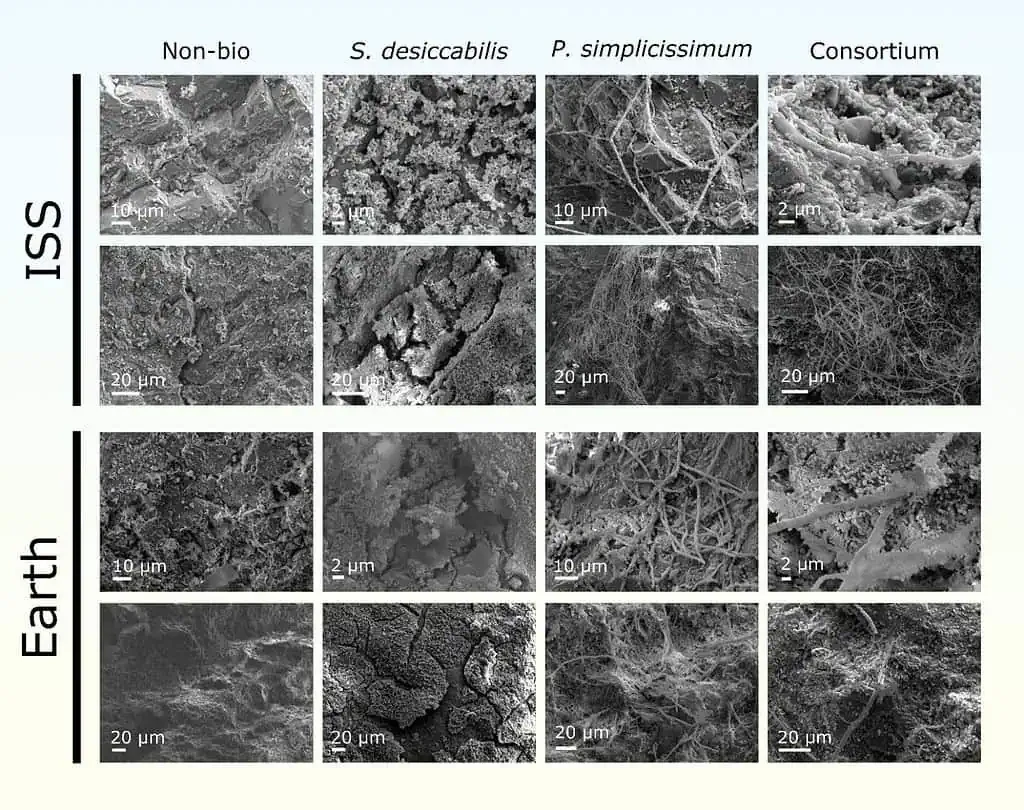
The study, detailed in npj Microgravity, involved placing fragments of an L-chondrite meteorite into sealed chambers with two microbes: the bacterium Sphingomonas desiccabilis and the fungus Penicillium simplicissimum. Over 19 days, these organisms colonized the rocks while astronauts maintained the experiment.
“This is probably the first experiment of its kind on theInternational Space Stationon meteorite,” said Rosa Santomartino, a biological engineer at Cornell and lead author of the study, in a statement.
A comparative experiment was simultaneously conducted on Earth under normal gravity to evaluate differences.
Metals Extracted by Microbes in Space
Once back on Earth, the team measured 44 elements that leached from the meteorite, finding that microbial activity facilitated the release of 18 distinct elements.
The fungus exhibited remarkable behavior in microgravity, producing higher levels of molecules such as carboxylic acids that aid in mineral dissolution. This metabolic shift enhanced extraction of critical metals like palladium and platinum, essential for advanced technologies.
“In these cases, the microbe doesn’t improve the extraction itself, but it’s kind of keeping the extraction at a steady level, regardless of the gravity condition,” Santomartino said.
Chemical extraction without microbes tended to perform worse in zero gravity, while microbial processing stayed consistent. The fungus also developed filamentous structures and formed microscopic colonies directly on the meteorite surfaces.
Practical Applications of Space Biomining
The microbes were housed inside sealed experimental units containing sterilized, crushed meteorite samples. Gas exchange was facilitated by a semipermeable silicone membrane, and liquid nutrients maintained microbial growth.
Beyond just mining metals, microbe-regolith interactions could release essential nutrients such as potassium, phosphorus, and iron, potentially aiding life support systems. The residual material from bioleaching might also help create soil-like substrates for extraterrestrial habitats.
This study extends previous findings that bacteria can extract rare earth elements in space. While Alessandro Stirpe noted limited differences between Earth and space performance, Rosa Santomartino reflected:
“Bacteria and fungi are all so diverse, one to each other, and the space condition is so complex that, at present, you cannot give a single answer,” she noted. “I don’t mean to be too poetic, but to me, this is a little bit the beauty of that. It’s very complex. And I like it.”
- Categories:
- Science



0 comments
Sign in to Comment