
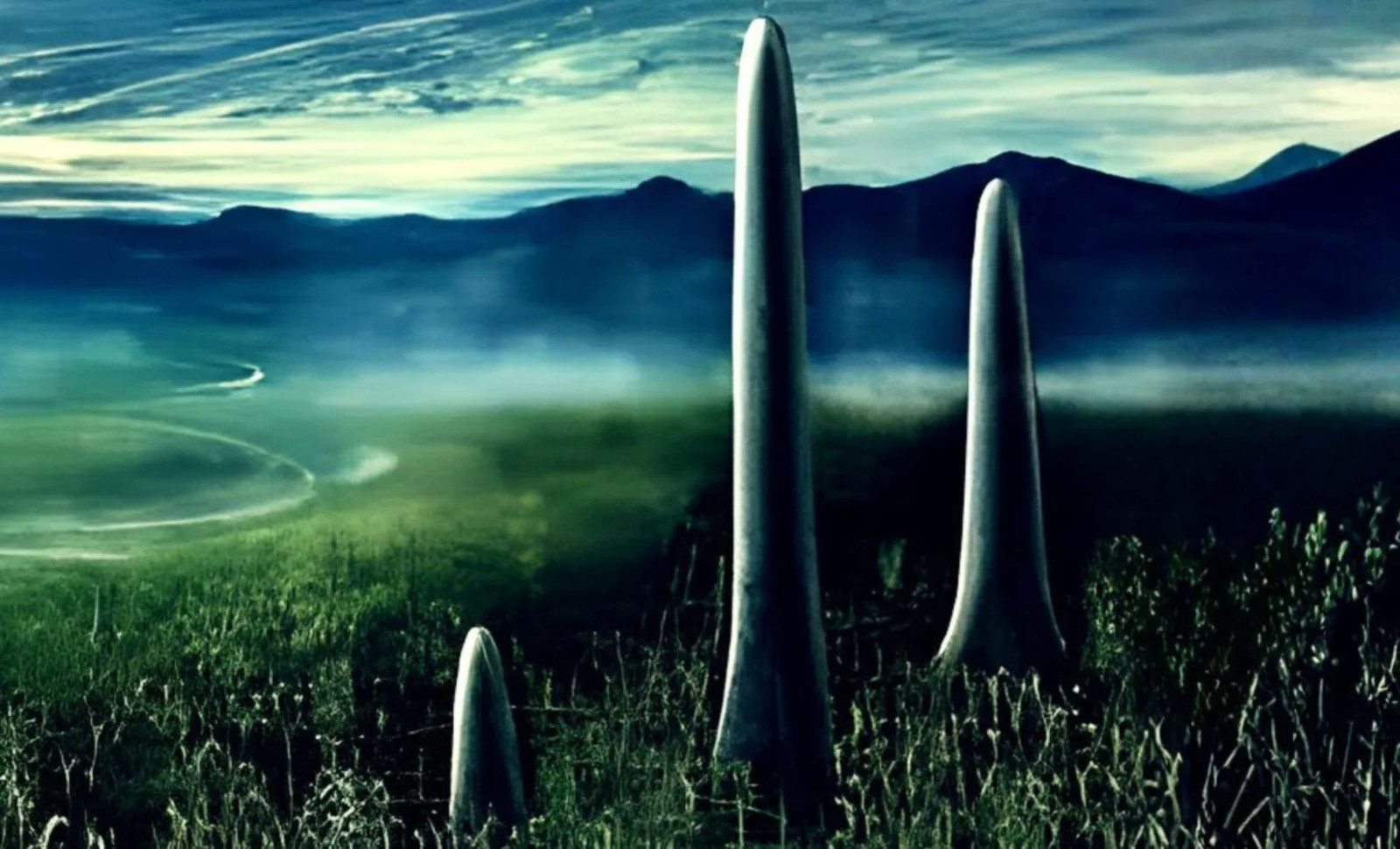
Scientists have uncovered a gigantic 26-foot fossil found in Scotland that represents an unprecedented form of ancient life. This extinct organism, named Prototaxites, does not fit into the typical categories of plant or fungus, instead constituting a unique and extinct branch of Earth’s early life.
This revelation resolves a longstanding debate extending nearly 200 years about the nature of Prototaxites, which existed between 420 and 370 million years ago. Published in Science Advances, the research shows it belongs to a separate eukaryotic lineage that thrived long before complex ecosystems colonized land.
Scientists from the University of Edinburgh and National Museums Scotland examined well-preserved fossil material from the Rhynie chert in Aberdeenshire. Their investigations demonstrated that this colossal organism cannot be classified using modern groups. Instead, it unveils a chapter of early terrestrial life that was completely unfamiliar to scientists.

An Unparalleled Fossil
The discovery dates back to 1843 when the fossil was first unearthed. Canadian paleontologist J. W. Dawson later hypothesized it was a decayed conifer tree. Over the decades, various incorrect classifications were proposed. However, the recent study published in January 2026 has conclusively dismissed these ideas. Lead co-author Sandy Hetherington from National Museums Scotland commented:
“They are life, but not as we now know it, displaying anatomical and chemical characteristics distinct from fungal or plant life, and therefore belonging to an entirely extinct evolutionary branch of life.”
This organism lacked key features such as a leafy canopy, photosynthetic apparatus, mycelial networks beneath the soil, and any evidence of symbiotic partnerships.
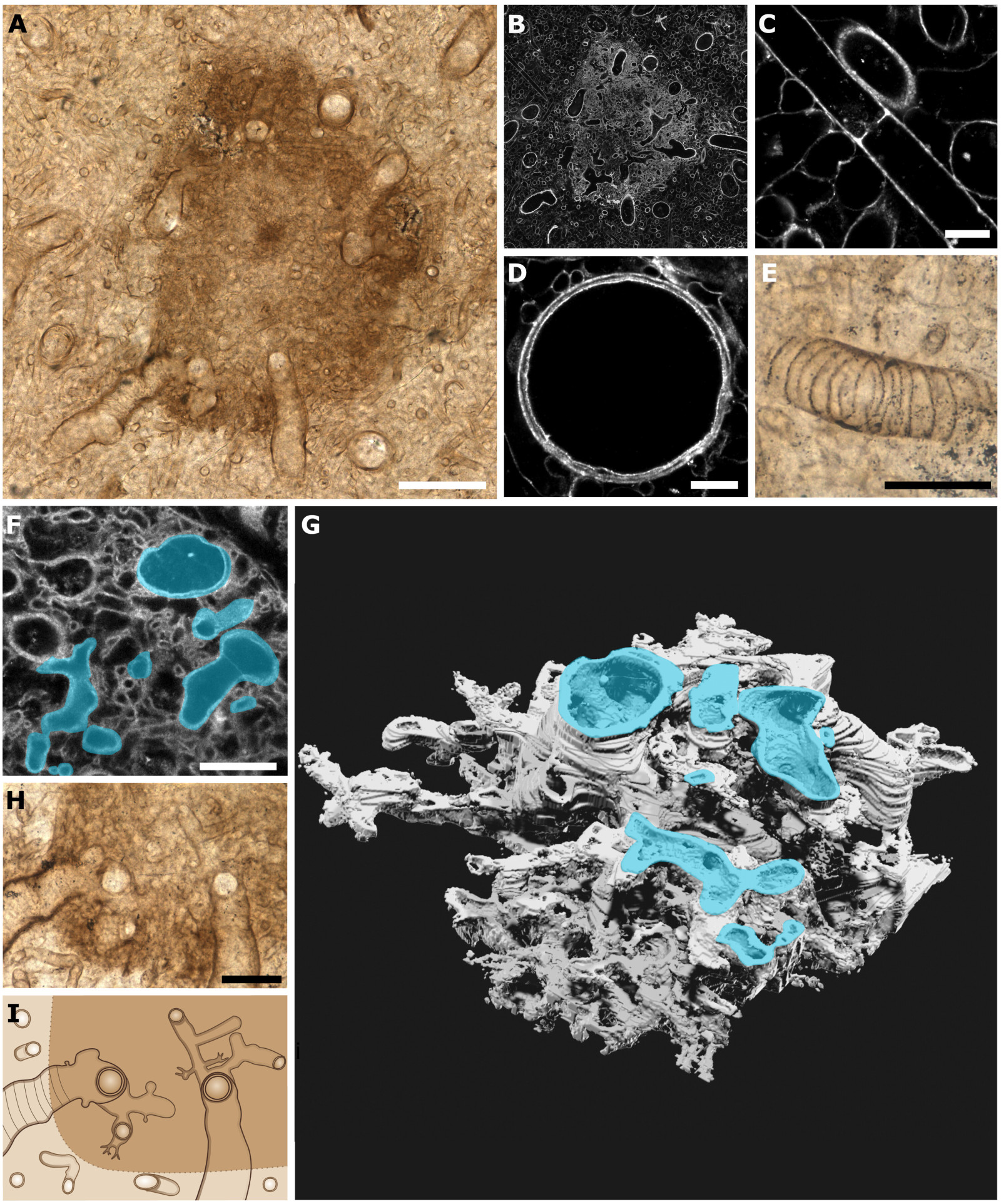
Comprehensive chemical profiling showed that its tissue chemistry neither matched fungi living in the same era nor any known plant systems. The researchers ultimately determined the fossil belongs to an “entirely extinct eukaryotic group,” as Hetherington explained.
The First Giant on Land
At nearly 8 meters in height, Prototaxites dominated the landscape during the late Silurian to Late Devonian periods. At this time, terrestrial life was just beginning to emerge, with primitive plants remaining small and simple, and animal life limited to early arthropods.
In such a sparse environment, this organism was a true anomaly, representing the largest land organism known for millions of years. Co-author and University of Edinburgh doctoral candidate Laura Cooper noted:
“Prototaxites therefore represents an independent experiment that life made in building large, complex organisms, which we can only know about through exceptionally preserved fossils.”
Cooper emphasized that because Prototaxites does not fit within fungi or other groups, it must stem from an evolutionary path that existed independently and eventually became extinct.
Fossilized Remains Preserved in Ancient Sediment
The fossil material comes from the Rhynie chert, an ancient sedimentary deposit dating back around 407 million years. This site is famous for exceptionally preserving early terrestrial life at microscopic levels, enabling detailed study of Prototaxites’s structure and molecular composition.
Previous research ruled out placement within the plant kingdom due to the absence of photosynthetic tissue. The new findings further discount fungal classification by showing a lack of essential fungal features, such as hyphal networks and carbon-processing capabilities.
The team concludes that this organism’s unique characteristics, alongside the absence of any modern equivalent, firmly establish Prototaxites as part of a completely extinct and separate lineage of complex eukaryotic life.
- Categories:
- Science



0 comments
Sign in to Comment