
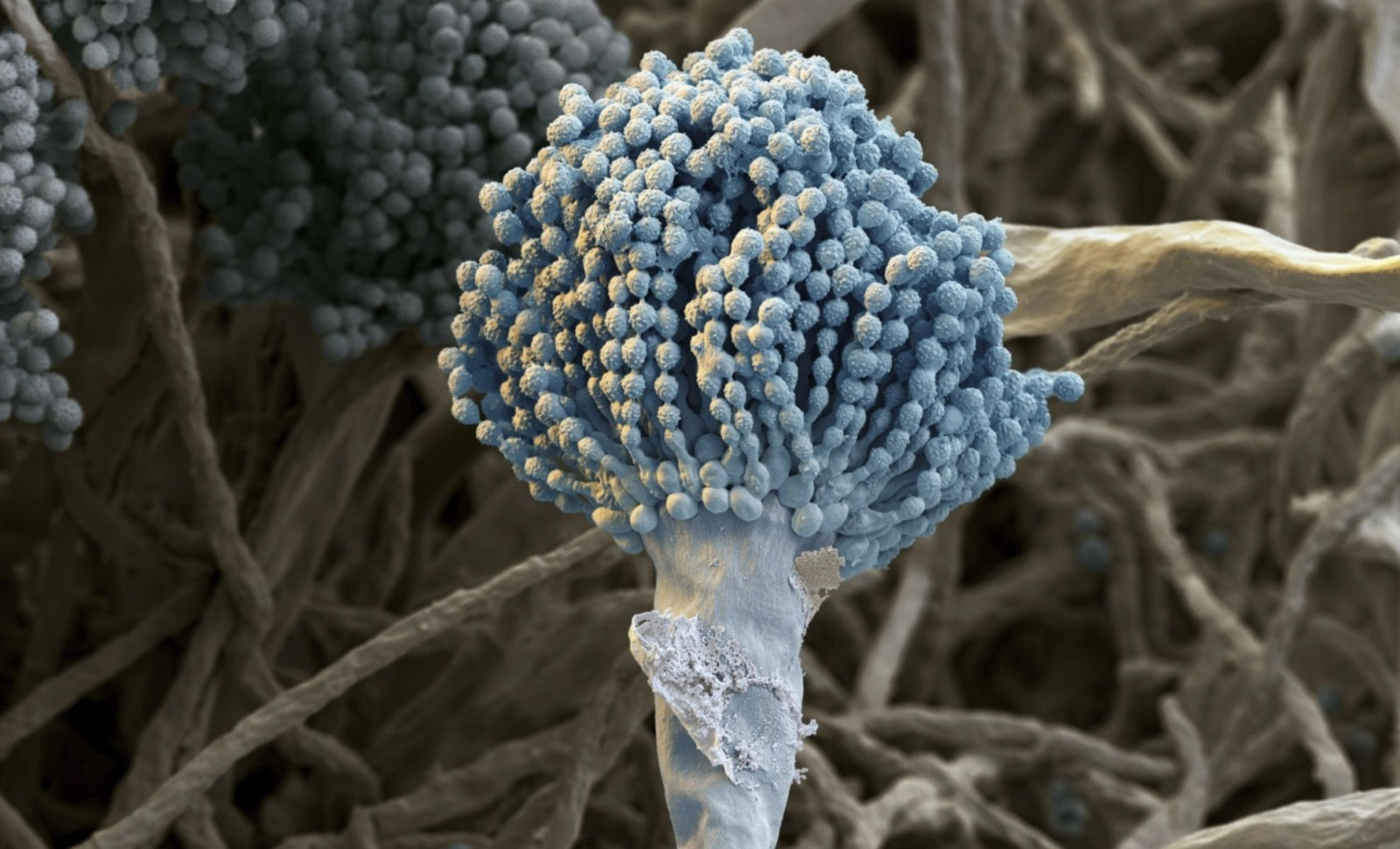
The Aspergillus fungus is experiencing a notable shift in its global range, moving towards higher latitudes. Scientists have observed a clear northward expansion of these airborne fungal spores into areas that previously had climates too cold to support them. This change results in increased exposure to infectious spores in heavily populated zones across Northern Europe and North America.
This redistribution is driven by a steady rise in average yearly temperatures rather than random dispersal. As rising temperatures push these fungi out of their conventional Southern Hemisphere environments, they are colonizing new habitats. These developments often go unnoticed until infections appear within medical facilities.
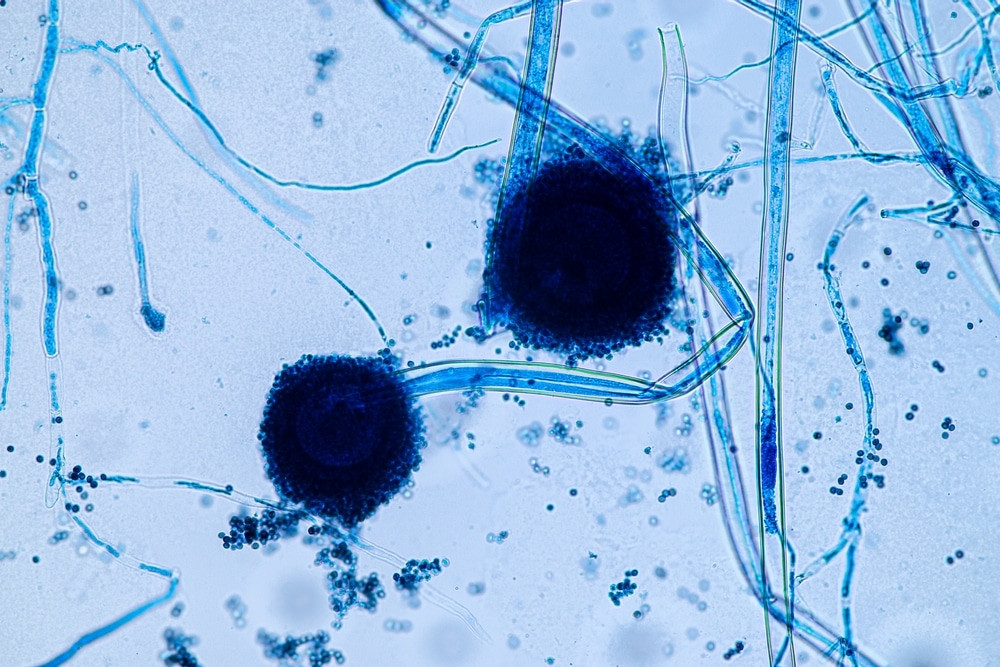
Public health concerns arise from the fungus's environmental resilience. Exposure to antifungal agents commonly used in both agriculture and medicine encourages the survival of resistant Aspergillus strains. These hardy variants pose a greater risk when inhaled by susceptible individuals.

A collaborative study spearheaded by the University of Manchester tracked this fungal migration through 2025. Released in May 2025, the research highlighted that climate change-driven habitat shifts could expose an extra 9 million Europeans to spore inhalation. The study, available as a Research Square preprint, relied on soil metabarcoding to monitor pathogen distribution across Europe.
Europe Faces Increasing Fungal Spore Exposure
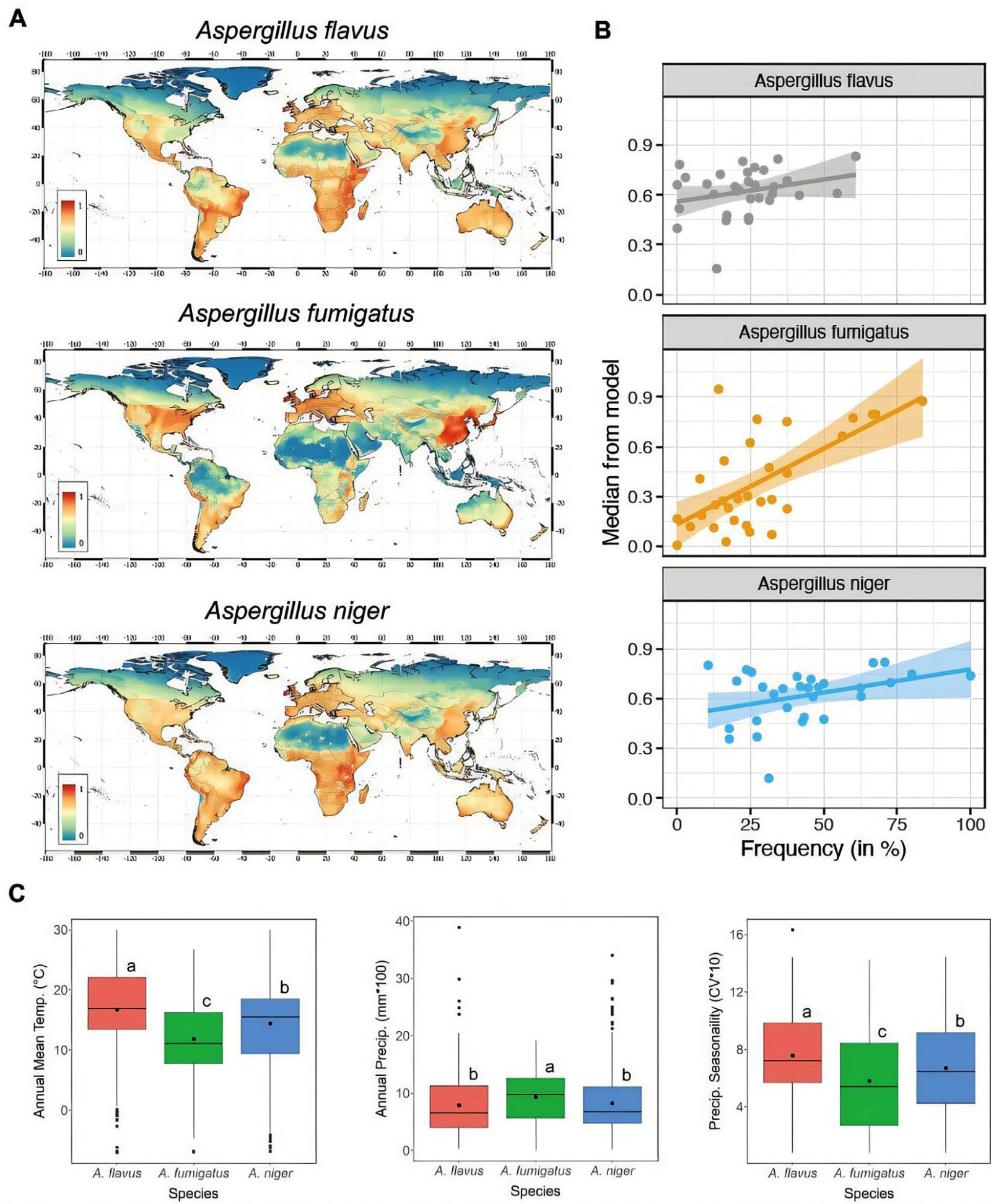
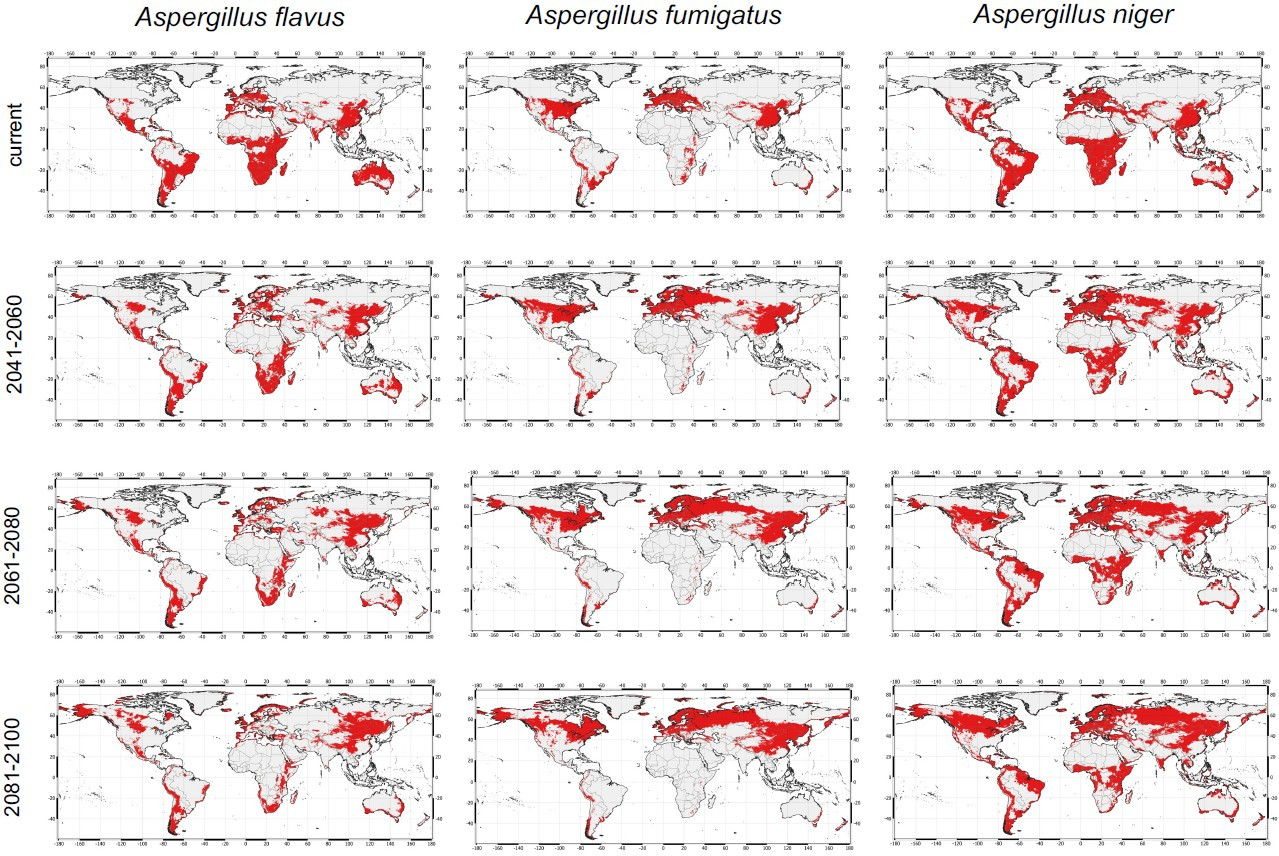
The investigation focused on three key Aspergillus species: Aspergillus fumigatus, Aspergillus flavus, and Aspergillus niger. Projecting under scenarios of elevated greenhouse gas emissions, A. fumigatus is expected to broaden its European range by 77.5%. Currently, close to two billion people worldwide live in environments hospitable to this fungus. It is notably responsible for invasive aspergillosis, a severe condition with high fatality rates among immunocompromised patients.
The research indicates that warming is displacing these fungi from equatorial regions, redirecting their populations northwards. Areas such as Scandinavia and Alaska now represent emerging hotspots. Meanwhile, parts of Africa and South America are becoming inhospitable to A. flavus, which instead spreads into northern Asia, including Russia and China.
This study was conducted in partnership with the Liverpool School of Tropical Medicine and the UK Centre for Ecology & Hydrology with funding from the Wellcome Trust. It utilized the SSP585 warming scenario, anticipating ongoing reliance on fossil fuels through the century.
According to this model, A. flavus habitats in Europe could expand by 16%, placing an additional million people at risk. At present, 905 million live in areas favorable to A. niger, while 846 million are in zones supporting A. flavus.
Implications for Agriculture and Healthcare
Changes in fungal distribution also threaten crop production worldwide. Aspergillus species regularly infest maize and rice, leading to yield loss and contamination with harmful aflatoxins. In the U.S. alone, Aspergillus-related damage to corn crops causes up to $1 billion in annual losses.
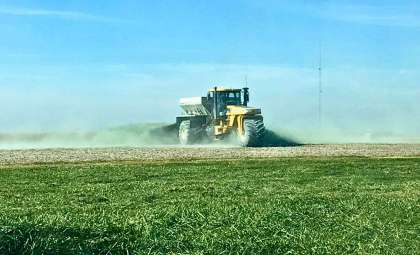
The fungus's expanded range overlaps extensively with agrarian regions where azole-based fungicides are routinely applied to prevent crop decay. Since similar azole compounds are indispensable in treating human fungal infections, this agricultural practice fosters cross-resistance in environmental fungal populations.
Dr. Norman van Rhijn, head of the project at the University of Manchester, emphasized that shifts in humidity and extreme weather events influence fungal habitats, encouraging adaptation and further spread. He stressed that fungal pathogens remain less explored compared to viruses or parasites despite their extensive and growing impact.
Viv Goosens, Research Manager at Wellcome, noted, "Fungal infections pose a significant danger by affecting human health and food security, and climate change is amplifying these threats."
Tracking the Invisible Hazard
The models leveraged global DNA sequencing data from soil samples and employed a Maximum Entropy algorithm. This data was combined with high-resolution human population figures and the CROPGRIDS dataset detailing global crop locations.
The model focused on variables such as temperature, rainfall, and land use, applying the Maximum Test Sensitivity Plus Specificity method to define fungal habitat suitability. Validation used Receiver Operating Characteristic curves to ensure reliability.
Annual average temperature emerged as the dominant factor influencing where Aspergillus can thrive. The spores, typically two to three micrometers, can evade respiratory defenses and infiltrate the lung alveoli. Common sources include compost heaps, which heat internally to over 50°C, creating ideal breeding grounds.
Infection rates observed clinically align closely with the predicted environmental distributions. Among 14 countries examined, areas with higher environmental spore concentrations corresponded with elevated clinical cases, highlighting the link between ecological presence and hospital admissions.
Diagnosing these infections is often slow, requiring advanced imaging like CT scans and polymerase chain reaction tests. This delay permits antifungal-resistant strains to multiply in patients with compromised immune systems or persistent lung diseases.
The study also notes limitations related to microclimate variability. While macro-climatic warming guides the general northward expansion, localized conditions such as dust storms or building construction can trigger temporary infection surges, which the model cannot capture.
- Categories:
- Science









0 comments
Sign in to Comment