
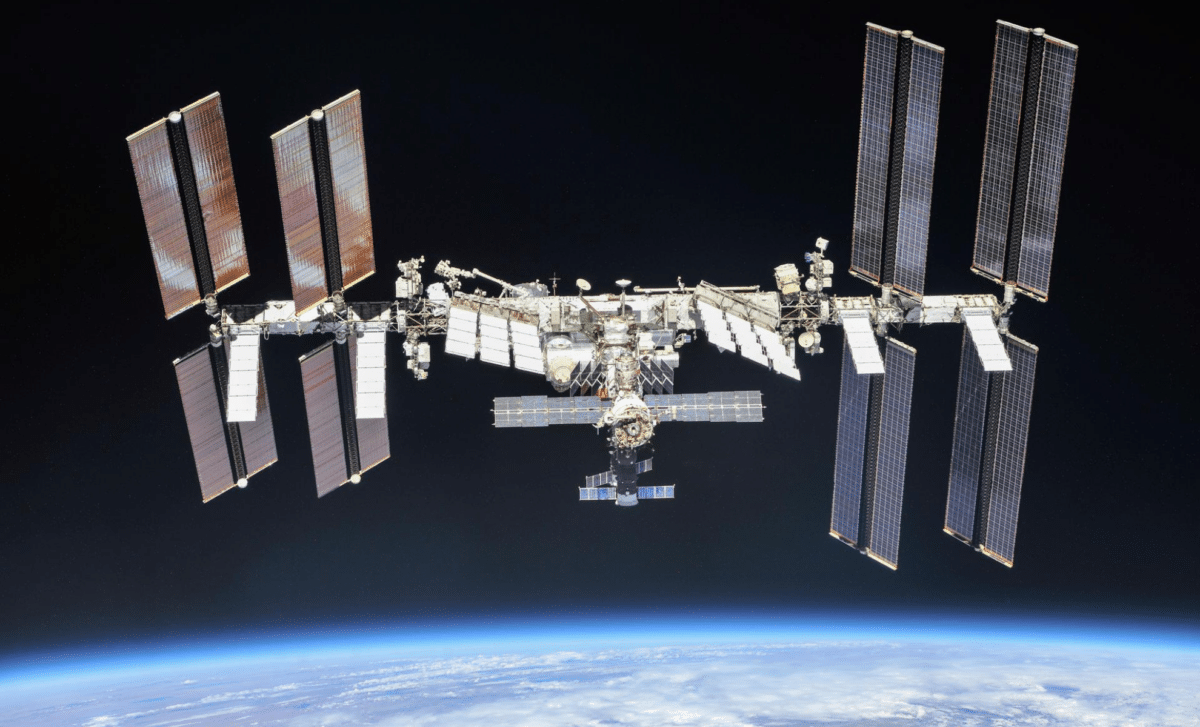
As space exploration extends further into our solar system, unlocking access to asteroid resources remains a formidable challenge. A recent investigation published in npj Microgravity has uncovered innovative insights into utilizing microbes—particularly bacteria and fungi—to extract valuable metals in microgravity. Conducted aboard the International Space Station (ISS), this experiment assessed the capabilities of these organisms to recover metals from asteroid samples in zero gravity, opening new avenues for autonomous space resource utilization where Earth supplies are limited.
Exploring New Methods for Harvesting Space Resources
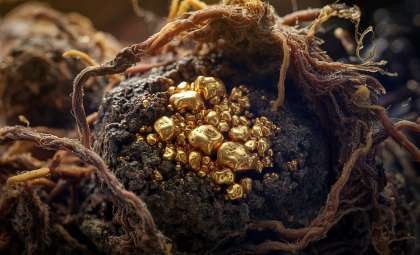
Asteroids have fascinated the scientific community both for their history and their rich deposits of precious metals like platinum and palladium. Traditional mining in space would demand complex, resource-heavy techniques. The BioAsteroid initiative, detailed in a study published in npj Microgravity, investigated a novel, sustainable approach by employing microorganisms to extract these metals.
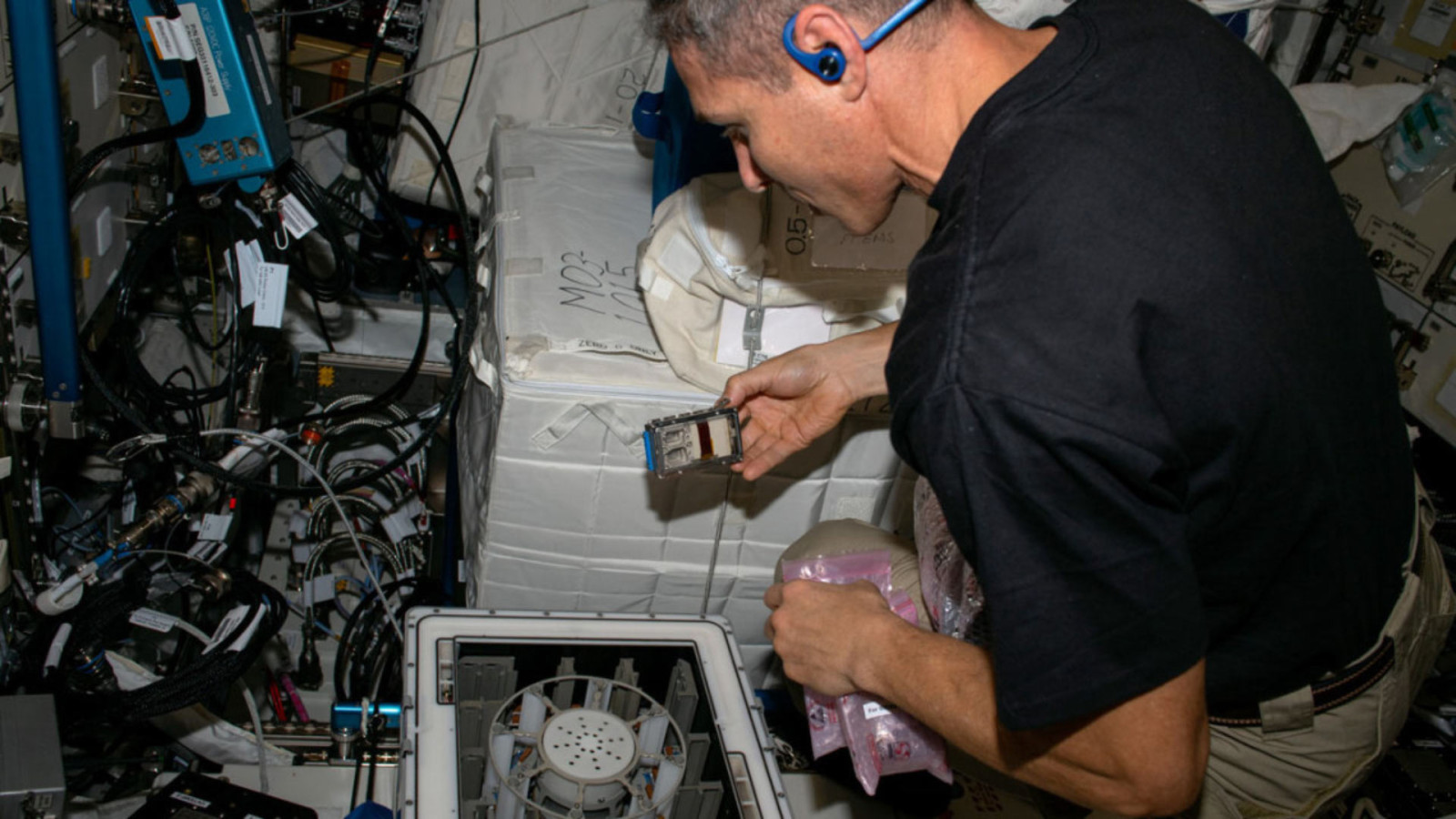
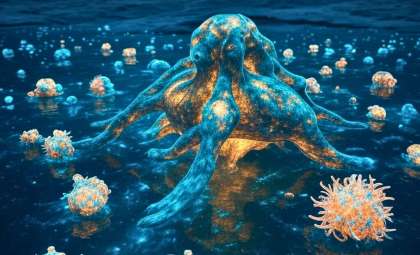
This distinctive study on the ISS involved the bacteria Sphingomonas desiccabilis and the fungus Penicillium simplicissimum as agents for metal extraction from L-chondrite asteroid fragments.

“This is probably the first experiment of its kind on the International Space Station on meteorite,” said Dr. Rosa Santomartino, a researcher at Cornell University and the University of Edinburgh.
The Impact of Microgravity on Microbial Activity
A major focus of the BioAsteroid project was understanding how microgravity affects microbial processes. Gravity influences numerous biological responses on Earth, including fluid dynamics and microbial-material interactions. The near absence of gravity in space could significantly alter these behaviors, which the research team sought to investigate. "Our goal was to design an approach that remains broadly applicable beyond this specific test," Santomartino stated, highlighting the experiment's wider relevance.
The team exposed microbes to asteroid dust, composed of L-chondrite material, under both space-based microgravity and Earth gravity conditions. According to Santomartino, “Both species target different metals and operate uniquely,” which provided insights into how microbial extraction varies with organism type and gravitational environment. The researchers not only measured metal quantities extracted but also examined the underlying biological mechanisms.
Unexpected Outcomes in Microbial Metal Recovery
The study unveiled surprising patterns in how the microbes performed, showing that metal extraction efficiency differed by element and environmental conditions.
“We split the analysis to the single element, and we started to ask, OK, does the extraction behave differently in space compared to Earth?” said Dr. Alessandro Stirpe, also from Cornell and the University of Edinburgh.
Extraction varied unpredictably, with differences attributable to the microbial species involved and the gravity conditions. Notably, microbes enhanced the recovery of elements like palladium, platinum, among others, compared to non-biological methods. Conversely, abiotic leaching under microgravity was less effective than on Earth. Dr. Santomartino remarked, “While microbes didn’t always boost extraction rates, they helped maintain consistent extraction regardless of gravity.” This finding points to microbes as a stable and potentially more dependable tool for mining in challenging extraterrestrial environments.
Advancing Towards Practical Microbial Space Mining
Although these results are promising, they prompt further investigation into deploying microbes for extensive resource recovery beyond Earth. The ability to extract 44 elements, including 18 biologically sourced, marks microbial mining as a powerful future method. Yet, differences in metal extraction depending on microbial type underline the need for optimization.
Dr. Stirpe emphasized a vital question: “Is extraction enhanced when using bacteria, fungi, or a combination of both?” Answering this will be crucial in refining microbial approaches for distinct asteroidal materials in upcoming missions.
- Categories:
- Science





0 comments
Sign in to Comment