
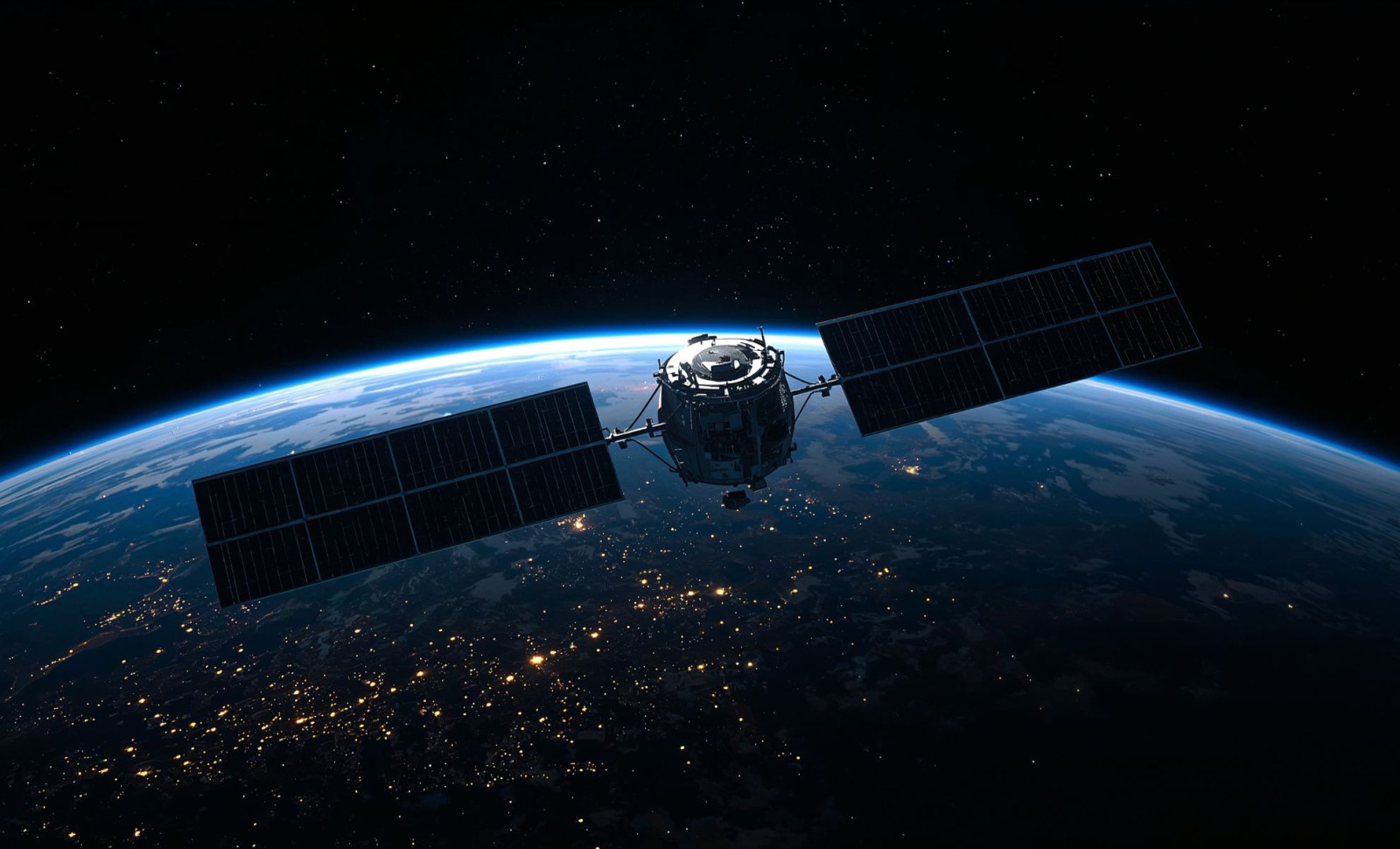
Over a decade after its launch, the European Space Agency’s (ESA) Sentinel-2A satellite has surpassed its original mission by capturing images of Earth during nighttime. Initially designed for daylight observation, this veteran satellite has now been tested to record scenes under the cover of darkness.
In a deliberate and innovative test, ESA specialists switched on Sentinel-2A’s optical sensor as it passed over Earth’s shadowed regions. The outcome was unexpectedly positive, revealing the satellite’s untapped potential beyond its daytime functions.
Sentinel-2A’s Nighttime Imaging Breakthrough
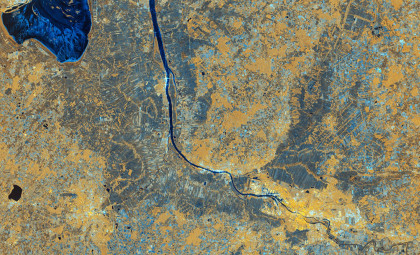
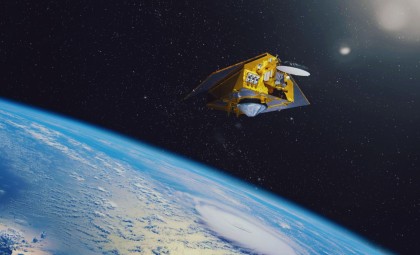
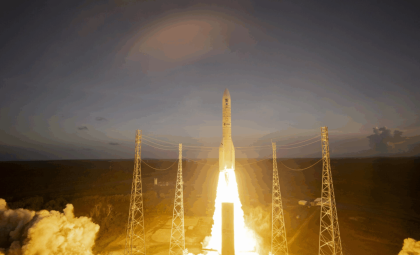
Launched in 2015, ESA’s pioneering orbiter serves as the first in the Copernicus program constellation, Europe’s premier Earth monitoring system. Featuring a multispectral imager with 13 bands and a broad 290 km coverage per pass, Sentinel-2A has consistently provided detailed images for land use, forestry, agriculture, and coastal studies over many years.

ESA's official report clarifies that the satellite was never intended for nocturnal data collection. Optical systems such as Sentinel-2 depend on sunlight reflecting from the Earth’s surface, typically deactivating their sensors when flying over the night side of the globe.
In this experimental activation during nighttime orbits, ESA engineers sought to explore new capabilities, and the results were encouraging.
Remarkable Nighttime Observations
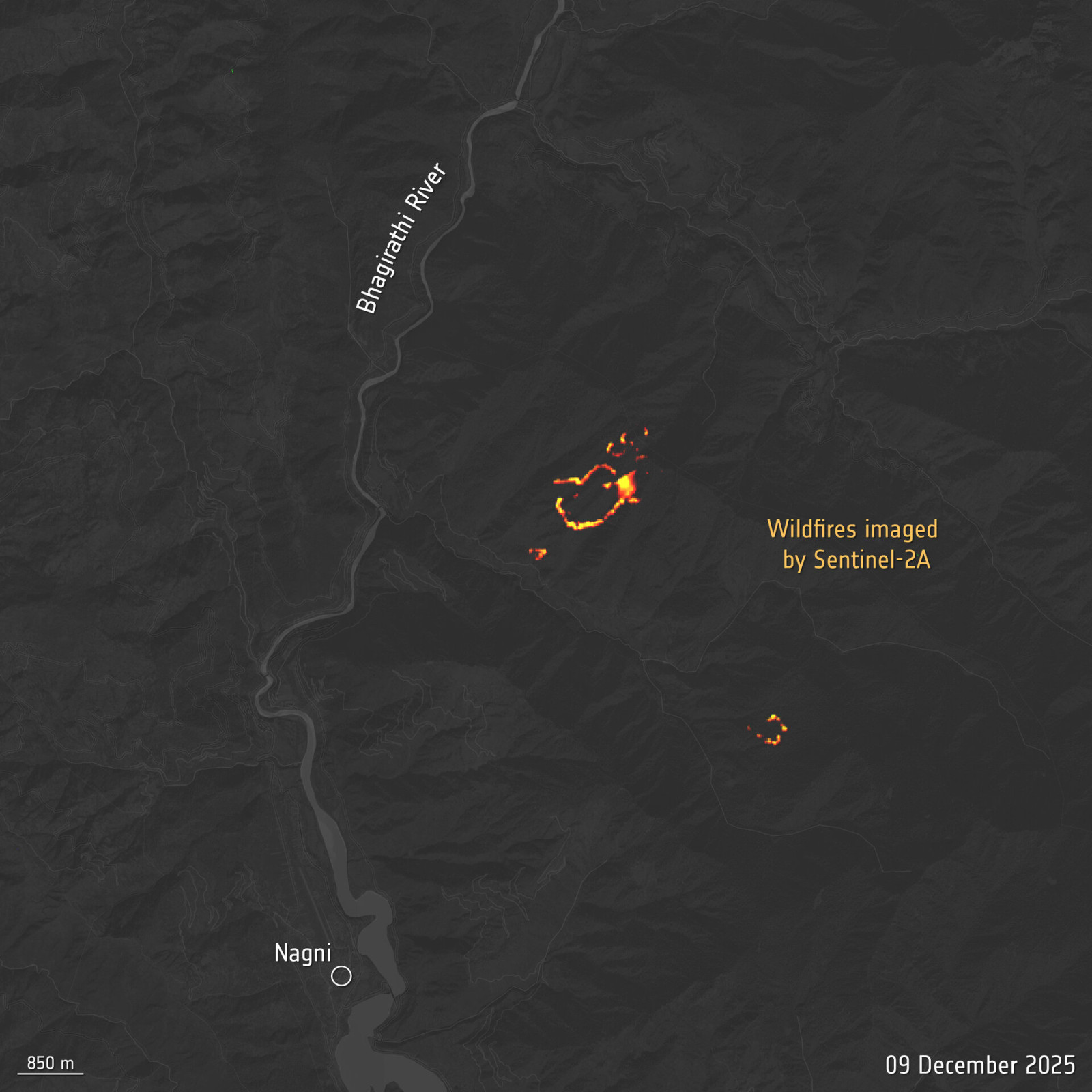
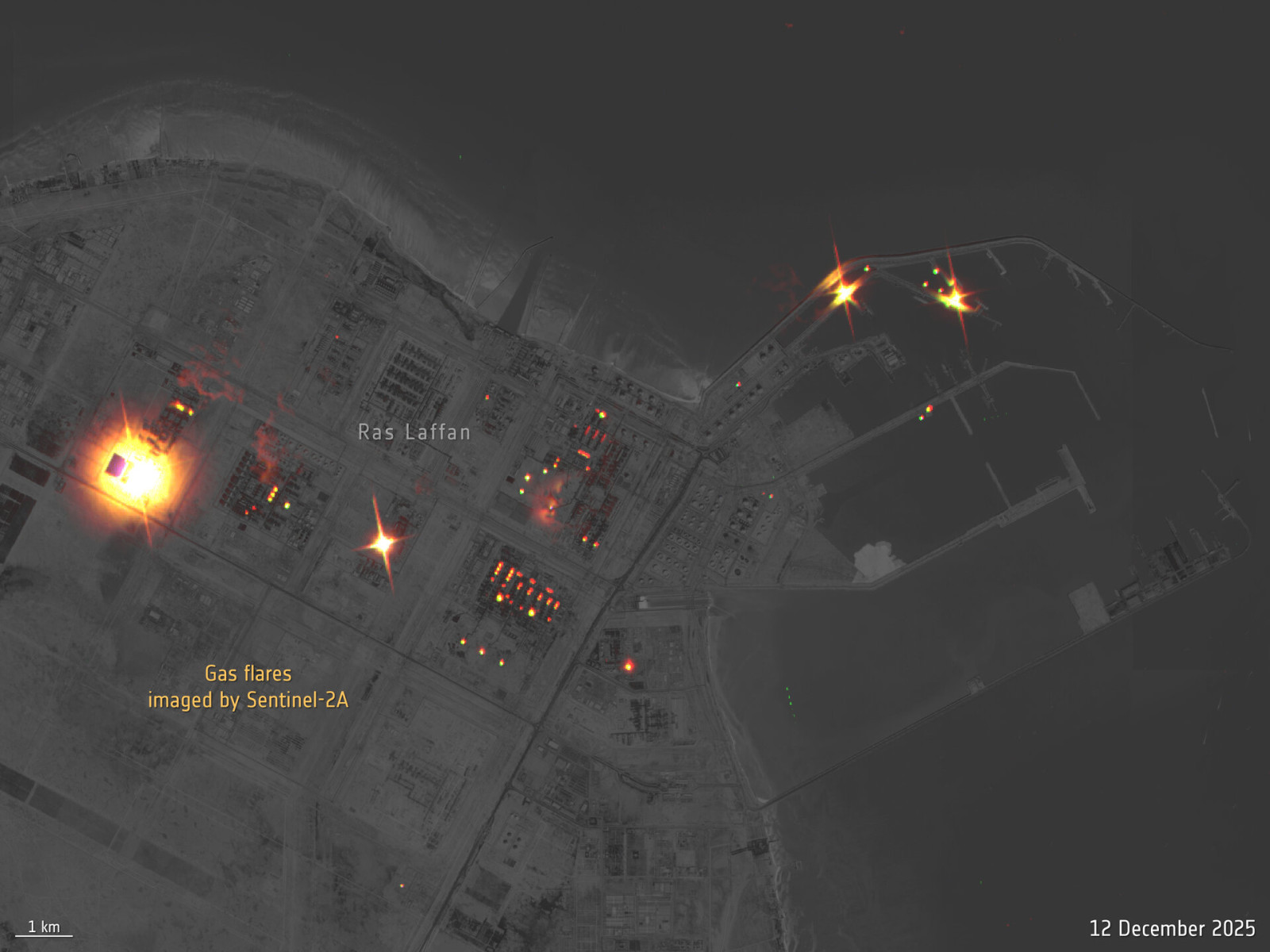
The experiment yielded images surpassing initial hopes. Locations such as fishing vessels near South Korea, gas flares across Iraq and Qatar, and an active wildfire in India were recorded with impressive detail, delighting the scientific team involved.
“We are extremely pleased with these results,” said Simon Proud, Sentinel-2 Next-Generation Mission Scientist. He explained that “not only has Sentinel-2A been able to capture images of gas flares from oil production in the Middle East, which are of course pretty bright, but also more subtle characteristics such as a wildfire in India and fishing boats off the coast of South Korea – all during the night-time.”
Simon Proud notes that the findings will help shape the design specifications of upcoming satellites aimed specifically at nighttime Earth observation. This work is crucial for monitoring city lighting, industrial operations, and maritime activities occurring after dusk.
Advancing the Sentinel-2 Mission
The current Sentinel-2 fleet consists of three operational satellites: Sentinel-2A, Sentinel-2B launched in 2017, and Sentinel-2C launched in 2024, with a fourth, Sentinel-2D, in the pipeline. These satellites are usually spaced 180 degrees apart for thorough global coverage. As Sentinel-2A nears retirement, it is now fulfilling a vital role by supporting experimental testing to inform future satellite missions.
“This experiment was carefully prepared by the mission teams, and it has naturally put strain on the satellite,” said Ferran Gascon, Sentinel-2 Mission Manager.
- Categories:
- Space





0 comments
Sign in to Comment