
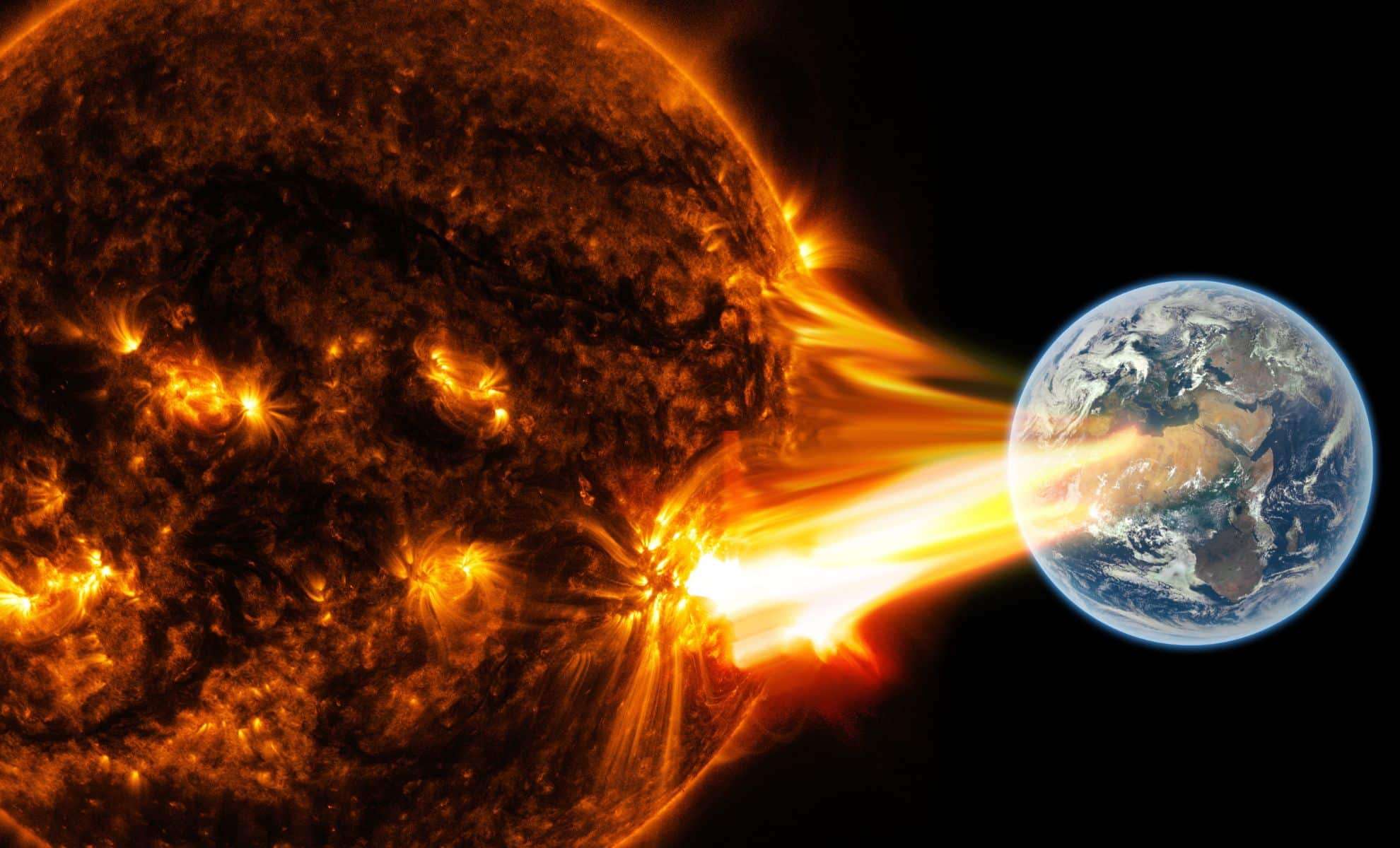
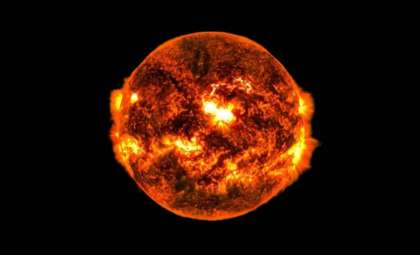
Scientists have achieved a significant milestone by predicting a severe solar storm more than 15 hours before it struck Earth. The groundbreaking results, detailed on arXiv, came from data collected by the European Space Agency’s Solar Orbiter spacecraft, which recorded real-time magnetic measurements of a coronal mass ejection (CME) en route to our planet.
The Intricate Solar-Earth Interaction
Coronal mass ejections, or CMEs, are intense bursts of plasma expelled by the Sun. When these energetic clouds reach Earth, they can interfere with satellites, communications, and power systems. Despite continuous monitoring through satellites and telescopes, accurately forecasting which CMEs will impact Earth remains a major scientific challenge.
A key obstacle is determining the magnetic field orientation inside a CME. This hidden aspect dictates how the storm will interact with Earth's magnetosphere. Without this information ahead of time, alerts tend to be less effective or arrive too late for protective measures.

Solar Orbiter’s Strategic Positioning
On August 1, 2023, the Solar Orbiter was perfectly situated between the Sun and Earth to monitor an incoming CME. Though the mission primarily focuses on close-up solar studies, its unique vantage point allowed it to intercept magnetic field data from a CME traveling toward Earth.
According to New Scientist, this advance data enabled scientists to predict the storm’s arrival over half a day before its impact, setting a new standard for lead time in solar storm warnings.
This extended timeframe offers crucial opportunities to safeguard satellites by placing them into protective modes and to manage electrical grid operations on Earth, signaling a transformative advancement for space weather prediction.
Pioneering Real-Time Space Storm Warnings
Traditional solar storm forecasts rely on detecting CME velocity and trajectory soon after ejection from the Sun, but they often miss crucial magnetic field details. These magnetic configurations are vital for understanding the storm's potential severity but have been difficult to capture promptly.
Solar Orbiter’s real-time magnetic data proves it's possible to evaluate the threat level of CMEs well before arrival. With a network of spacecraft strategically placed in heliocentric orbits or at Lagrange points, a comprehensive early-warning system could be established, significantly strengthening Earth’s defenses against disruptions caused by solar activity.
Space agencies are investigating how to extend this success by deploying constellations of spacecraft that can continuously monitor and provide early alerts about severe solar events.
Preparing for Increased Solar Activity
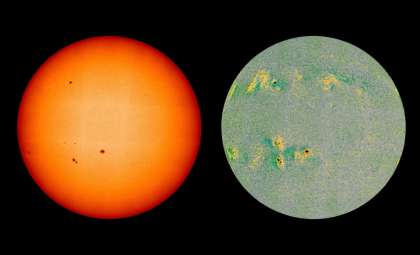
As solar cycle 25 builds toward its peak, the frequency of CMEs, sunspots, and solar flares is rising. This escalating solar volatility makes timely and accurate forecasts more critical than ever.
This remarkable forecast demonstrates the transformative potential of swift data capture and processing. Its impact extends beyond science, affecting satellite navigation, aviation safety, and global financial systems that depend on reliable satellite communications.
- Categories:
- News







0 comments
Sign in to Comment