
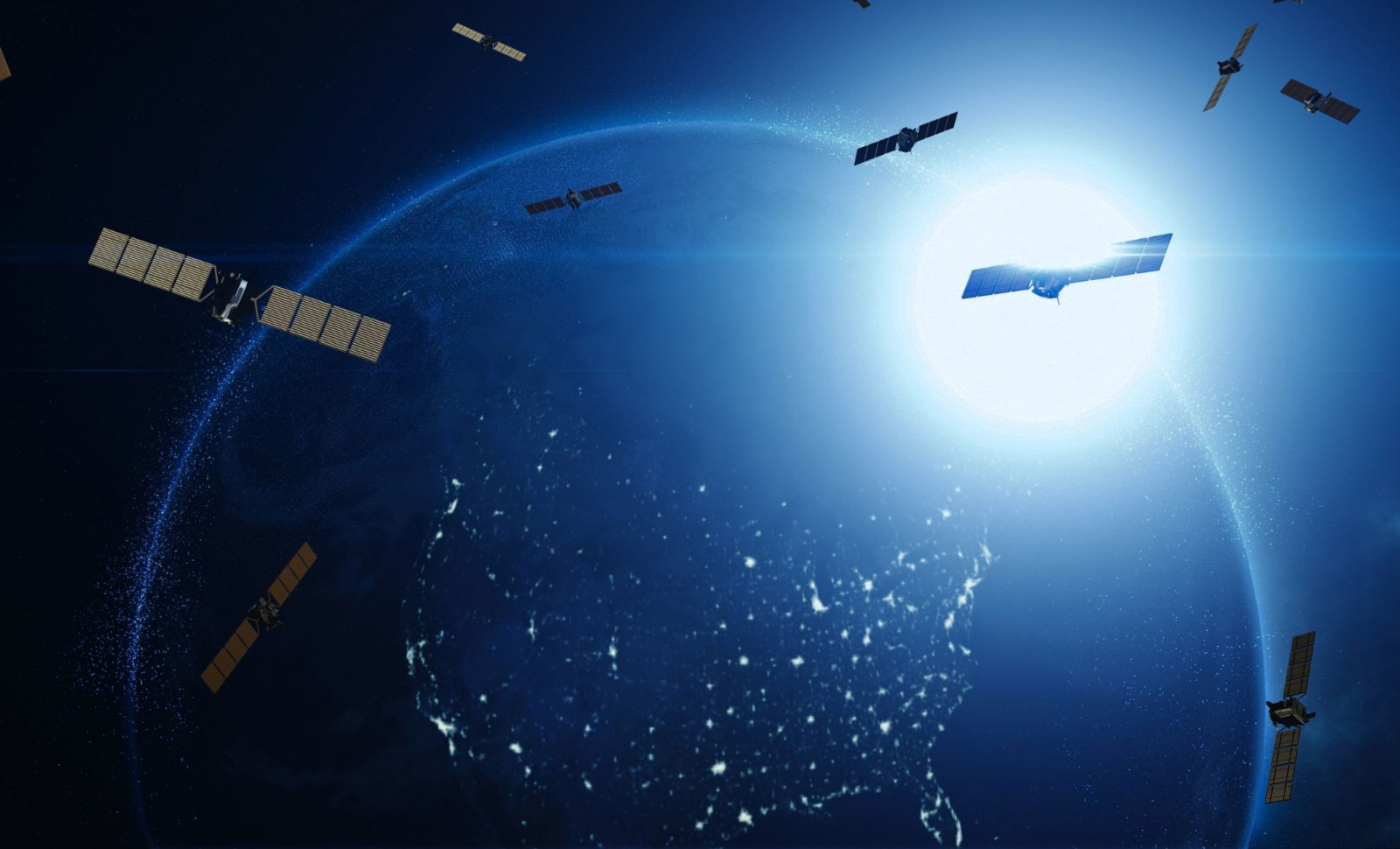
Starcloud, an innovative company developing orbital data centers, is aiming to deploy up to 88,000 satellites. Their filing with the Federal Communications Commission (FCC) seeks authorization for an extensive satellite array poised to deliver advanced AI and other intensive computing services from low Earth orbit.
As artificial intelligence and data-intensive applications expand rapidly on Earth, Starcloud argues that ground-based data centers are reaching their limits. Their orbital approach aims to provide scalable and cost-efficient processing power by circumventing terrestrial infrastructure constraints.
Why Are Data Centers Moving Into Orbit?
Terrestrial data centers are increasingly constrained by space and energy availability. Starcloud’s proposed satellite constellation seeks to relocate data processing to space. According to a technical white paper from Starcloud, their satellites will operate in sun-synchronous orbits, ensuring near-continuous solar power supply.

“These satellites will utilize the unique advantages of space: near-constant solar power, radiative cooling, and the ability to scale sizes and power levels not possible on Earth,” as stated in a formal license application submitted to the U.S. Federal Communications Commission (FCC) .
The core concept is straightforward: relocate data centers beyond Earth’s surface to tap into abundant solar energy. By orchestrating a large constellation of satellites operating collaboratively, Starcloud aims to vastly expand its computational capabilities compared to conventional ground-based centers.

Details on the Satellites and Their Operations
Though some specifics remain under wraps, it's known that these satellites will orbit in narrow bands at altitudes ranging from 600 to 850 kilometers above Earth’s surface. Utilizing sun-synchronous orbits ensures consistent solar exposure for power. Additionally, Starcloud has committed to designing satellites that fully combust upon atmospheric reentry to prevent space debris.
To enhance orbital safety, Starcloud intends to perform initial deployments in lower orbits where defective satellites can safely deorbit. This preemptive strategy minimizes risk and ensures controlled satellite lifecycle management.
Starcloud’s inaugural satellite, Starcloud-1, currently operates with an Nvidia H100 processor and runs a version of Google’s Gemini AI model in orbit. The company anticipates launching Starcloud-2 by 2027, equipped with enhanced technology to support their expanding network.
- Categories:
- News










0 comments
Sign in to Comment