

Following a nearly eight-month mission on the International Space Station (ISS), a NASA astronaut remains hospitalized after returning to Earth.
After safely landing off the coast of Pensacola, Florida, early Friday morning, the crew of four underwent medical assessments at a nearby hospital. While three members were cleared and transported back to NASA’s Johnson Space Center in Houston, one astronaut continues to receive monitoring for an unspecified health concern. NASA stated that the astronaut's condition is stable, noting the extended hospital stay is a “precautionary measure” due to the length and delays encountered during their spaceflight.
Obstacles Causing the Postponed Earth Return
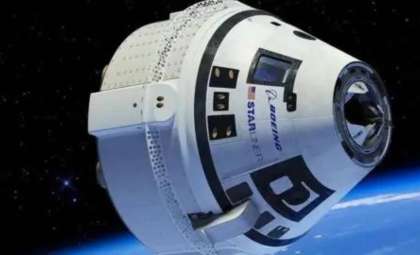
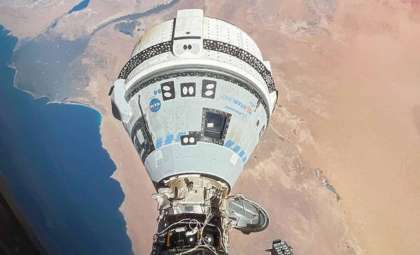
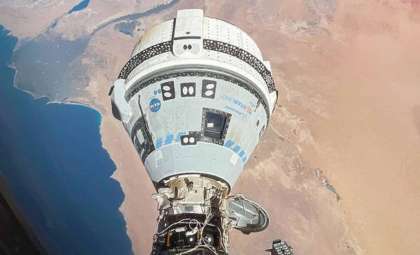
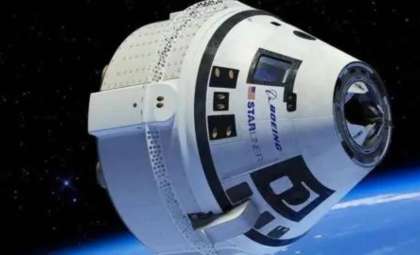
The team, including NASA astronauts Matthew Dominick, Michael Barratt, Jeanette Epps, along with Roscosmos cosmonaut Alexander Grebenkin, originally planned to conclude their mission in August after six months on the ISS. However, their departure was extended following numerous setbacks, primarily technical difficulties with Boeing’s Starliner spacecraft, which was meant to facilitate their return but was forced to abort due to safety issues. Consequently, the crew's homecoming was facilitated by SpaceX’s Dragon capsule. Departure schedules were further impacted by adverse weather, including Hurricane Milton and strong winds that postponed launches.

Upon return, all four astronauts were transported to Ascension Sacred Heart Pensacola for routine postflight medical screenings, part of NASA's protocol for lengthy space missions. NASA highlighted that the decision to hospitalize one astronaut was taken out of “an abundance of caution” but provided no further details in respect of patient privacy. The remaining astronauts were cleared and have returned to Texas, while the hospitalized astronaut’s recovery continues under close medical supervision.
Health Challenges from Prolonged Spaceflight
Long-duration space missions pose significant physiological demands on astronauts. The microgravity environment leads to complications including diminished bone mass, muscle deterioration, and changes in cardiovascular health. Adjusting back to Earth’s gravity often causes symptoms such as lightheadedness, compromised immune responses, and difficulties regulating blood pressure when standing. These challenges intensify after extended space exposure, necessitating ongoing medical care and rehabilitation to support full recovery.
NASA expressed appreciation for the support from the Ascension Sacred Heart medical team. “We’re grateful to Ascension Sacred Heart for its support during this time,” the agency stated, underscoring the importance of prompt medical care following splashdown. The transition from zero gravity to Earth’s environment is strenuous, and NASA’s comprehensive health assessments help to identify and manage any immediate or latent medical risks, ensuring astronauts regain optimal health quickly.
SpaceX and NASA Partnership Driving Continued ISS Operations
This mission underscores SpaceX’s critical contribution to ISS crew rotations amid ongoing challenges with Boeing’s Starliner program. SpaceX’s Dragon capsule has become the principal vehicle transporting astronauts to and from the ISS, successfully accommodating the crew’s safe return despite various delays. The smooth reentry and recovery of Dragon demonstrate the strength of NASA's partnership with commercial aerospace companies, enabling uninterrupted research and station operations.
At the same time, Starliner astronauts Butch Wilmore and Suni Williams, who were originally set for a short ISS stay, will now extend their mission until February alongside a newly arrived crew. This schedule change grants Boeing additional time to address crucial safety and reliability improvements while maintaining operational continuity on the ISS through SpaceX’s ongoing involvement.






0 comments
Sign in to Comment