
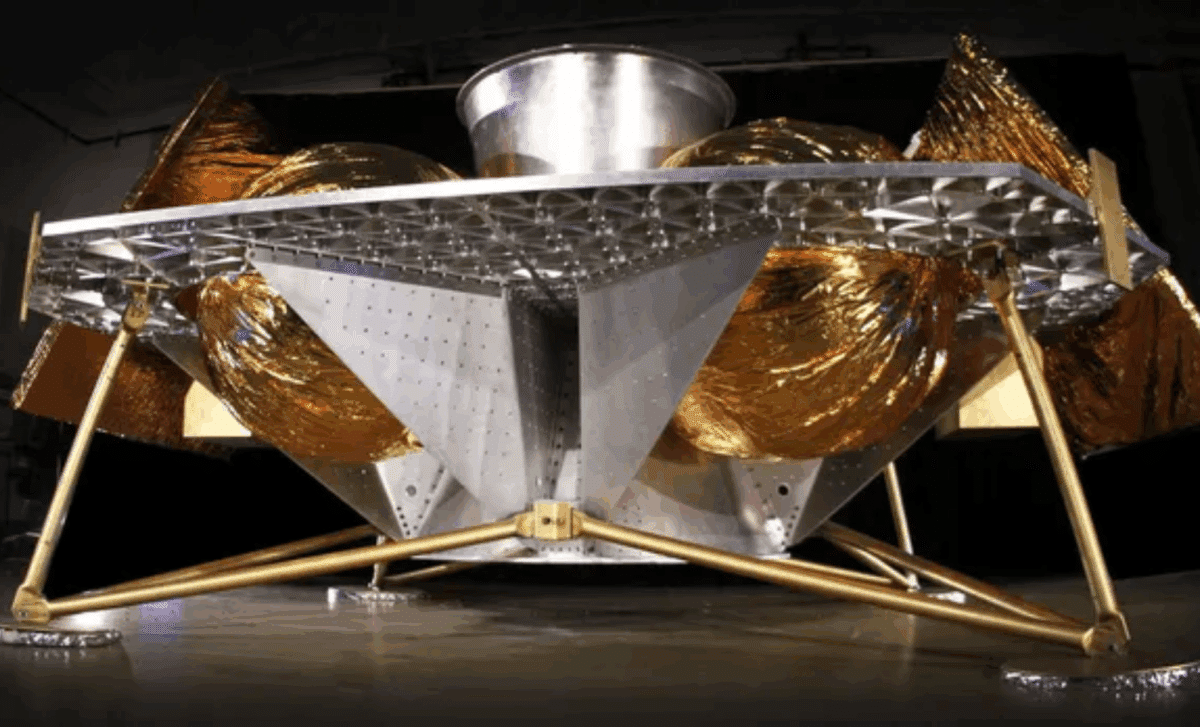
SpaceX's powerful Falcon Heavy rocket is preparing for another landmark journey, tasked with carrying a private lunar lander to the Moon by mid-2026. Spearheaded by Astrobotic, this mission signifies a major milestone in commercial lunar exploration efforts. Although the timeline has shifted from an initial 2025 target, the ambitious Griffin Mission One aims to deliver NASA’s VIPER rover to the Moon’s south pole to investigate water ice deposits. This venture harnesses private sector innovation alongside NASA’s scientific objectives for lunar research.
Driving Lunar Ambitions Through Private Collaboration
The partnership between SpaceX and Astrobotic represents one of the most advanced private initiatives aimed at lunar surface access. This project emerged from NASA’s Commercial Lunar Payload Services (CLPS) program, relying on Falcon Heavy’s heavy-lift capacity to transport Astrobotic’s Griffin lander into lunar orbit. Updates posted on Astrobotic’s Griffin-1 mission page reveal that engineering developments and payload integration have pushed the expected launch date to mid-2026.
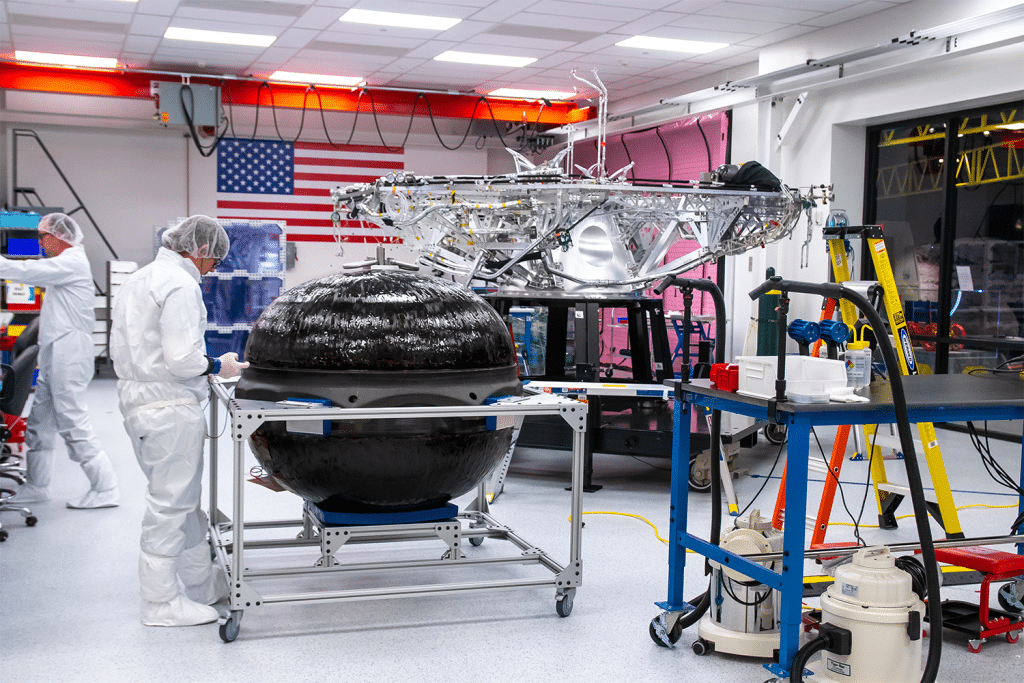
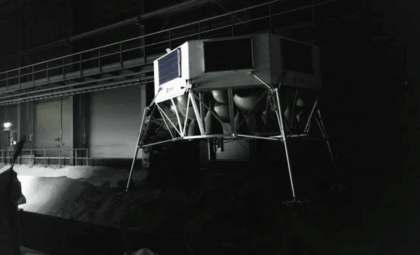
Standing over two meters tall and weighing multiple tons, the Griffin lander is designed to deliver NASA’s Volatiles Investigating Polar Exploration Rover (VIPER) to the Moon’s south pole, a region believed to contain substantial water ice. Astrobotic has been meticulously refining the lander’s thermal regulation and propulsion technologies to withstand the Moon’s harsh temperature extremes. Such precision engineering is critical to ensuring both safe rover deployment and prolonged scientific missions.

Falcon Heavy: Backbone of Commercial Lunar Ventures
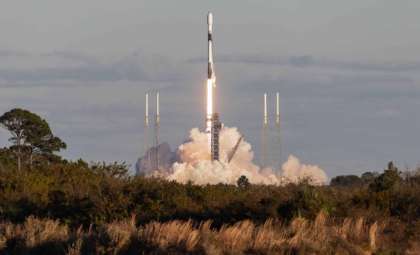
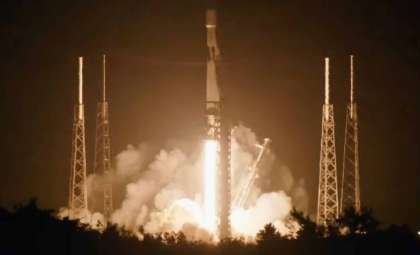
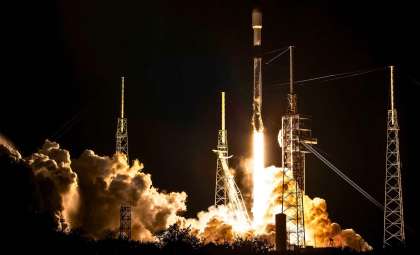
SpaceX’s Falcon Heavy continues to solidify its role as a key vehicle in the commercial space domain with its robust lift capabilities beyond Earth orbit. Launching from NASA’s Kennedy Space Center in Florida, the rocket will send the Griffin lander on a carefully calculated lunar trajectory designed to conserve fuel.
This mission exemplifies the growing synergy between government space agencies and private contractors, with NASA leveraging private expertise to cut costs and boost innovation. Falcon Heavy’s proven success with missions like USSF-52 and Arabsat-6A in 2024 underlines SpaceX’s reliability for challenging deep-space endeavors.
As Space.com detailed, postponing the launch to 2026 reflects the inherent complexity involved in integrating high-precision systems such as Griffin and VIPER. Nevertheless, this extra time can enhance mission safety and reliability—crucial given the significant investment and critical nature of the NASA payload.
SpaceX Falcon Heavy launch of private Griffin moon lander now targeting mid-2026 https://t.co/hgAlS6rb7x
— SPACE.com (@SPACEdotcom) October 28, 2025
Exploring Lunar Ice in Permanent Shadows
The centerpiece of this endeavor is the VIPER rover, equipped to map and characterize water ice deposits in the Moon’s perpetually shadowed craters near the south pole. Discovering accessible ice is a major step that could support future manned lunar missions by providing essential resources like water, oxygen, and fuel.
The Griffin lander will autonomously manage the final lunar descent and deploy VIPER to tread the darkened lunar terrain unseen by sunlight. The rover’s findings will guide NASA’s Artemis program in selecting sites for sustained human presence. Success in landing and operating VIPER will also strengthen Astrobotic’s reputation as a pioneer in commercial lunar logistics, accelerating the development of a lasting lunar industry.
Why the 2026 Timeline Shift Benefits the Mission
Delaying the launch to mid-2026 offers crucial time for refining the lander’s flight software and ground testing apparatus. Astrobotic’s team is extensively validating systems under simulated lunar conditions to confirm their resilience and navigational accuracy. Simultaneously, SpaceX is enhancing Falcon Heavy’s reusable boosters to improve recovery efficiency post-launch.
The new schedule brings the mission into closer coordination with Artemis program activities, potentially allowing Griffin and VIPER to support upcoming crewed explorations. Each adjustment propels the commercial lunar sector toward a sustainable human presence in deep space, transforming the concept of private companies ferrying NASA cargo to the Moon into a concrete reality.
- Categories:
- Space






0 comments
Sign in to Comment