

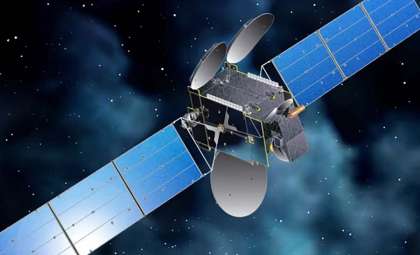
SpaceX has successfully deployed the Astra 1P satellite for SES, a Luxembourg-based satellite operator. This new satellite is designed to replace four aging broadcast satellites over Europe, ensuring uninterrupted service through 2040.
This launch highlights the strong ongoing collaboration between SES and SpaceX, reflecting their joint dedication to pushing the envelope in satellite communications technology.
Mission Overview and Timeline
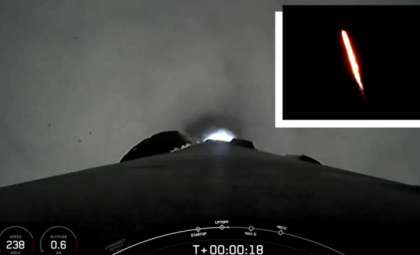
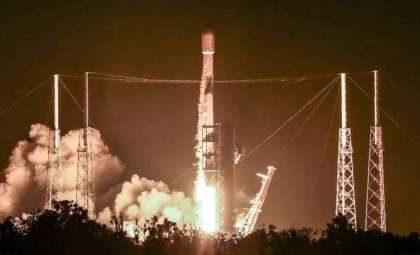
The Falcon 9 rocket carrying Astra 1P took off from Cape Canaveral Space Force Station in Florida at 5:35 p.m. Eastern on June 20, 2024. After two weather-related postponements, the launch successfully executed the complex orbital insertion under challenging launch conditions.

About 35 minutes after liftoff, the Astra 1P satellite was precisely delivered to geostationary transfer orbit. Meanwhile, the Falcon 9 first stage achieved a flawless touchdown on the drone ship “Just Read the Instructions” stationed in the Atlantic, marking SpaceX’s 320th successful booster recovery. This accomplishment demonstrates SpaceX’s leadership in reusable rocket tech, a key factor in lowering space mission costs.
About the Astra 1P Satellite
The Astra 1P satellite, built by Thales Alenia Space, represents a cutting-edge geostationary platform intended to upgrade SES’s broadcast infrastructure. Positioned at 19.2 degrees East longitude, Astra 1P offers Ku-band capacity that will take over from four legacy satellites currently in service.

This modernization enables SES to maintain high-quality television broadcasting to about 119 million households across Germany, Spain, and France. Throughout the rest of 2024, the satellite will utilize its electric propulsion to maneuver into its final geostationary position, followed by thorough system checks targeting full operational status by January.
The Partnership Between SES and SpaceX
SES began working with SpaceX in 2013, pioneering the use of SpaceX rockets for commercial satellite launches. The companies reached another landmark in 2017 when SES became the first to launch on a previously flown booster.
For Astra 1P’s flight, SpaceX utilized a booster with an extensive history of eight prior flights, including tasks supporting its Starlink network. This ongoing collaboration illustrates the strong partnership in blending innovative launch services with advanced satellite systems.
Looking Ahead: Market Trends and Upcoming Deployments
The satellite TV industry is evolving rapidly as streaming platforms gain dominance. To stay competitive, traditional broadcasters like SES are broadening their focus toward satellite broadband connectivity.
Supporting this shift, SES has unveiled plans to acquire satellite operator Intelsat for $3.1 billion, aiming to boost its reach in the satellite-based internet arena where rivals such as Starlink are expanding.
Additionally, SES is set to launch the Astra 1Q satellite, also crafted by Thales Alenia Space, in 2026. Unlike Astra 1P, Astra 1Q is software-defined, enabling in-orbit reconfiguration to address various communication demands flexibly, aligning with SES’s strategy to adapt to evolving technological and market needs.
The accomplishment of launching Astra 1P marks an important chapter in the longstanding SES-SpaceX cooperation, enabling sustained premium broadcast services for millions and highlighting innovation in space technology. As the demand for broadband and adaptable satellite solutions escalates, these partners are positioned to continue shaping the future of satellite communications.









0 comments
Sign in to Comment