
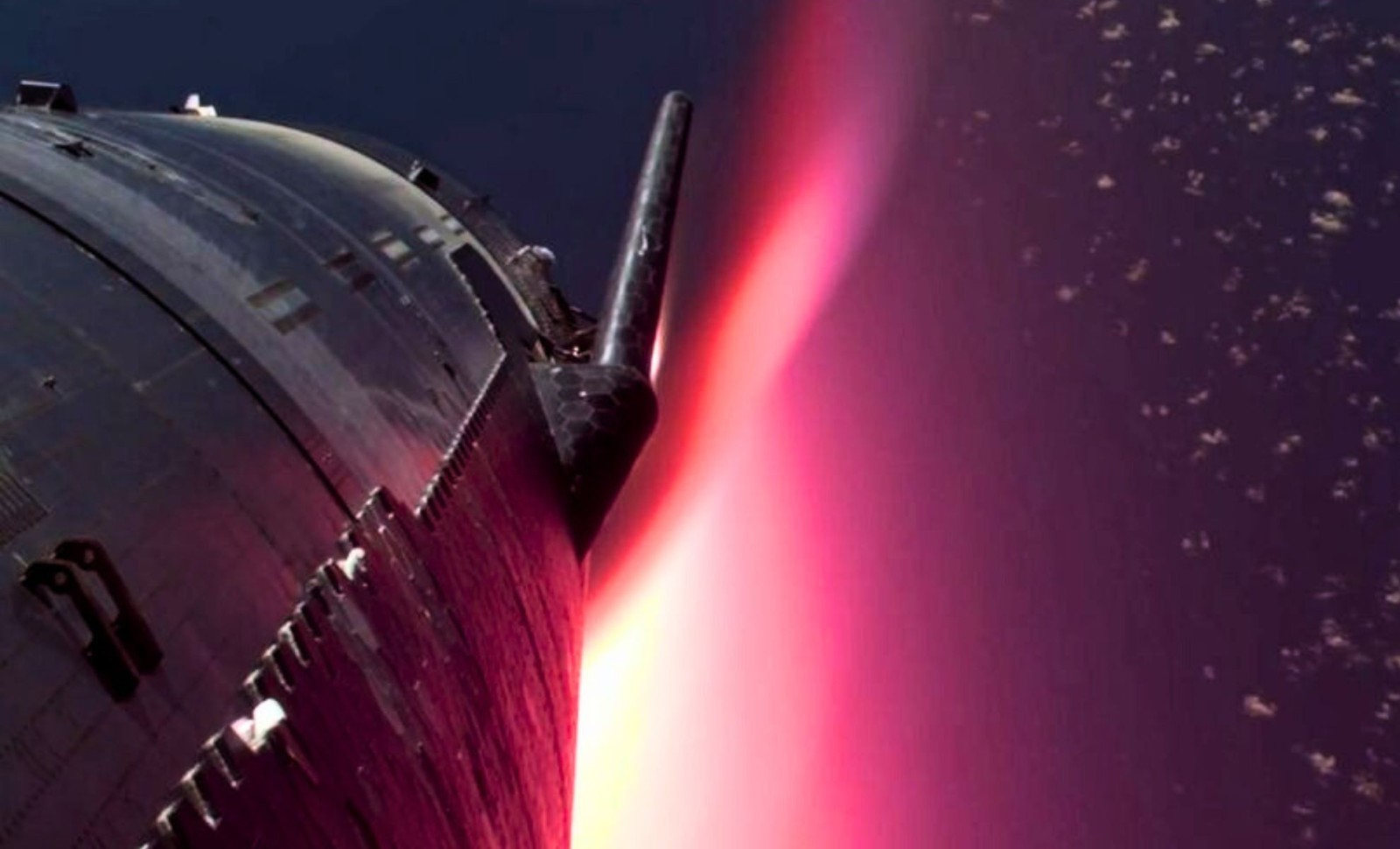
On October 13, 2025, SpaceX embarked on one of its most daring test flights yet by deliberately designing a Starship mission destined to challenge the vehicle’s durability rather than achieve flawless success. Key sections of the spacecraft’s thermal protection system were removed, exposing the stainless-steel structure to reentry temperatures surpassing 1,400°C. This calculated stress test aimed to examine how the heat shield design withstands extreme conditions.
This flight, the eleventh in Starship’s testing series, was the final outing for its second-generation hardware. It also marked the last launch from Pad 1 at Starbase, Texas, signaling the transition to the upcoming third generation, known as Starship V3. Embracing risk as a core element, this mission operated as a precise failure analysis in real flight scenarios.
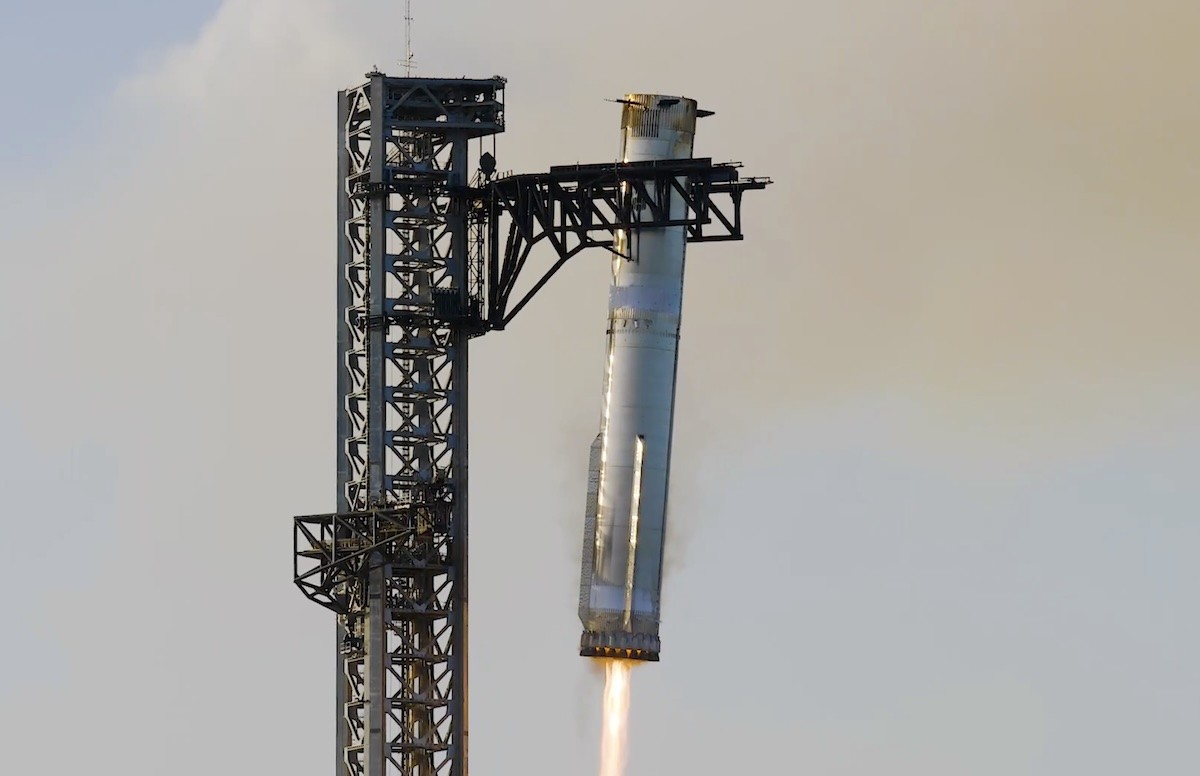
According to SpaceX’s official post-mission statement, the flight met “every major objective,” featuring a full-duration ascent, a simulated booster landing process, Starlink payload deployment tests, and a vital engine relight in orbit. However, what truly set this test apart was its intentional engineering vulnerabilities.

Deliberate Heat Shield Vulnerabilities to Push Limits
Flight 11 differentiated itself by purposefully removing thousands of ceramic heat shield tiles, leaving certain areas of the spacecraft’s exterior vulnerable to intense heating. The plan was to simulate failure points and analyze the spacecraft’s response under extreme thermal stress. During reentry, Starship performed a dynamic banking maneuver through the Earth atmosphere, gathering detailed data on heat shield behavior under these purposely heightened conditions.
This approach aligns with SpaceX’s philosophy of iterative, data-focused testing, preferring real flights to purely simulated trials. This strategy accelerates development while inviting rigorous regulatory oversight.
Unlike prior missions aimed at full thermal protection, this experiment welcomed heat-induced damage to gain unique insights. The exposure of structural components to plasma heating upon descent offers crucial knowledge for efforts to make the spacecraft rapidly reusable.
After reentrance, Starship executed a dramatic landing flip and controlled splashdown in the Indian Ocean, closely mimicking the trajectory planned for future land-based recovery at Starbase.
Upgrades to Super Heavy Booster Landing Procedure
The accompanying booster, Super Heavy B15, which first launched in March 2025, returned outfitted with 33 methane-powered Raptor engines, 24 confirmed flight-proven. As detailed by Ars Technica, this mission showcased a refined descent engine sequence, shifting from a 13-engine burn to five, then finishing with three central engines.
This innovative 13-5-3 engine burn pattern supersedes the older 13-to-3 sequence, designed to enhance reliability by providing redundancy against sudden engine shutdowns during high-thrust deceleration phases. SpaceX confirmed the maneuver went smoothly, including a brief hover above water prior to splashdown.
The modification supports SpaceX’s long-term ambition to catch returning boosters with Starbase’s mechanical arms, a feat demanding incredible precision and timing. This test validated key control systems and engine responsiveness under authentic flight stresses.
Enhancing Orbital Performance and Engine Reliability
The upper stage of Starship completed a full-length engine burn, successfully achieving its planned orbit and deploying eight Starlink simulator payloads. This validated the spacecraft’s payload deployment systems as well as structural and orientation control under operational loads—critical for upcoming orbital missions.
Notably, this flight achieved its third successful relight of a Raptor engine in space, a vital skill for complex maneuvers such as orbital rendezvous, lunar descents, or planetary returns. SpaceX described this as critical for future deorbit burns.
The vehicle followed a descent profile similar to what will be used in future return-to-launch-site landings. These advancements are important not only for commercial reuse but also for NASA’s Human Landing System, where Starship is essential for ferrying astronauts between lunar orbit and the Moon’s surface.
Looking Ahead: Starship Version 3 and Orbital Milestones
Flight 11 marks the conclusion of second-generation Starship development. Attention now shifts toward Starship V3, a major redesign boasting increased fuel capacity, in-orbit refueling capability, and a larger overall size.
Per Ars Technica, the inaugural V3 launch is scheduled for early 2026 from a freshly upgraded pad near Starbase. This version aims for full orbital insertion and plans to accomplish the first-ever orbital cryogenic propellant transfer, an essential milestone not yet achieved by other organizations.
NASA’s Artemis program relies heavily on this capability, as Starship must refuel in orbit to carry out round-trip lunar missions. The upcoming year will be a critical test of both vehicle capability and mission design.
- Categories:
- News








0 comments
Sign in to Comment