
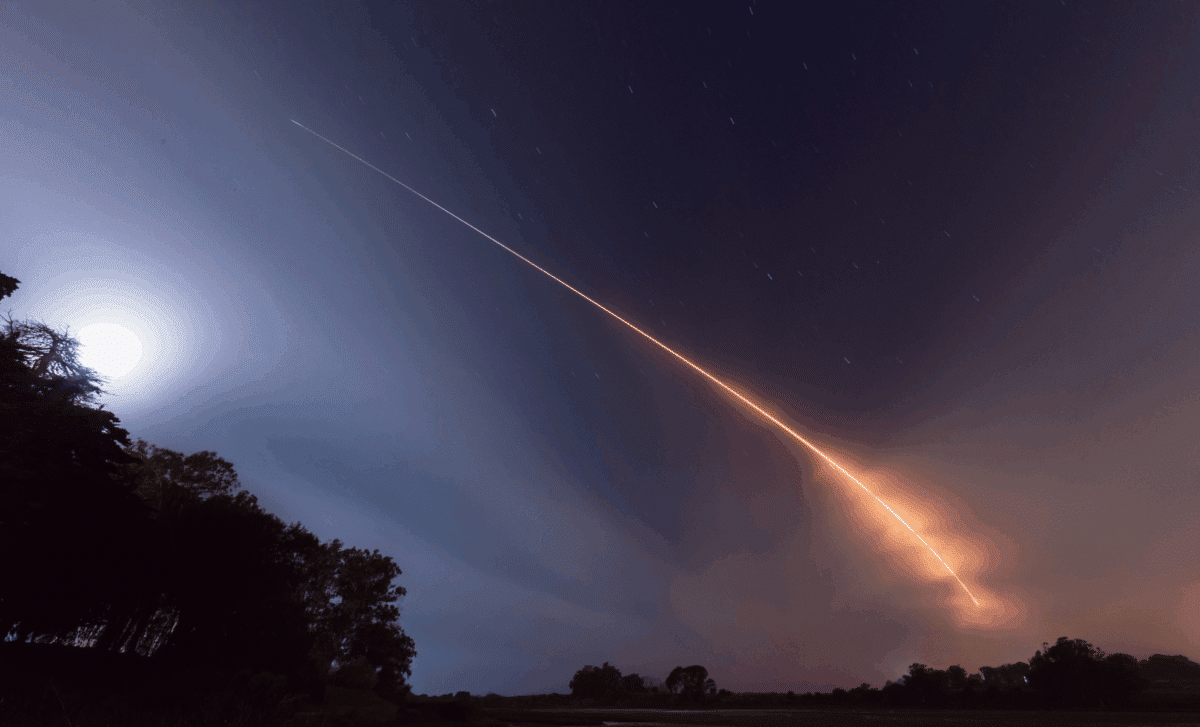
The surge in Starlink satellites reentering Earth’s atmosphere has sparked growing concerns as Elon Musk’s SpaceX satellite network rapidly expands. Projections suggest that by 2025, up to four satellites might descend daily, prompting experts including astronomer Jonathan McDowell to highlight potential environmental and operational risks. Although most satellites incinerate safely, rising worries about space debris and atmospheric contamination have spurred calls for improved deorbiting methods.
Increasing Numbers of Starlink Satellites Reentering Earth
In 2025, the number of Starlink satellites falling back through Earth’s atmosphere has climbed markedly. Currently, roughly one to two satellites deorbit each day, a rate predicted to grow as SpaceX keeps deploying more units. To date, SpaceX has launched over 8,500 of these satellites for a large-scale global space internet system. The constellation is expected to top 12,000 active satellites, significantly increasing objects crowding low-Earth orbit.
While satellite reentries are a long-observed occurrence, the scale associated with SpaceX’s Starlink network introduces new complications. These units are designed with an operational span near five years and programmed to burn up upon reentry. Though this theoretically avoids ground debris, risks remain. As the satellite count grows, so does the frequency of deorbiting events, and the consequences for Earth’s atmosphere and orbital environment remain uncertain.

Environmental Impact and Atmospheric Contamination
Experts such as Dr. Jonathan McDowell have raised alarms about the environmental effects linked to these satellite burn-ups. Reentering satellites emit pollutants including aluminum oxide particles, which might contribute to atmospheric warming. The exact magnitude of this influence remains unclear.
In a discussion with EarthSky, Dr. McDowell emphasized that while the full extent of atmospheric changes caused by these disintegrations is under study, the potential to disrupt Earth’s atmospheric balance cannot be ruled out. “It’s not clear yet really, even in the age of the mega constellations, [whether] these effects are going to be big enough to be really problematic, but it’s not clear that they won’t,” he remarked. Ongoing investigations may determine if current disposal practices require revision due to environmental concerns.
The Mounting Challenge of Orbital Debris
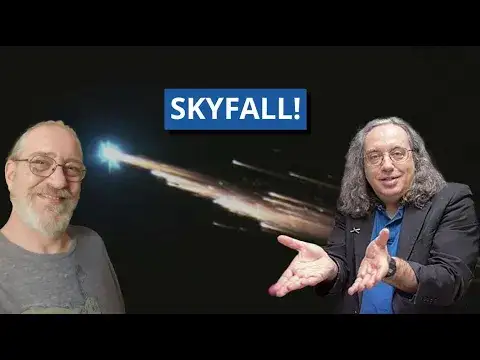
Another key issue connected to the growing Starlink satellite fleet is the escalation of space debris. Although satellites are intended to vaporize upon reentry, worries persist regarding uncontrolled fragments reentering the atmosphere. Dr. McDowell noted, “every few months there’s a report of a piece of space hardware that’s reentered that ends up on the ground as a significant piece of debris.”
These events are becoming more common as low-Earth orbit accumulates increasing numbers of objects. While many satellites are deliberately deorbited and destroyed, other fragments present a more unpredictable threat. As McDowell explained,
“So several times a year we’re taking these potshots at people on the Earth and fortunately so far missing. So far we’ve been very lucky, but it won’t last.”
The unpredictable nature of debris falling back to Earth emphasizes the need for stricter regulations and improved satellite end-of-life policies.
Safety Hazards from Surviving Debris
Despite design efforts to ensure Starlink satellites disintegrate during reentry, space debris remains a considerable safety hazard. An expanding population of satellites and discarded objects means more debris will eventually return to Earth, potentially with harmful effects. McDowell highlighted that while the danger remains low at present, “so far we’ve been very lucky,” it could increase as orbital traffic multiplies.
The problem worsens because not all space equipment is actively controlled. Some debris is the result of uncontrolled satellite reentries, making them unpredictable and potentially dangerous. Such objects might partially survive atmospheric entry, with larger fragments reaching Earth’s surface.
Future Directions in Space Debris and Waste Management
Growing satellite numbers in low-Earth orbit call for enhanced strategies to manage space clutter. Dr. McDowell advocates reviewing current disposal practices, especially as environmental impact research advances. Should data confirm that satellite burn-ups cause significant atmospheric harm, a fundamental rethink of end-of-life handling will be necessary.
At present, no global standards govern satellite disposal uniformly; operators like SpaceX mostly manage their own deorbiting. Some industry players are exploring greener options, such as relocating satellites to higher graveyard orbits with less collision risk. Nevertheless, these approaches are still experimental and may not solve all long-term challenges posed by expanding satellite constellations.
- Categories:
- News








0 comments
Sign in to Comment