
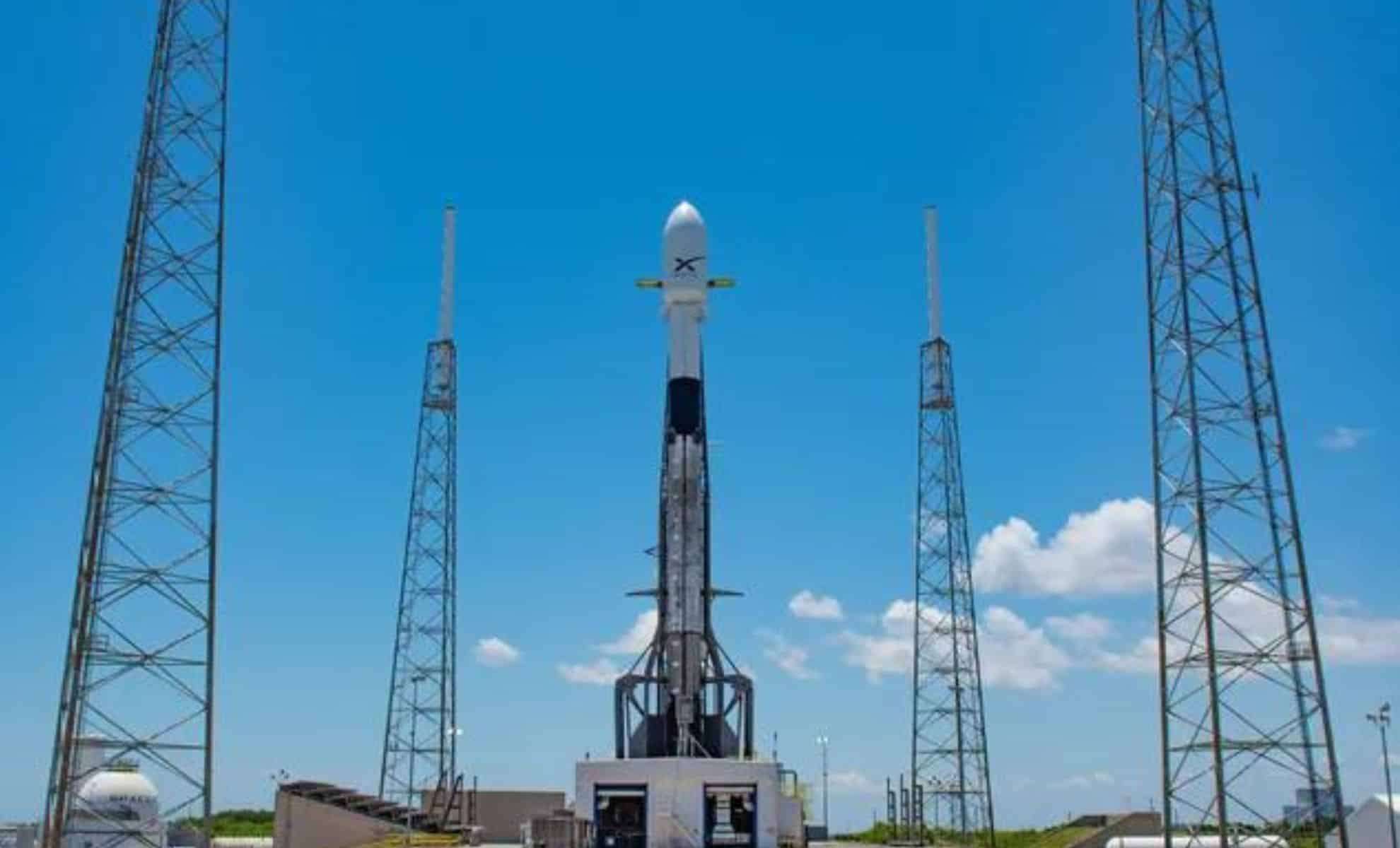
SpaceX has delayed its scheduled Starlink launch from September 4, 2024, due to adverse weather conditions that could impact the recovery of the rocket’s first stage in the Atlantic Ocean.
This postponement underscores the difficulties SpaceX encounters in maintaining its hectic launch timetable while managing unpredictable weather risks, especially given the importance of safely retrieving reusable boosters.
Details of the Mission: Growing the Starlink Network
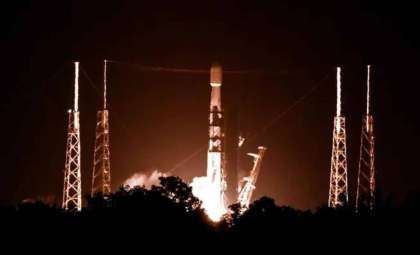
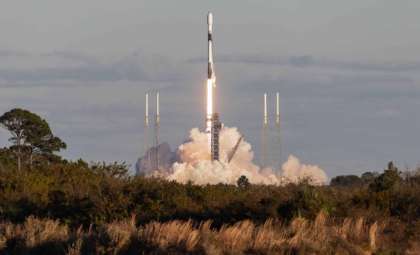
The Starlink 8-11 launch is now slated for 8:35 a.m. EDT on Thursday, September 5, from Cape Canaveral Space Force Station. The delay was necessary to ensure a safe booster recovery, a critical step in SpaceX’s strategy of reusing rocket components. A backup option is available at 12:31 p.m. EDT if required.

Due to unfavorable booster recovery weather conditions in the Atlantic, the team is resetting Falcon 9’s launch of @Starlink for tomorrow, September 5
— SpaceX (@SpaceX) September 4, 2024
This mission will deploy 21 additional Starlink satellites to expand SpaceX’s growing constellation, advancing global high-speed internet availability. Notably, 13 of these satellites feature the new Direct to Cell technology, enabling direct communication with mobile phones and bypassing conventional terrestrial networks. This innovation promises to transform connectivity for remote locations where cellular infrastructure is limited. The Falcon 9 rocket set to launch this payload will lift off from Launch Complex 40 at Cape Canaveral, furthering SpaceX’s goal to extend reliable internet access worldwide.
SpaceX’s Falcon 9 first-stage booster for this flight is an experienced rocket, having flown 14 times previously. It has supported diverse missions, including NASA’s Crew-5, multiple Starlink deployments, a U.S. Space Force GPS III mission, and commercial satellite launches. Following separation, the booster will aim to touch down on the drone ship Just Read the Instructions in the Atlantic Ocean. These precision landings, occurring roughly eight minutes post-launch, are vital to SpaceX’s cost-saving reuse efforts and remain key benchmarks in the company’s operational expertise.
Recent Hurdles for Booster Landings
This launch follows an August 28, 2024 incident when a Falcon 9 booster failed to land upright on the drone ship A Shortfall of Gravitas, tipping over and catching fire upon touchdown. Though rare, this setback prompted an investigation by the Federal Aviation Administration (FAA), who have allowed SpaceX to continue launches while inquiries proceed. The event serves as a reminder of the complexities inherent in reusable rocket technology, especially amid challenging offshore conditions where small errors can have significant consequences.
Despite this, SpaceX has pressed on with an aggressive launch cadence. This mission marks the company’s third Starlink launch in a week, following two successful deployments on August 31 carrying 21 satellites each and incorporating the Direct to Cell technology. Expanding the Starlink network remains critical to addressing rising demand for fast internet access, especially in underserved and remote regions lacking traditional infrastructure.
Impact of Weather on Launch Scheduling
The decision to delay the Starlink 8-11 launch primarily hinged on weather conditions over the Atlantic booster recovery region where Just Read the Instructions is stationed. SpaceX depends on calm seas and favorable atmospheric conditions for both launching and recovering rockets. Rough ocean waves and high winds created too high a risk for a safe landing on the drone ship. Since recovery is central to SpaceX’s reusable approach, the launch was postponed as a precaution. Weather forecasts for Thursday indicate a 70% probability of suitable conditions, with the U.S. Space Force’s 45th Weather Squadron highlighting cumulus and anvil clouds as the main remaining risks during launch.
While a minor delay, this highlights the ongoing challenge SpaceX faces in maintaining frequent launches amid Florida’s often volatile weather patterns. Cape Canaveral’s coastal location makes it vulnerable to thunderstorms and tropical storms, especially through summer and early autumn, requiring flexibility in scheduling key missions.
Extending Starlink’s Reach and Enhancing Connectivity
The Starlink initiative is a foundation of SpaceX’s vision to offer worldwide high-speed internet access, focusing on isolated and underserved regions. With thousands of satellites already in orbit, the addition of the 21 new satellites will bolster network coverage and capacity, improving service for current users and expanding access in new areas. The integration of Direct to Cell functionality on 13 satellites is a significant advancement, enabling direct mobile device connections without relying on traditional cell towers. This capability is expected to be transformative for users in remote areas or in disaster-stricken zones where ground infrastructure may be compromised.
Looking ahead, SpaceX is actively pursuing collaborations with telecom providers to facilitate seamless integration of Starlink’s services with existing mobile networks. This approach has the potential to dramatically increase internet availability in underserved markets. Ultimately, SpaceX intends to deploy a vast megaconstellation of satellites designed not only to improve internet access but also to support emerging communication technologies like IoT and next-gen mobile services.







0 comments
Sign in to Comment