
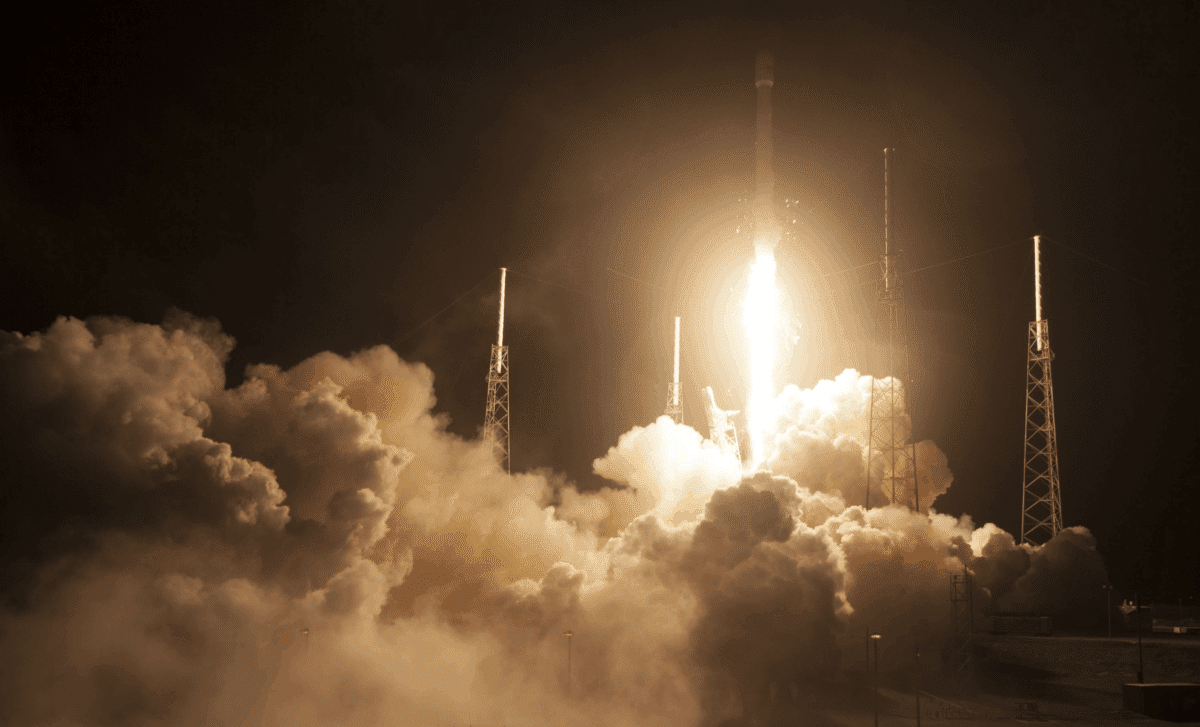
Amid rapid developments in the aerospace sector, SpaceX is leading a surge of launches this week. According to the latest update from NASASpaceFlight (NSF), there are up to four Falcon 9 missions lined up, including an expendable launch for the first time since January 2025. Alongside these, international missions such as a launch from China and a postponed Japanese flight reflect important progress in Starlink’s satellite expansion and worldwide space exploration. While SpaceX continues to dominate, these launches highlight key discussions about the future trajectory of reusable rocketry and global satellite infrastructure.
Falcon 9 Advances Starlink Expansion with Multiple Launches
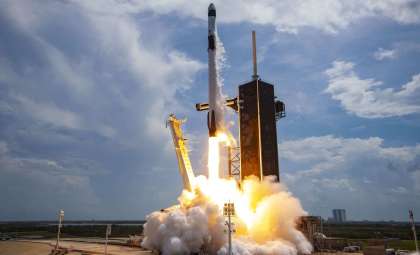
The Falcon 9 remains at the heart of SpaceX’s operational endeavors, with several prominent missions scheduled this week. As detailed by NASASpaceFlight (NSF), on October 22, SpaceX will deploy 28 Starlink v2-Mini satellites from Vandenberg Space Force Base. This flight aims to augment the Group 11 layer of the Starlink constellation in low Earth orbit (LEO). The Falcon 9 first stage reutilized for this mission, booster B1075, boasts an extensive flight history of 20 missions.
A notable aspect of this operation is the strategic use of the Falcon 9 first stage to maximize launch efficiency. Booster B1075 has reliably supported numerous missions, including Transporter rideshare flights, SARah 2 & 3, and Tranche 0A deployments. This consistency exemplifies SpaceX’s expanding fleet of reusable launch vehicles, reinforcing cost viability and mission reliability. These actions progressively fulfill the company’s vision of delivering internet access to remote areas worldwide.

A Unique Expendable Falcon 9 Launch Highlights Versatility
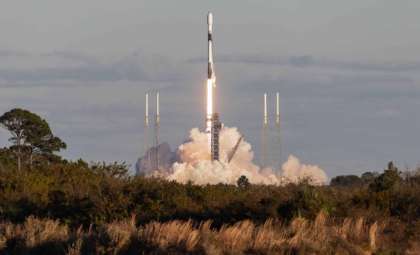
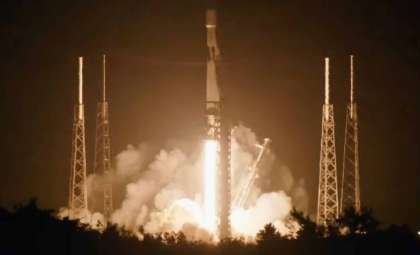
For the first time since January 2025, SpaceX plans an expendable Falcon 9 launch with the upcoming SPAINSAT NG II mission. Scheduled for October 22 from Cape Canaveral Space Force Station, this launch diverges from typical booster reuse policies due to the high-performance demands of the payload, necessitating the booster’s expendability.
The SPAINSAT NG II satellite is a cutting-edge communications platform aimed at enhancing secure communications for military and government users. Positioned in geostationary orbit, it offers upgraded durability and dramatically increased bandwidth over its predecessor. This mission underscores Falcon 9’s heavy-lift capacity when full expendability is prioritized, showcasing the rocket’s adaptability across mission profiles.
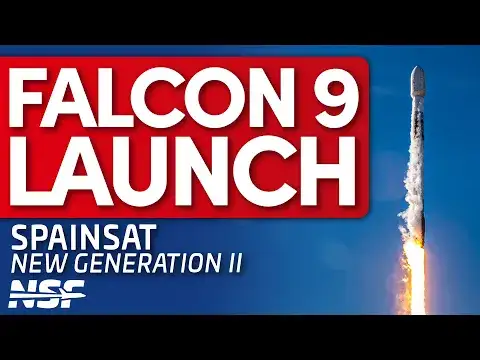
China’s Chang Zheng 5 Launch: Strengthening Heavy-Lift Capabilities
While SpaceX garners much attention, other major space programs also advance their agendas. China’s Chang Zheng 5 rocket is slated for liftoff on October 23 from the Wenchang Space Launch Center. Although the payload has not been publicly confirmed, it is anticipated to be another Tongxin Jishi Shiyan (TJSW) communication satellite. Following the earlier success of the Chang’e 6 mission, this launch exemplifies China’s ongoing strides in space technology.
Recognized as China’s most formidable rocket, the Chang Zheng 5 delivers heavy payloads to orbit with remarkable precision. This upcoming flight supports China’s efforts to expand its satellite communication network, reinforcing its position among the world’s leading spacefaring nations. Successes with the Chang Zheng 5 solidify China’s competitive edge alongside SpaceX and other global space agencies in both military and civilian ventures.
- Categories:
- News







0 comments
Sign in to Comment