
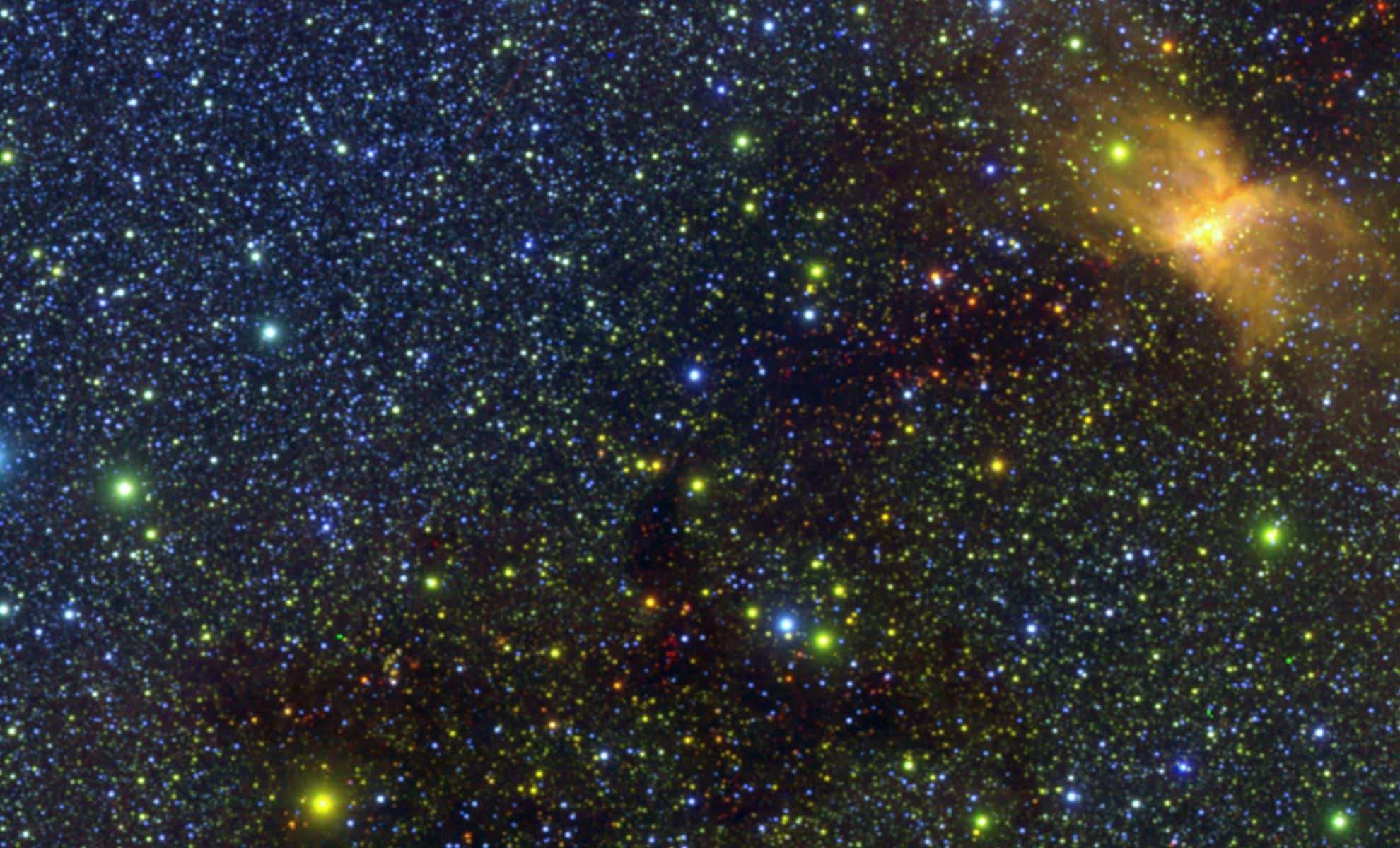
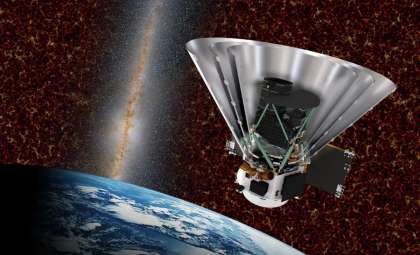
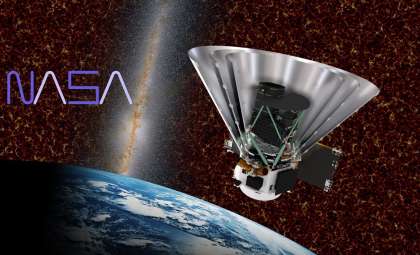
Since its launch in March 2025, NASA’s SPHEREx mission has been poised to revolutionize our cosmic perspective. By charting the entire sky in 102 distinct infrared wavelengths, SPHEREx is set to deliver unprecedented data on hundreds of millions of celestial bodies. According to a recent update from NASA’s Jet Propulsion Laboratory, the mission’s weekly updated public archive will empower both professional astronomers and enthusiasts to delve deeper into the universe’s mysteries.
Creating the Most Detailed Cosmic Map Yet
SPHEREx’s mission centers on assembling an all-encompassing sky map with far greater spectral detail than previous infrared surveys. Unlike the earlier WISE mission which observed only four infrared wavelengths, SPHEREx spans 102, vastly enhancing scientists’ ability to uncover diverse cosmic phenomena. The resulting data will be instrumental in advancing studies on life's origins, dark matter, and the evolutionary saga of the cosmos.
Rachel Akeson, leader of the SPHEREx Science Data Center at IPAC, highlighted: “Because we’re looking at everything in the whole sky, almost every area of astronomy can be addressed by SPHEREx data.” This extensive survey enables the scientific community to investigate topics from star formation processes to the ongoing expansion of the universe with remarkable new precision.

Spectroscopy: A Gateway to Understanding Cosmic Composition
Central to SPHEREx’s methodology is spectroscopy, which analyzes light emitted by celestial bodies to infer their chemical and physical properties. By capturing light across 102 infrared bands, SPHEREx can pinpoint the presence of molecules such as frozen water and organic compounds—key ingredients thought to be essential for life. It also sheds light on the distribution of dust and gases within the Milky Way.
This spectral insight opens avenues to trace life’s foundational elements throughout our galaxy and to explore the primordial conditions responsible for creating the first stars and galaxies, potentially revealing new details about the early universe and its developmental forces.
Promoting a Collaborative Scientific Future Through Open Access
Reflecting NASA’s dedication to transparent science, all SPHEREx data will be publicly accessible within 60 days after collection. This openness ensures that researchers and astronomy enthusiasts worldwide can harness the mission’s comprehensive data for varied scientific investigations. Akeson noted: “By making the data public, we enable the whole astronomy community to use SPHEREx data to work on all these other areas of science.”
This open-data approach is designed to drive faster scientific breakthroughs and foster international cooperative efforts, empowering a diverse global research community to pose new questions and gain fresh perspectives on the cosmos.
Integrating SPHEREx Findings with Other Pioneering Missions
SPHEREx’s work complements efforts by other notable space observatories, including NASA’s James Webb Space Telescope (JWST), the Transiting Exoplanet Survey Satellite (TESS), and ESA’s Euclid project. By merging its infrared observations with these data sets, scientists can craft a more holistic view on mysteries like dark matter, dark energy, and exoplanet characteristics.
SPHEREx data also plays a pivotal role in identifying promising subjects for JWST’s high-resolution studies and enhancing exoplanetary models refined by TESS, deepening our knowledge of potentially habitable worlds beyond our solar system.
The Lasting Impact of SPHEREx on Astrophysical Research
During its two-year operational window, SPHEREx will generate four all-sky maps — one per year — each presenting a multi-wavelength view of the evolving cosmos. These sequential maps will allow astronomers to witness cosmic changes unfold over time. Early data releases are already showcasing SPHEREx’s powerful infrared imaging capabilities.
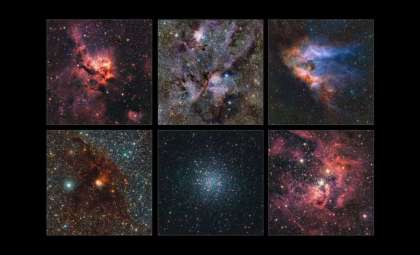
One notable early observation in April 2025 revealed a cloud of dust comprising molecules similar to soot or smoke, a detection that optical telescopes could not achieve. These initial insights herald the mission’s potential discoveries as it continues to unveil the universe’s hidden depths.
- Categories:
- News







0 comments
Sign in to Comment