
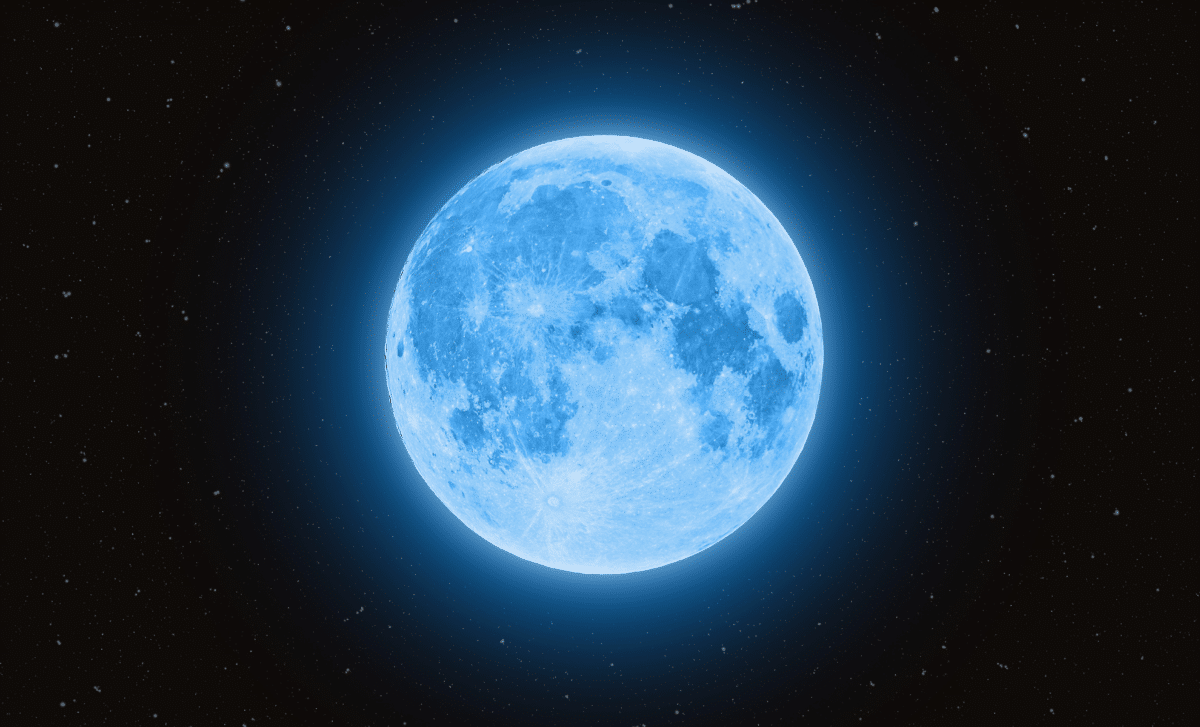
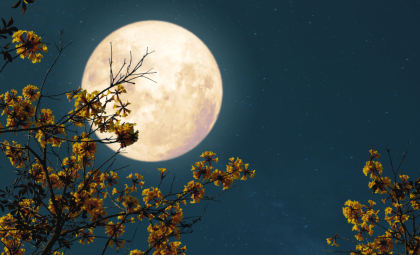
On May 31, 2026, skywatchers will have a unique treat with the arrival of a Blue Moon, an uncommon event that promises to captivate both avid astronomers and night sky admirers. According to The Old Farmer’s Almanac, a Blue Moon takes place when two Full Moons occur within the same calendar month—a phenomenon that typically happens once every two or three years. Although the moon won’t actually glow blue, this occasion offers an intriguing chance to delve into lunar rhythms and their significance in astronomy.
Decoding the True Meaning of a Blue Moon
The phrase Blue Moon often causes misunderstandings. Today, it commonly refers to the second Full Moon appearing in a given calendar month. The lunar cycle spans about 29.5 days from one New Moon to the next. Therefore, if a Full Moon occurs early in the month, a second one is likely to follow before the month ends, creating this notable “extra” event.
There is also an older seasonal interpretation. A typical season—defined by equinoxes and solstices—usually includes three Full Moons. However, if four Full Moons fall within a single season, the third Full Moon is classified as a Blue Moon. This traditional explanation faded in prominence after a 1946 misinterpretation published in Sky & Telescope led to the currently popular calendar-based meaning, which took hold in the 1980s.

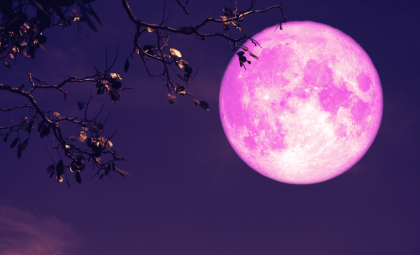
Despite its name, a Blue Moon does not appear blue naturally. The term symbolizes rarity rather than actual color. Occasionally, atmospheric factors like dust or smoke can tint the moon slightly blue, but this is unrelated to the Blue Moon event.
Why Observers Should Take Notice
The upcoming Blue Moon is not only a visually appealing phenomenon but also a reminder of the complex movements governing lunar cycles. Viewers throughout the U.S. and worldwide can witness the moon reaching its fullest state around 4:45 a.m. local time, shortly before it sets. This event is often eagerly anticipated by photographers, amateur stargazers, and astrology enthusiasts who use it as an opportunity to capture breathtaking images or commemorate symbolic moments.
In addition to its beauty, the Blue Moon emphasizes the regularity of celestial patterns. Recognizing these lunar phases enriches our understanding of the dynamic relationship between the Sun, Moon, and Earth, and highlights how moon phases have historically influenced agriculture, navigation, and cultural customs.
The Historical and Cultural Significance of Blue Moons
While the Blue Moon today is mostly seen as an astronomical curiosity, its roots run deep in history. Many Full Moon names come from Native American and European traditions, reflecting connections between moon cycles, farming seasons, and festivals. The modern calendar-based definition of the Blue Moon arose from a mistaken interpretation, demonstrating how scientific ideas evolve over time.
The Old Farmer’s Almanac points out that tracking these infrequent lunar events continues an age-old practice. Blue Moons offer a way to observe the larger patterns of the night sky while connecting today’s viewers with traditional methods of measuring time and nature.
- Categories:
- News



0 comments
Sign in to Comment