
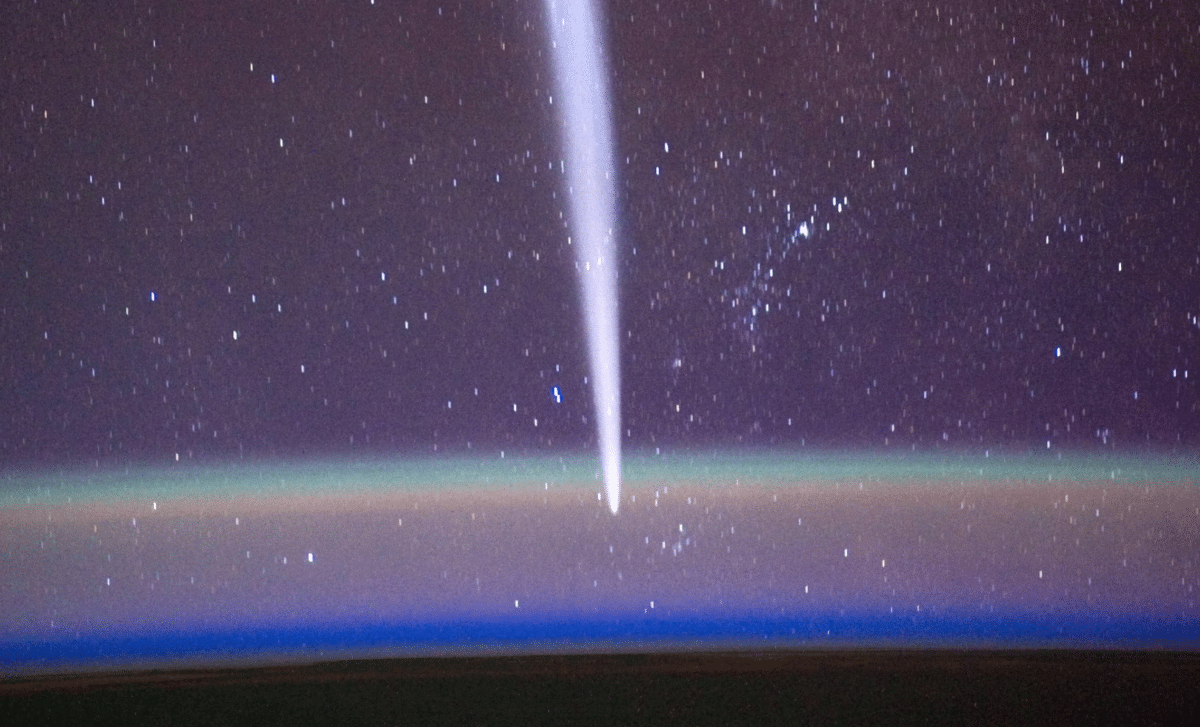
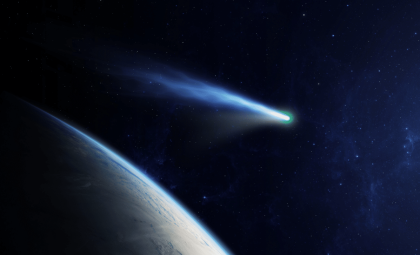
A captivating celestial event is set to unfold as Comet C/2026 A1 (MAPS) approaches its closest point to the Sun on April 4, 2026. This rare encounter might dazzle observers with a spectacular display or lead to the comet’s dramatic destruction, prompting worldwide anticipation. Discovered just three months earlier by devoted amateur astronomers, Comet MAPS has quickly become a subject of intense interest due to its near-Sun trajectory and the possibility of an extraordinary visible event. The comet’s fate as it endures the Sun’s scorching environment could provide valuable insights into the nature of such cosmic visitors.
How Comet MAPS Was Found
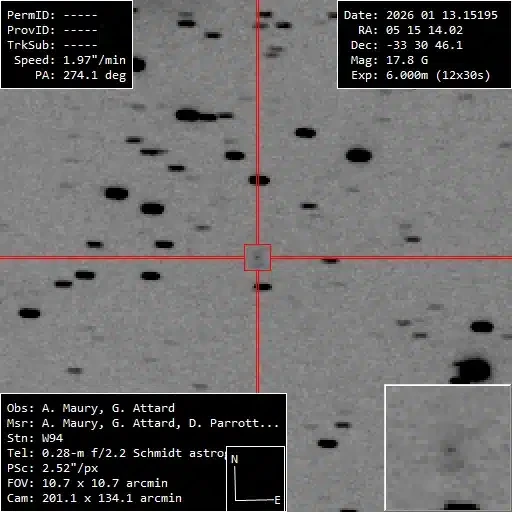
In January 2026, a group of four amateur skywatchers—Alain Maury, Georges Attard, Daniel Parrott, and Florian Signoret—made a remarkable discovery using an 11-inch telescope at Chile’s AMACS1 observatory, nestled within the Atacama Desert. Their striking find, now designated C/2026 A1 (MAPS), sparked excitement among professional astronomers. This comet belongs to the Kreutz sungrazers, a family known for their perilously close to Sun orbits. The last major member of this group to catch public attention was Comet ISON in 2013, which unfortunately disintegrated before thrilling spectators as anticipated.
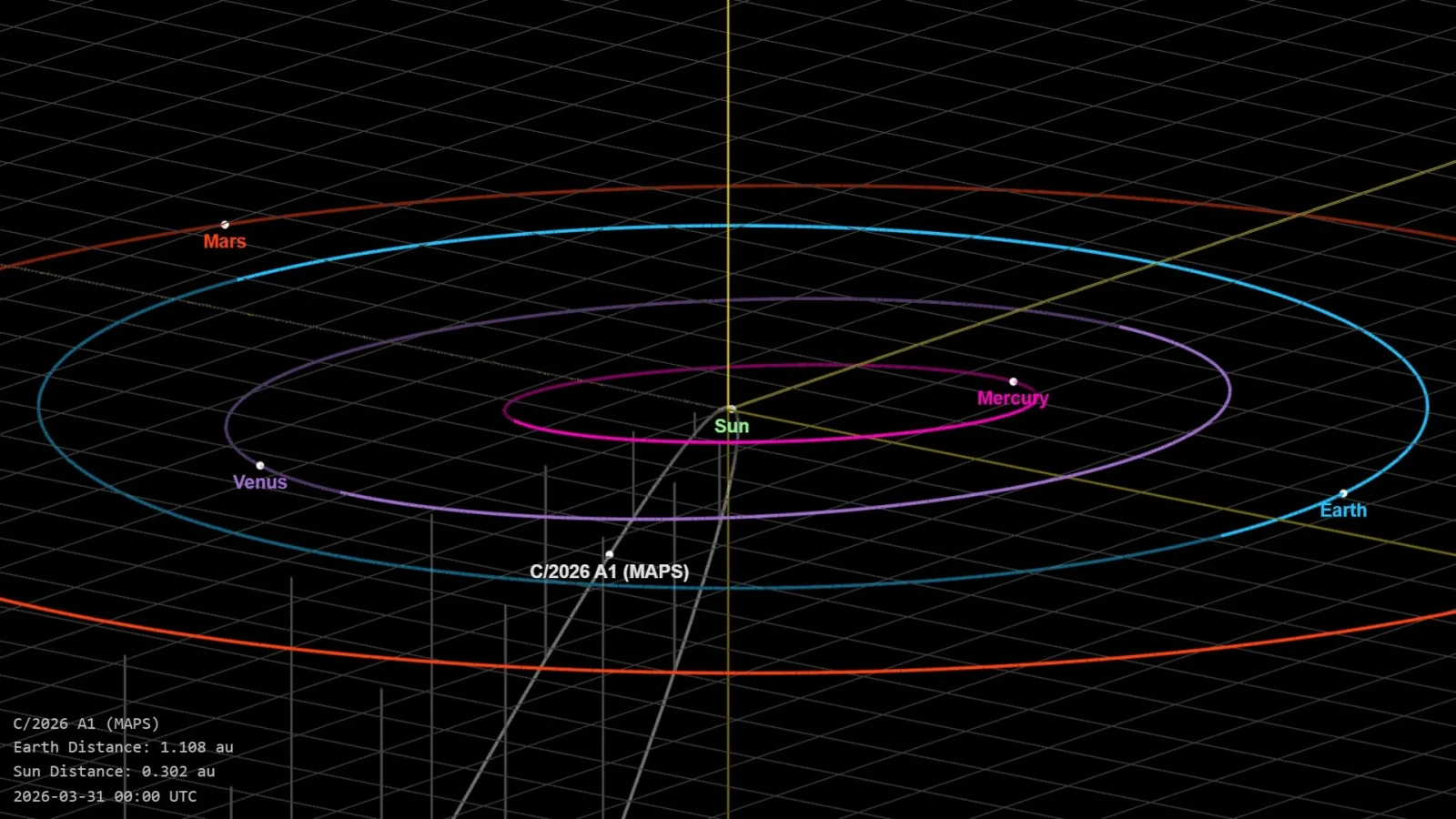
Sungrazers like MAPS are distinguished by their extreme proximity to the Sun, and this comet’s upcoming perihelion will take it merely about 101,100 miles from the solar surface — an incredibly close encounter. This journey exposes the comet to powerful gravitational pulls and intense heat, which will ultimately decide if it remains whole or shatters. Enthusiasts worldwide are now eagerly awaiting this cosmic event, hoping for an unforgettable sight in the sky.

The Effects of Solar Proximity on Comets
Comets such as MAPS are often likened to “dirty ice balls,” consisting of frozen gases, dust, and rock. As they near the Sun, the increasing warmth causes the comet’s material to vaporize, forming the glowing coma and sweeping tail that make comets so spectacular. Yet, the harsh solar environment can be disastrous, with strong radiation and gravity either pulverizing the comet or causing it to vaporize entirely, leaving no trace behind.
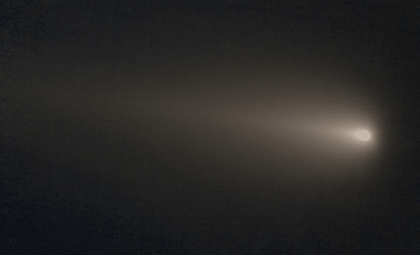
Comet MAPS faces particular difficulties due to its relatively tiny core, roughly 0.2 miles (0.4 kilometers) wide. Compared to other well-known sungrazers, like Comet Ikeya-Seki with its much larger nucleus, MAPS is at a greater risk of being destroyed by solar forces. Research published recently by the American Astronomical Society highlights that the small size significantly increases the likelihood of the comet breaking apart either before, during, or shortly after its closest solar approach.
Predicting Comet MAPS’ Fate
As the comet edges closer to the Sun, observers are monitoring three main scenarios. The most probable outcome, as reported by Space.com, is that Comet MAPS will disintegrate just before perihelion, replicating the fate of 2013’s Comet ISON, which crumbled before it could dazzle the Earth. If this occurs, no bright fragments or tails will remain visible.
Another possible outcome is survival of the solar close pass followed by breakup shortly afterward, as seen with the Great Southern Comet of 1887, which broke apart soon after swinging near the Sun, leaving behind only a faint tail.
The least likely but most dazzling possibility is that MAPS endures the extreme conditions and emerges intact, producing an awe-inspiring display visible to the naked eye in the western evening sky during mid-April. Such a survival would rank MAPS among the brightest comets in recent memory, rivaling the brilliance of the Great Comet of 1965.
How to Follow Comet MAPS Safely
Those interested in observing Comet MAPS should exercise caution, as looking directly at the Sun is extremely hazardous and can permanently damage eyesight, even through sunglasses or telescopes. Instead, astronomers rely on instruments like SOHO’s LASCO C3 coronagraph, which captures solar images safely and can track the comet’s passage from April 2 through April 6. This technology will provide essential data and stunning visuals as MAPS undergoes its critical solar encounter.
For safe and immediate updates, the SOHO live stream offers continuous coverage of Comet MAPS, allowing enthusiasts to witness its approach and discover whether it survives or succumbs to the Sun’s fiery conditions.
- Categories:
- News








0 comments
Sign in to Comment