
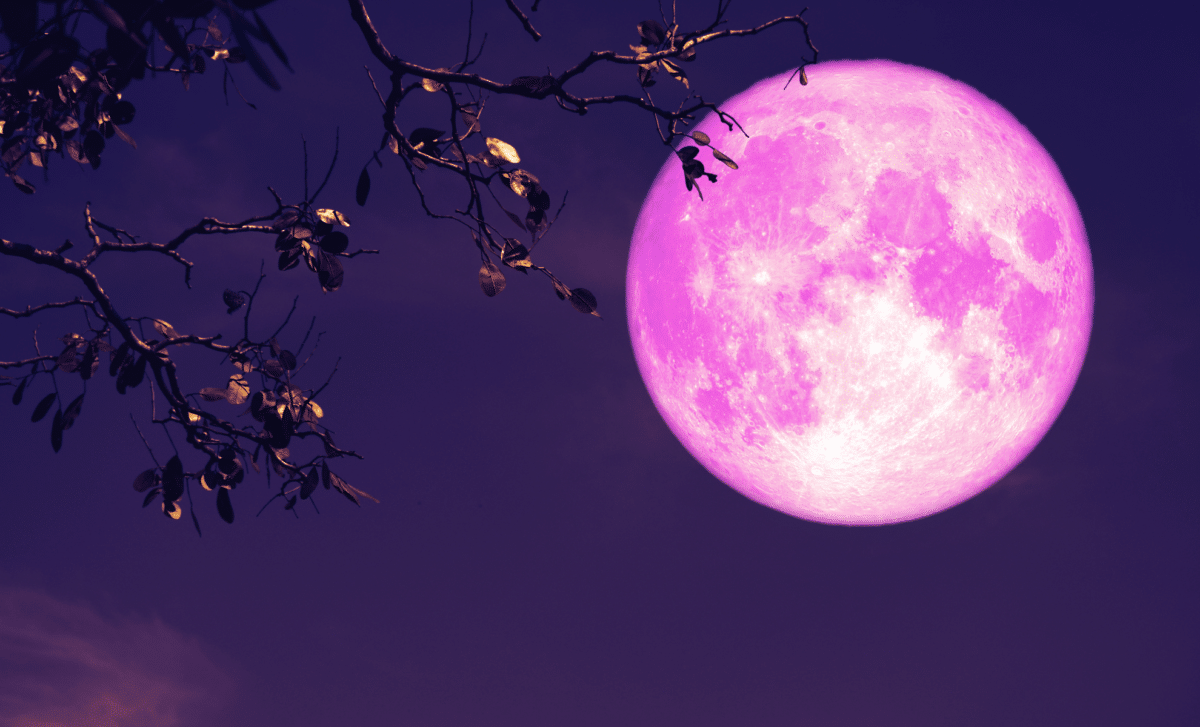
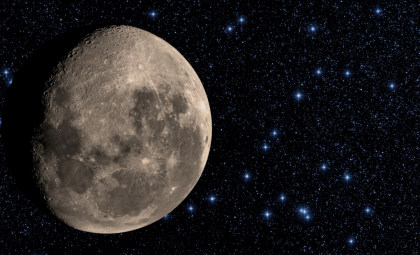
The April 2026 full moon, famously called the “Pink Moon,” promises a night sky spectacle that both astronomy enthusiasts and casual viewers will cherish. This year’s occurrence is especially remarkable as it coincides with Easter Sunday and features a close alignment with Spica, one of the sky’s brightest stars. Whether you’re an expert astronomer or simply intrigued by celestial events, the Pink Moon’s blend of beauty and uniqueness will captivate your attention.
Understanding the “Pink Moon” Phenomenon
Although termed the Pink Moon, the moon itself won’t display a pink hue. The name is inspired by the pink wild phlox flowers that bloom across North America during spring. Nonetheless, this lunar event is visually spectacular. The Pink Moon will be fully illuminated and rise just after the sun sets, dressing the horizon in a mystical light. In certain locations, the moonrise will perfectly coincide with sunset, producing a rare scene where both the moon and the sun appear together, bidding farewell to the day.
It is this extraordinary interplay between the fading daylight and the bright moonrise that gives the Pink Moon its striking allure, coloring the evening sky with dramatic twilight shades.

The Cultural and Astronomical Importance of This Full Moon
The 2026 Pink Moon holds significance beyond its stunning appearance. Its timing has deep cultural and astronomical relevance. Falling on April 1, 2026, this full moon is also the Paschal Moon, marking the first full moon after the spring equinox. According to Christian tradition, Easter Sunday is celebrated on the Sunday following this lunar event. In 2026, this means the Pink Moon sets the tone for Easter festivities on April 5, an uncommon convergence that enriches the occasion’s meaning.
As highlighted by Forbes, the link between the Pink Moon and Easter underscores its integral role in the historical method of determining the holiday’s date, enhancing its significance for observers of both natural cycles and faith.
Best Viewing Tips for the Pink Moon
To fully appreciate the Pink Moon, knowing when and where to observe it is essential. Its most spectacular phase is during moonrise, when it appears just above the eastern horizon. Seek out an area with a clear, unobstructed eastern view, such as a hilltop or waterfront. Here are moonrise times for prominent U.S. cities on April 1:
- New York: Moonrise at 7:15 p.m. EDT; sunset follows closely at 7:20 p.m. EDT.
- Los Angeles: Moonrise and sunset both occur at 7:13 p.m. PDT.
According to Forbes, these timings provide the perfect window to witness the awe-inspiring spectacle of the sun and moon exchanging the sky.
Uncommon Alignment with Spica Star
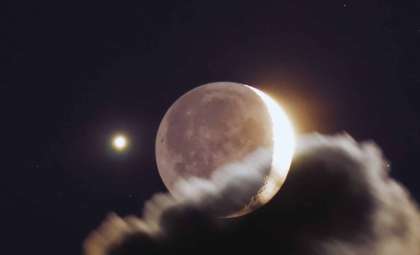
Enhancing the wonder, on April 2 the Pink Moon will come within two degrees of Spica, the 16th most luminous star visible from Earth. This rare event offers extraordinary opportunities for both novice and veteran stargazers. The moon’s proximity to Spica serves as a helpful beacon, making it easier to locate the star. By following the Big Dipper’s handle, observers can trace a path from Arcturus to Spica, using the moon as a natural guide.
Stargazing enthusiasts will enjoy this chance to spot Spica with greater ease, as noted by Forbes, while sharing the excitement and educational value of this unique conjunction under the night sky.
- Categories:
- News





0 comments
Sign in to Comment