
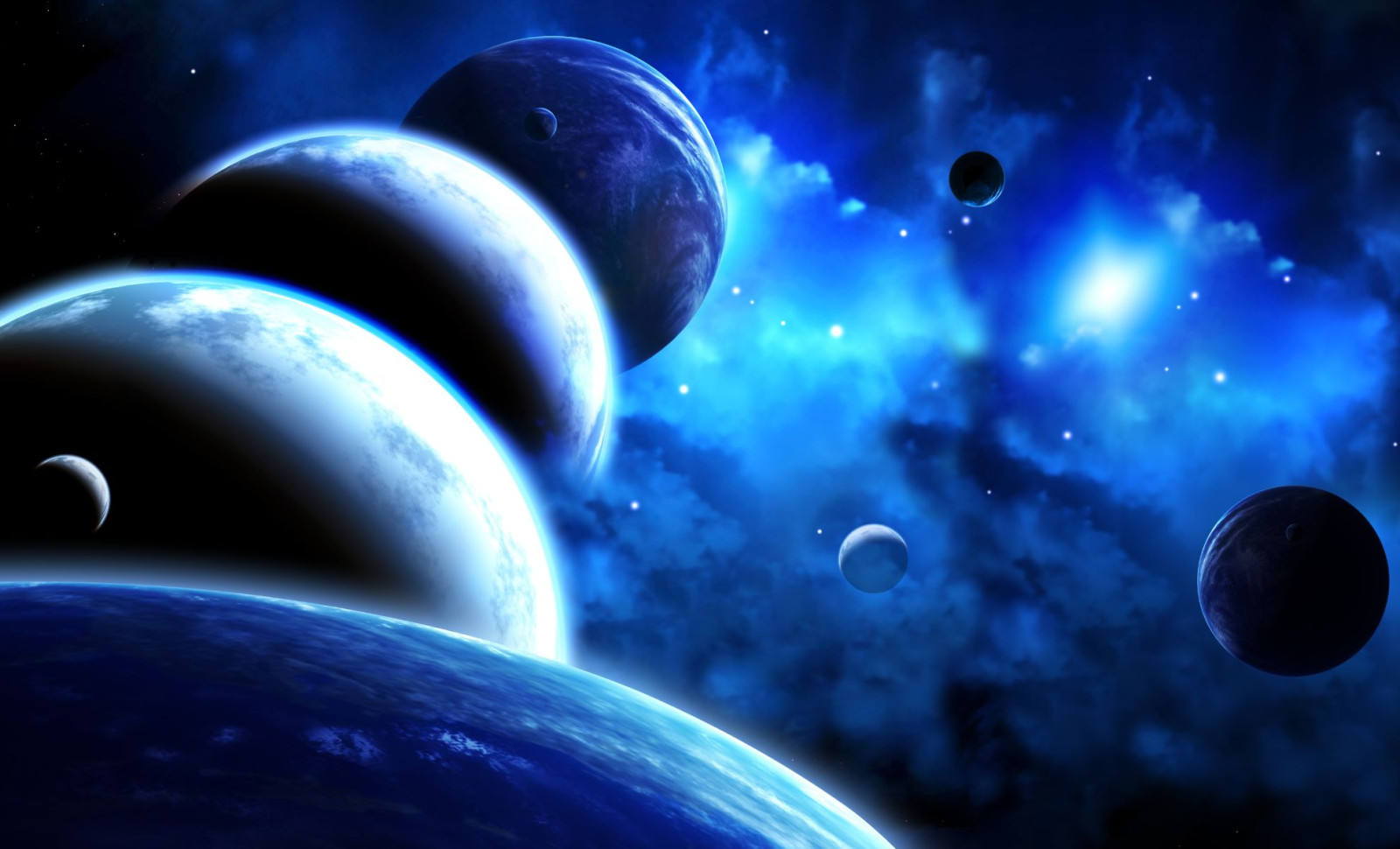
February 2026 offers stargazers an extraordinary lineup of celestial events, from a radiant Snow Moon to a rare gathering of six planets. With careful observation and the appropriate equipment, enthusiasts can enjoy multiple conjunctions, occultations, and deep-sky wonders throughout the month.
This month caters to both amateur skywatchers and seasoned astronomers, combining easily visible phenomena with more intricate astronomical occurrences. Starting with the bright full moon, February progresses toward impressive planetary configurations and lunar close approaches across the night sky. Some can be enjoyed unaided, while others require telescopes or advanced photographic instruments.
Illuminated Moons and Close Encounters Among Planets
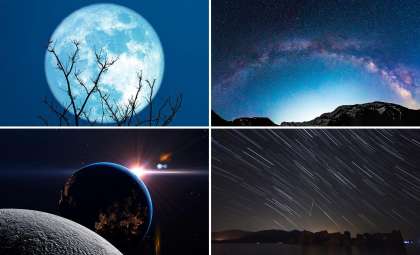
The first major event is early in the month. On February 1, the full Snow Moon will brighten the evening sky, making it an excellent opportunity for observers and photographers alike. As highlighted by Live Science, binoculars with 10×42 magnification or larger 15×70 models mounted on tripods enhance the experience, while beginner telescopes between 3 and 5 inches in diameter can reveal intricate lunar surface details.

Mid-month, on February 15, a noteworthy conjunction occurs between Saturn and Neptune. Since Neptune is too faint for naked-eye viewing, a telescope with an aperture between 6 and 8 inches is essential to admire its dim bluish hue.
February 17’s new moon ushers in the darkest skies of the month, ideal for deep-sky exploration. According to the same source, celestial objects like the Orion Nebula, the Andromeda Galaxy, and the Milky Way become more visible under these moonless conditions with limited light pollution.
Double Astronomical Treats on February 19
One of the busiest nights occurs on February 19, when the crescent moon aligns closely with Neptune and Saturn. The best time to observe this grouping is soon after sunset, between 6 and 7 PM EST. While Neptune requires a telescope to be seen, larger apertures will provide clearer views of Saturn’s rings.
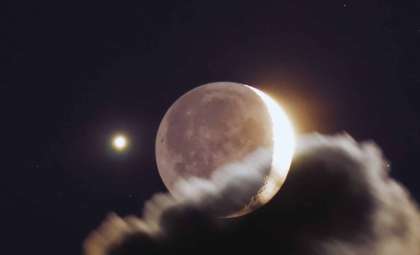
Later that evening, Mercury joins the scene. Positioned low in the western sky, Mercury and the moon will be visible side by side during Mercury’s greatest eastern elongation, the optimal period for viewing in February. The 7 percent illuminated moon will briefly occult Mercury, a rare event that binoculars with about 10x magnification can capture.
Just days later, on February 23, the moon will move across the Pleiades star cluster, creating a slow occultation visible between 10:00 PM and 12:15 AM Eastern Time, depending on your location.
The Month’s Highlight: A Six-Planet Lineup
As February ends, Jupiter takes center stage again. In the early hours of February 27, the gas giant will align near a moon illuminated at 79.5 percent, visible to the naked eye from about 1:30 AM Eastern Time. Those with binoculars or telescopes will have the bonus of watching Jupiter’s moons, some of which will be occulted by the moon.
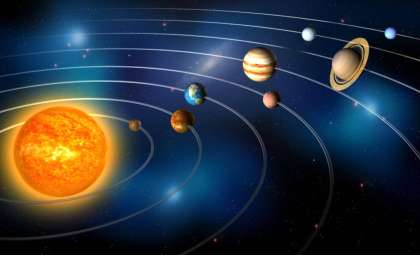
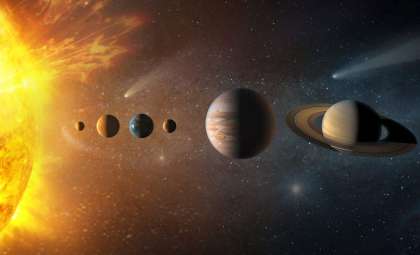
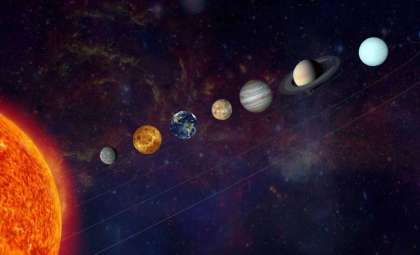
The grand conclusion of the month occurs on February 28, when six planets—Mercury, Venus, Jupiter, Saturn, Uranus, and Neptune—will line up across the sky. As per Live Science, the four inner planets are visible without optical aids, while Uranus and Neptune require a telescope for clear observation.
- Categories:
- News





0 comments
Sign in to Comment