
A California startup aims to extend daylight on Earth through space-based technology. Reflect Orbital has revealed an ambitious plan to deploy a network of 4,000 large solar mirrors in orbit that would reflect sunlight onto targeted regions during twilight hours. This approach is intended to boost productivity in sectors like agriculture, energy, and urban environments by prolonging usable daylight.
However, this vision is raising red flags among astronomers and environmental groups who warn about potential disruptions to Earth's natural cycles beyond mere interference with night sky visibility. As detailed by Space.com, the project has ignited mixed reactions ranging from excitement to caution.
How the Satellite Mirror Array Would Generate Nighttime Illumination
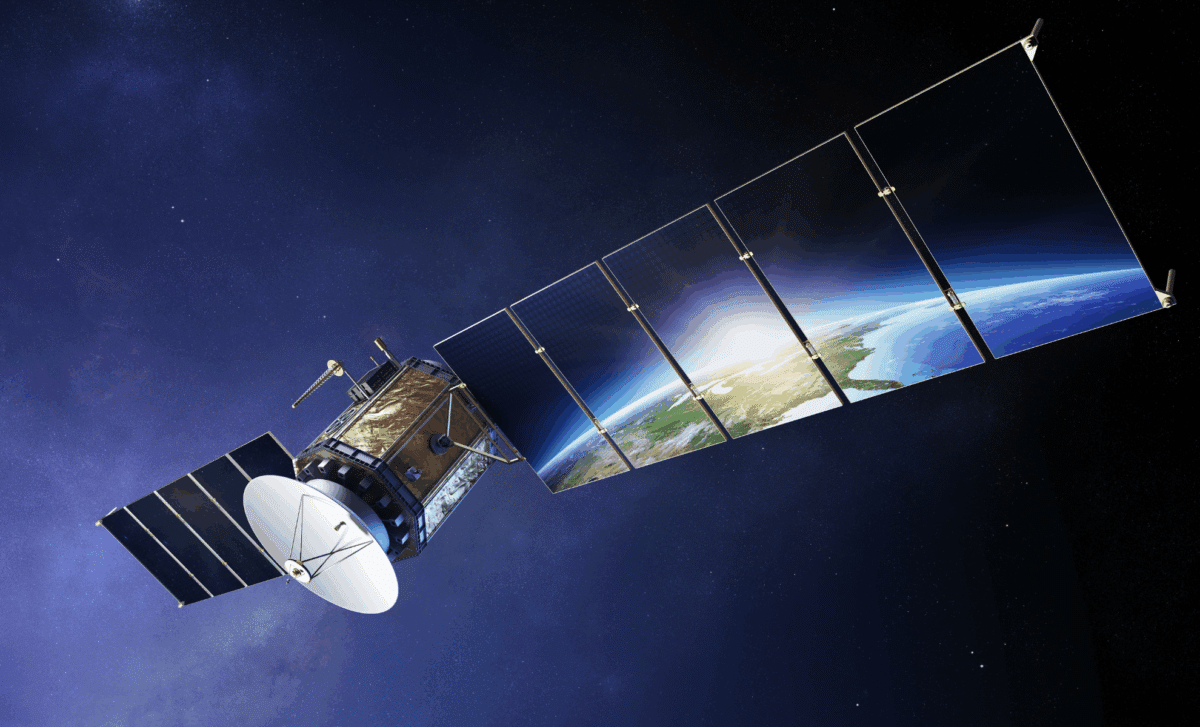
Reflect Orbital plans to begin with their EARENDIL-1 demonstration satellite, deploying reflective solar panels in low-Earth orbit positioned to bounce sunlight onto the planet’s surface before dawn and after dusk. These 60-by-60-foot mirrors would maintain a sun-synchronous orbit, tracking the terminator line between night and day. If realized, this system could dramatically alter nighttime experiences by supplementing natural light.

The company foresees applications where solar power extends beyond sunset, agricultural fields enjoy lengthened growing periods, urban areas conserve electricity, and emergency response sites remain brightly lit during dark hours. Reflect Orbital reports that the FCC license has helped generate “substantial interest from commercial and governmental collaborators,” with the pilot funding secured and more than 250,000 service requests already logged.
Reflect Orbital insists their lights will be precisely targeted, illuminating only a 5-kilometer radius at any given time and moving on promptly once the area’s no longer under focus. Despite these assurances, critics remain skeptical.

Astronomers Warn of Grave Consequences for Nighttime Sky Observation
The scientific community studying the night sky is concerned that this initiative could severely hamper astronomical research, which is already challenged by the proliferation of satellite networks like Starlink. The fundamental difference is that Reflect Orbital’s objective is to intentionally enhance sky brightness.
Robert Massey, Deputy Executive Director of the Royal Astronomical Society, cautioned about the precedent this sets.
“The central goal of this project is to light up the sky and extend daylight and obviously, from an astronomical perspective, that’s pretty catastrophic,” Massey told Space.com.
Massey highlighted that unlike other satellite constellations which cause unintentional light pollution, this plan places brightness enhancement at its core.
Astronomer John Berentine from Silverado Hills Observatory and Dark Sky Consulting noted the reflectors’ light will persist
“will be directing their light [even after they pass their target] because obviously they can’t shut that off.”
He emphasized the reflected illumination will be “four times the brightness of the full moon.” Operating in tight formation, these satellites will illuminate not only their primary targets but also nearby areas due to atmospheric scattering, raising concerns for wildlife habitats, human health, and clear night sky observations.
Ecological and Human Health Implications of Increased Night Lighting
Beyond astronomy, artificial nighttime light influences ecosystems profoundly. Research increasingly links such light pollution to disrupted bird migrations, declining insect populations, and growing issues with human sleep quality.
Even though Reflect Orbital claims the illuminated regions will emit only a “gentle, moonlike radiance,” ecologists warn that any artificial extension of daylight disrupts the natural circadian rhythms essential to countless species’ survival and reproduction.
As Space.com reports, conservation groups like BugLife associate increased night illumination with higher rates of depression, insomnia, and confusion among pollinating insects. Extending daylight in this way challenges the evolutionary cycles that have persisted for billions of years.
- Categories:
- News













0 comments
Sign in to Comment