

While the Ancient Greeks are widely admired for their cultural and scientific achievements, recent discoveries uncover a hidden aspect of their legacy: environmental contamination.
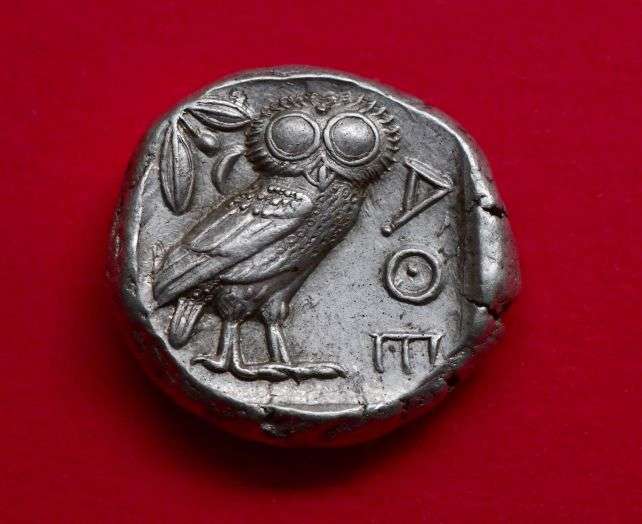
Researchers have identified that the Lavrion silver mines, active over 5,000 years ago, released lead pollutants into the Aegean Sea. This represents one of the earliest recorded cases of human-driven environmental pollution.
Tracing the Origins of Ancient Contamination
A collaborative study by German and Greek scientists analyzed sediment cores extracted from the Aegean Sea. These layers beneath the seabed hold a detailed record of past ecological changes, helping researchers pinpoint when lead contamination first appeared.

“Since lead is released during silver refining processes, rising lead levels serve as a key marker of ancient socio-economic developments,” explains paleoscientist Andreas Koutsodendris from Heidelberg University.
The findings reveal anthropogenic lead contamination dating back approximately 5,275 years, pushing back previously recognized timelines by more than 1,200 years. This places pollution alongside the rise of the Bronze Age and early metallurgy.
Patterns of Industrial Pollution in Ancient Times
Unexpectedly, the team detected minimal lead pollution during the majority of the Bronze Age, despite intensive metalworking during this era. However, a sharp increase in contamination occurred around 2,225 years ago, coinciding with Rome’s domination of Greece.
“This surge aligns with Roman control over Hellenistic Greece, as they exploited local resources extensively,” notes archaeologist Joseph Maran, also from Heidelberg University.
Massive deforestation accompanied this period, as timber was heavily consumed to support smelting operations, intensifying environmental harm.
Environmental Impact on Ancient Societies
By studying pollen deposits, scientists traced shifts in land usage and agriculture. The transition from pastoralism to a cash-based economy triggered rapid clearing of forests and widespread land degradation.
This transformation contributed not only to habitat loss but also affected human well-being. Lead exposure from mining and metal production is linked to neurological and chronic health problems. Additionally, lead pipes used in Roman plumbing systems likely caused widespread poisoning among populations.
Legacy of Early Anthropogenic Pollution
The research published in Communications Earth & Environment highlights how ancient civilizations altered their surroundings in ways reminiscent of industrial pollution today. Contrary to the belief that environmental crises are modern phenomena, this study demonstrates thousands of years of human ecological impact.
“The integration of Greek territories into the Roman Empire allowed extensive resource exploitation, including an unprecedented ramp-up in mining for precious metals,” the authors state.
Understanding these ancient environmental pressures can guide current efforts to pursue growth that respects ecological limits, helping prevent repetition of such damage on an even larger scale.
- Categories:
- News












0 comments
Sign in to Comment