
For decades, pupils at a Rome high school exchanged tales about a secret Roman villa lying beneath their gym. What was once dismissed as mere myth became reality when a group of students and their teacher uncovered a wonderfully preserved Roman villa buried under the school.
Experts have since authenticated the find: a second-century dwelling adorned with intricate frescoes, mosaics, and authentic stucco elements. This archaeological marvel, now named the Domus Liceo Cavour, sits just a stone's throw from the iconic Colosseum.
At Liceo Scientifico Cavour in central Rome, whispers about an underground secret space had circulated among generations of students. Although many educators remained skeptical, a teacher and students gained access during a prolonged school protest, leading to the discovery.

A Locked Door Unveils a Hidden Roman Treasure
The school’s official statement detailed how history and Latin teacher Claudia Marino and several students came upon a locked iron door. After locating the key, they entered an old boiler room packed with disused machinery—and what they uncovered next astonished them.
“For now, the house has been named the Domus Liceo Cavour pending further excavations, which are expected to help determine with greater certainty when it was built and who its owners were,” said the researchers.
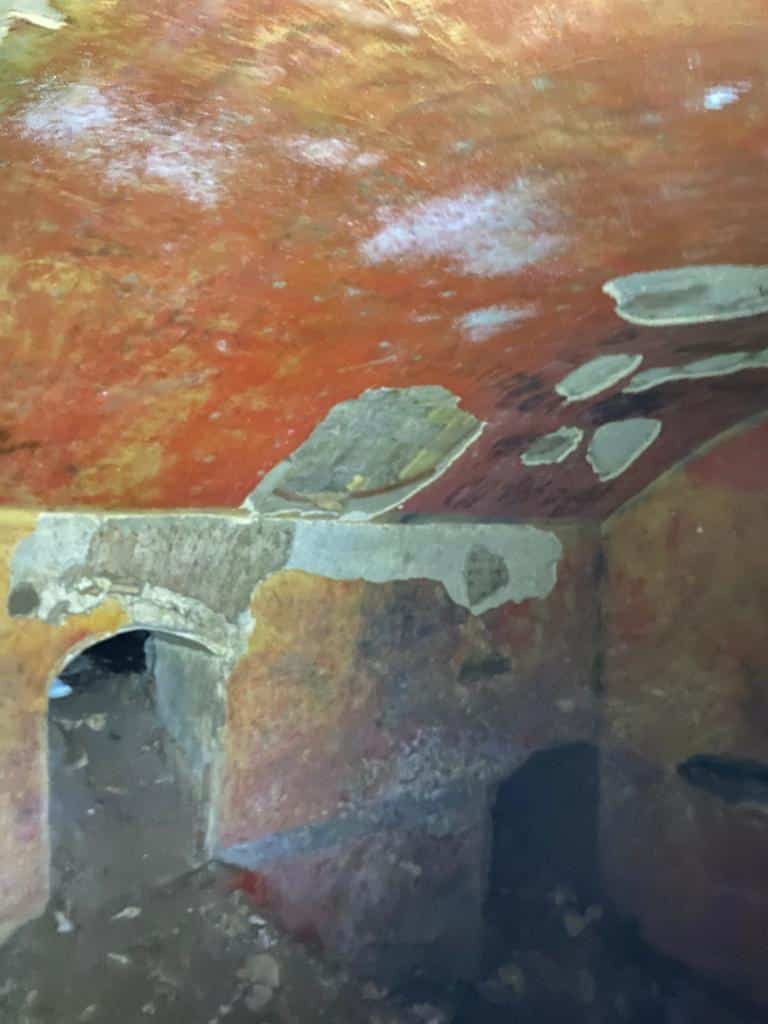
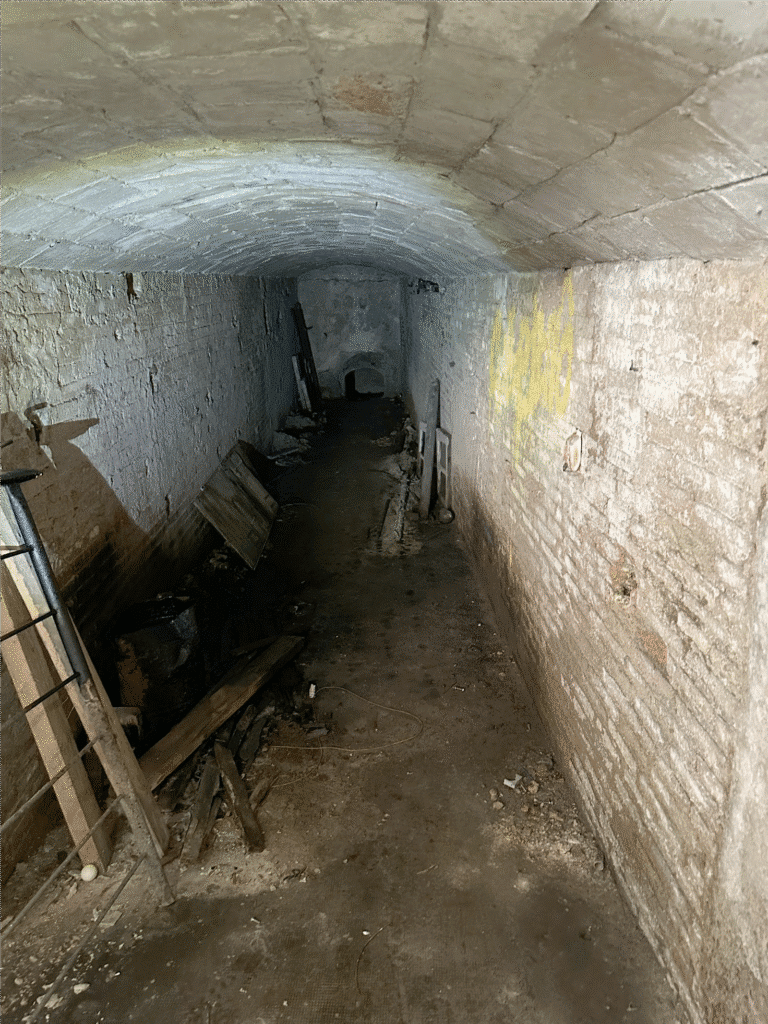
Behind the abandoned equipment, school staff recognized ancient Roman walls. The group squeezed into a narrow passage, revealing a concealed Roman villa that had remained hidden for many decades.
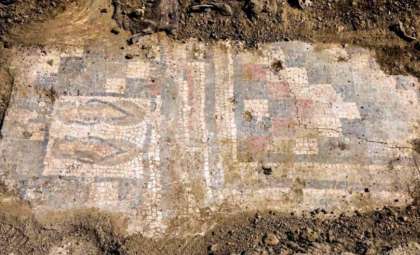
The interior features arched ceilings with original stucco work, walls decorated with floral and pictorial frescoes, and mosaic-covered floors. This villa had been locked away in darkness, preserving its remarkable condition. Following the discovery, archaeologists from the Special Superintendency of Rome began their investigation.
Excavations Reveal an Affluent Roman Residence
Work began in January 2026, with an official unveiling on May 28. Investigators confirmed the property is a Roman domus constructed during the mid-Imperial era, probably dating to the second century C.E. The villa is formally identified as the Domus Liceo Cavour.
The team suspects the dwelling may have belonged to the Umbrius family, possibly connected to the Samnium area in south-central Italy.
Archaeologists have recovered 48 crates filled with artifacts. Among these is a mosaic composed of large, irregular tiles, a popular design technique in the second century C.E. Wall frescoes and stucco embellishments have also been preserved up to the vaulted ceilings.
According to information from the Italian Ministry of Culture, inscriptions on lead pipes bearing the names L. Fabius Gallus and Umbria Albina were discovered. It remains under study whether these individuals were affiliated with the villa.
“Given the spectacular state of preservation of all the paintings within these rooms, it is essential that they be fully excavated to reveal the entire decorative scheme and allow for its detailed documentation,” the ministry said in a statement.
The Villa's Secret History and Long-Standing Mystery
Although hidden, the villa was never entirely lost to memory. The building housing the school was erected between 1865 and 1885 as the base for a Catholic missionary group. During construction, workers documented parts of the ancient structure and alerted authorities, but historical records cease after that.
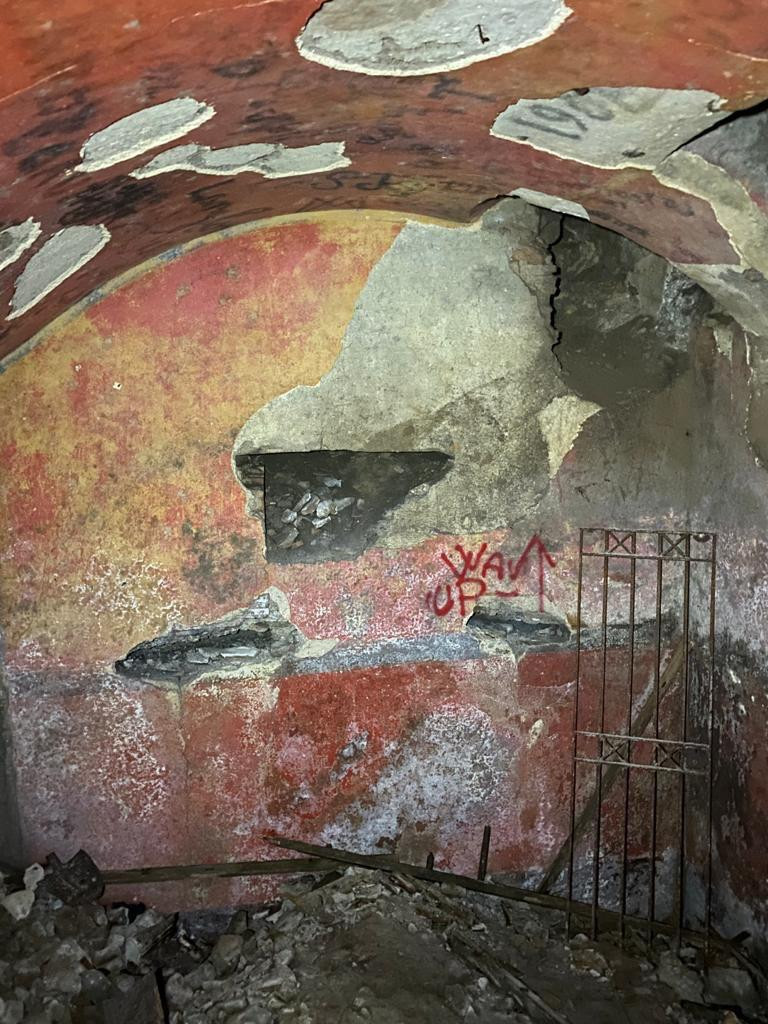
Evidence suggests that access to the villa continued intermittently. Graffiti dating to the 1940s and 1950s adorn the walls, predating the school’s opening in 1962. Additionally, more recent spray paint hints that some students might have been aware of the subterranean rooms for years.
According to the excavation team, only a fraction of the villa has been unearthed so far. Archaeologists believe that the remains may extend beneath the school’s courtyard, indicating further hidden discoveries await.
- Categories:
- News







0 comments
Sign in to Comment