
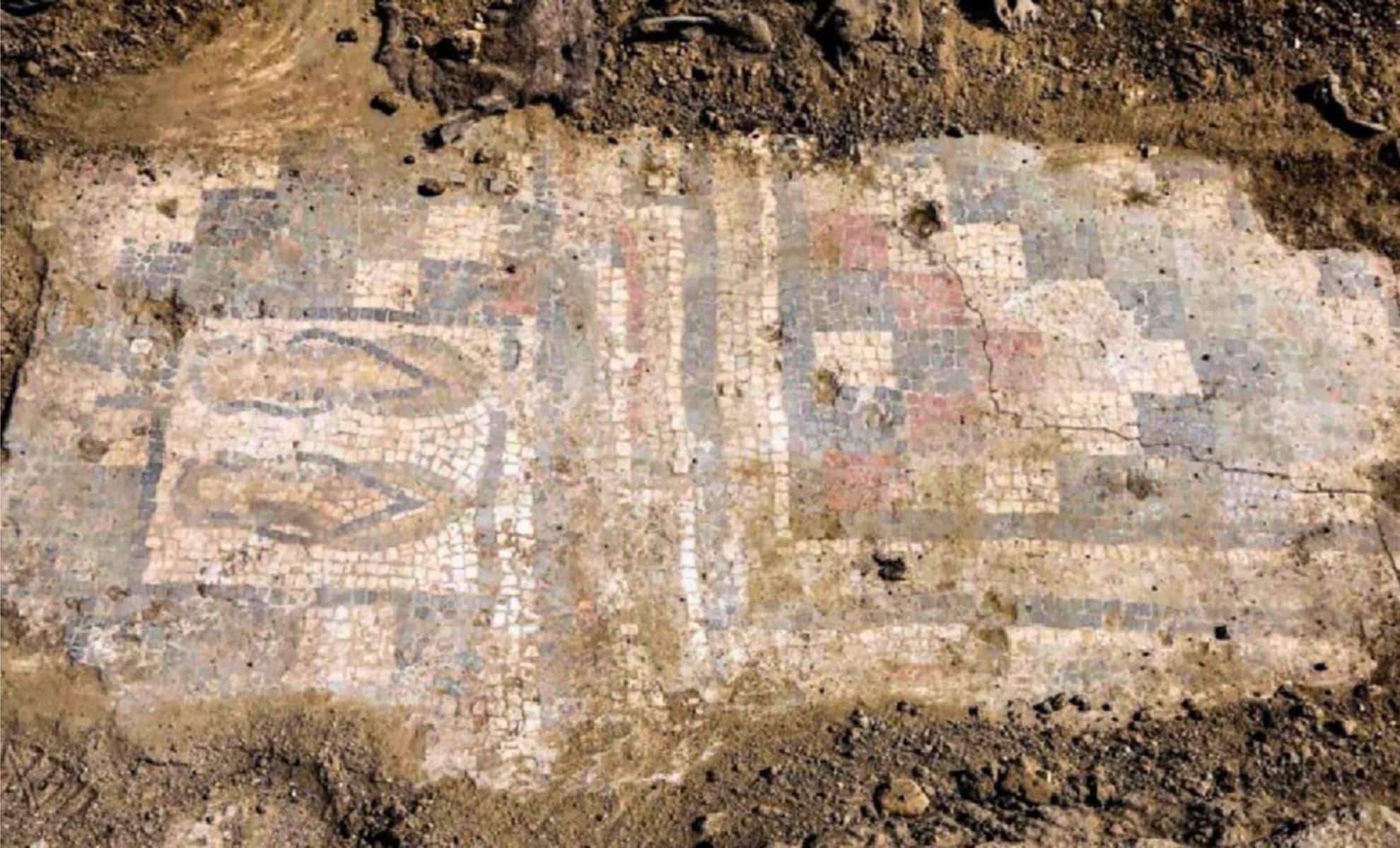
During recent excavations at the Villa Romana del Casale in Sicily, archaeologists have uncovered a remarkable 4th-century mosaic illustrating a pair of sandals that closely resemble today’s flip-flops. This fascinating discovery forms part of a comprehensive study led by the Parco Archeologico di Morgantina e Villa Romana del Casale, conducted in partnership with the University of Bologna and Italy’s National Research Council (CNR).
An Ancient Footwear Image That Resonates Today
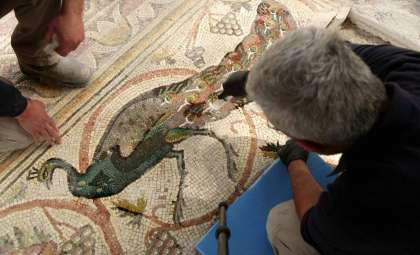
The mosaic depicting the sandals was uncovered within the southern bath area of the villa during the 2024 excavation season run by the ARCHLabs Summer School, a hands-on archaeological training program. As detailed on the official blog of the site, the mosaic panel dates back to the late Roman period and was discovered beneath layers of sediment and mud left by ancient floods.
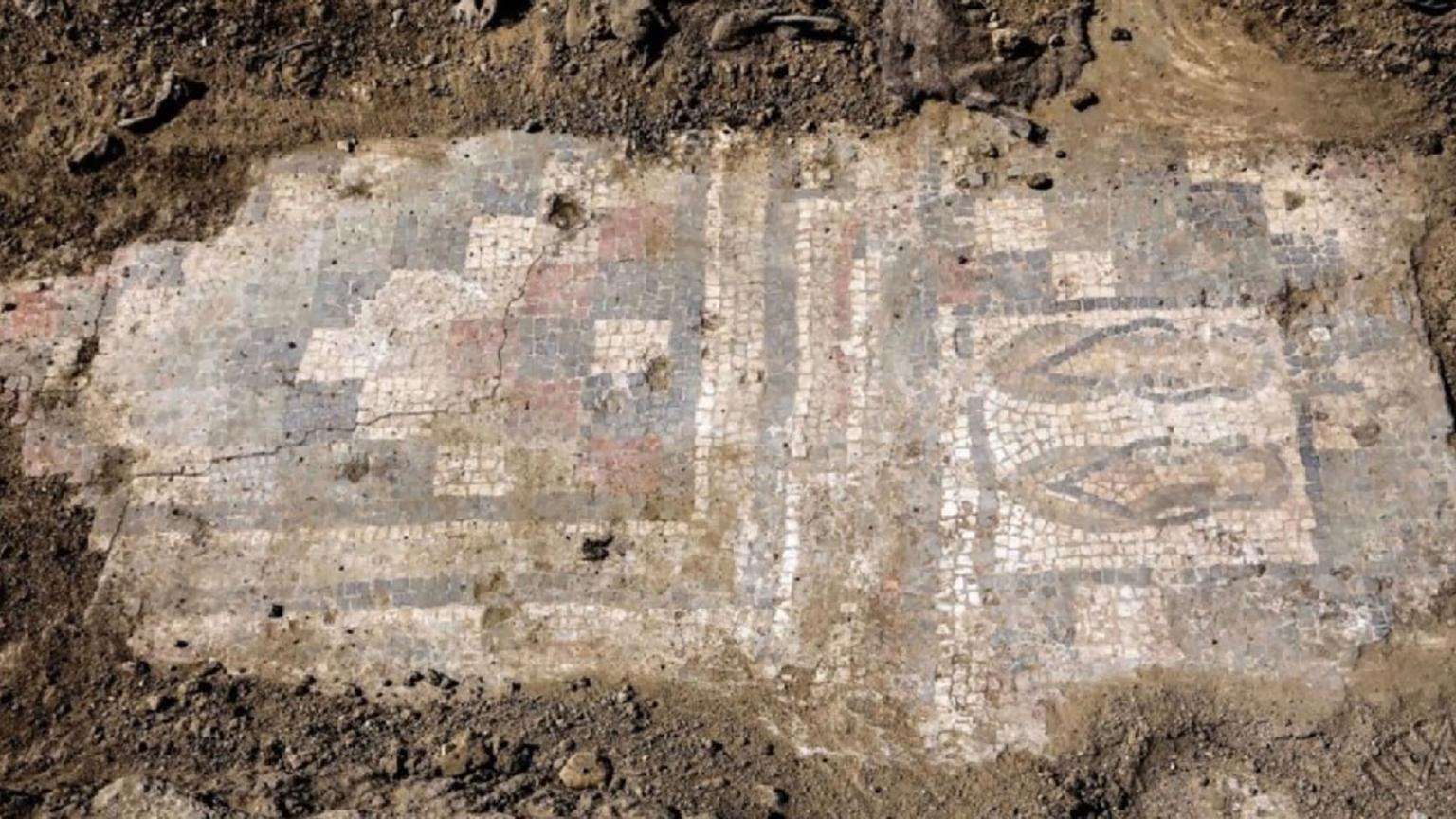
The artwork shows two open-toed sandals featuring flat bases and Y-shaped straps, almost identical to modern flip-flops. Although this image may seem surprisingly contemporary, it accurately portrays the casual footwear often worn in Roman Mediterranean society. The fine detail and placement within a geometric frame highlight the artisans' skill and attention to everyday objects.

Experts suggest the mosaic was part of an elaborate decorative scheme within the villa, where depictions of common life intertwined with mythological and symbolic themes.
Continuing the Villa's Rich Tradition of Mosaic Art
The Villa Romana del Casale, a UNESCO World Heritage Site, has long been famous for its intricate mosaics, including the iconic “Bikini Girls” and the extensive “Great Hunt” corridor stretching 60 meters. This latest find, although more modest in size, sheds fresh light on the tastes and daily realities of the Roman aristocracy. Archaeologists from the University of Bologna remarked that “depicting sandals in this way, while unexpected or charming, aligns with the Roman practice of weaving ordinary scenes into decorative art.”
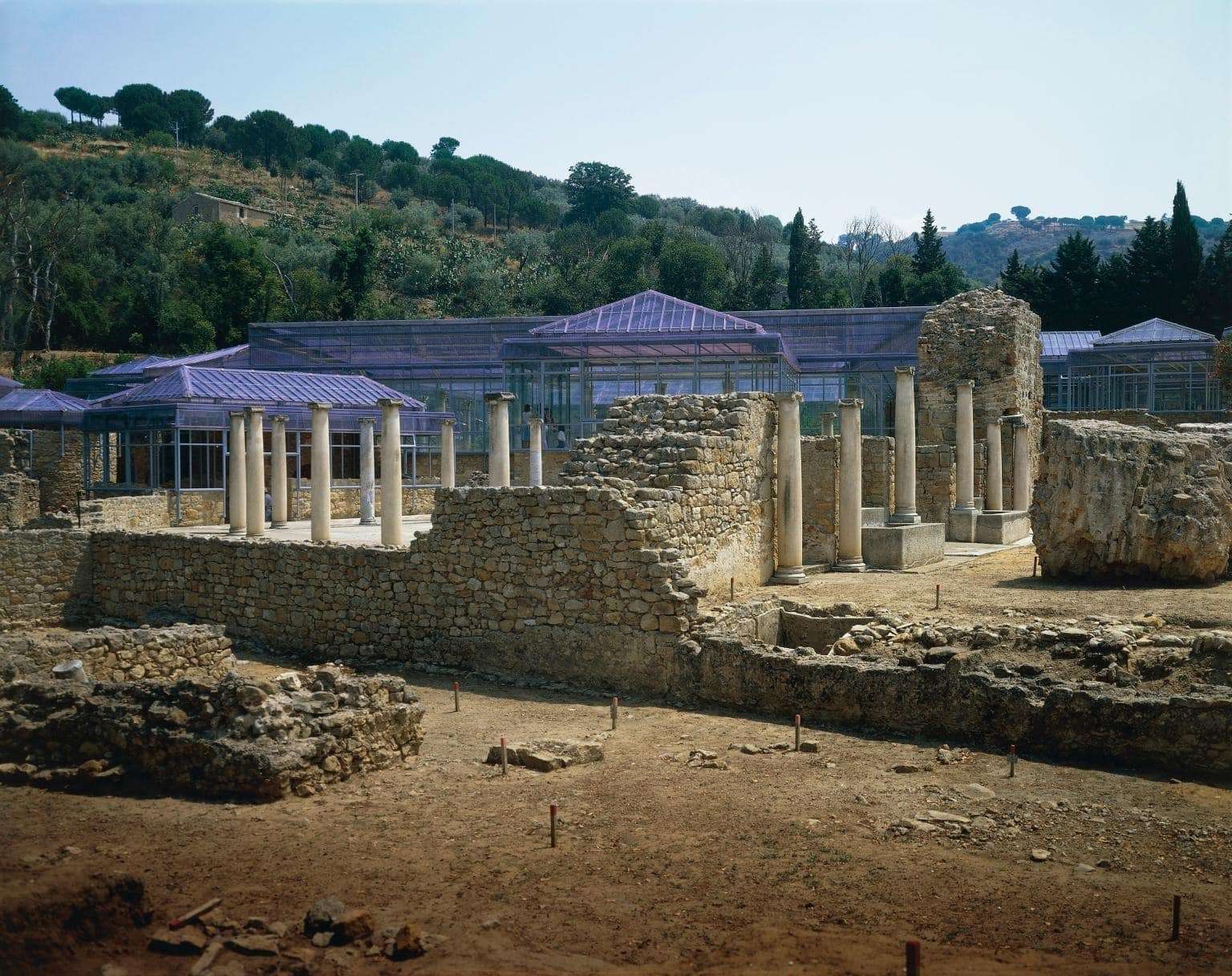
The bathhouse sector, where the mosaic was located, also produced three Corinthian columns and an inscribed Latin script, underscoring its significance within the estate. These discoveries support the view that the baths were not only functional areas but also ornately adorned spaces reflecting its owners’ luxury, elegance, and cultural sophistication.
Interdisciplinary Approaches Driving New Insights
This season’s dig forms part of the ARCHLabs initiative, a multidisciplinary research effort combining archaeological fieldwork, architectural assessment, and material sciences. Participants from several nations engaged in the excavation, gaining valuable hands-on experience at one of Europe’s premier archaeological sites.
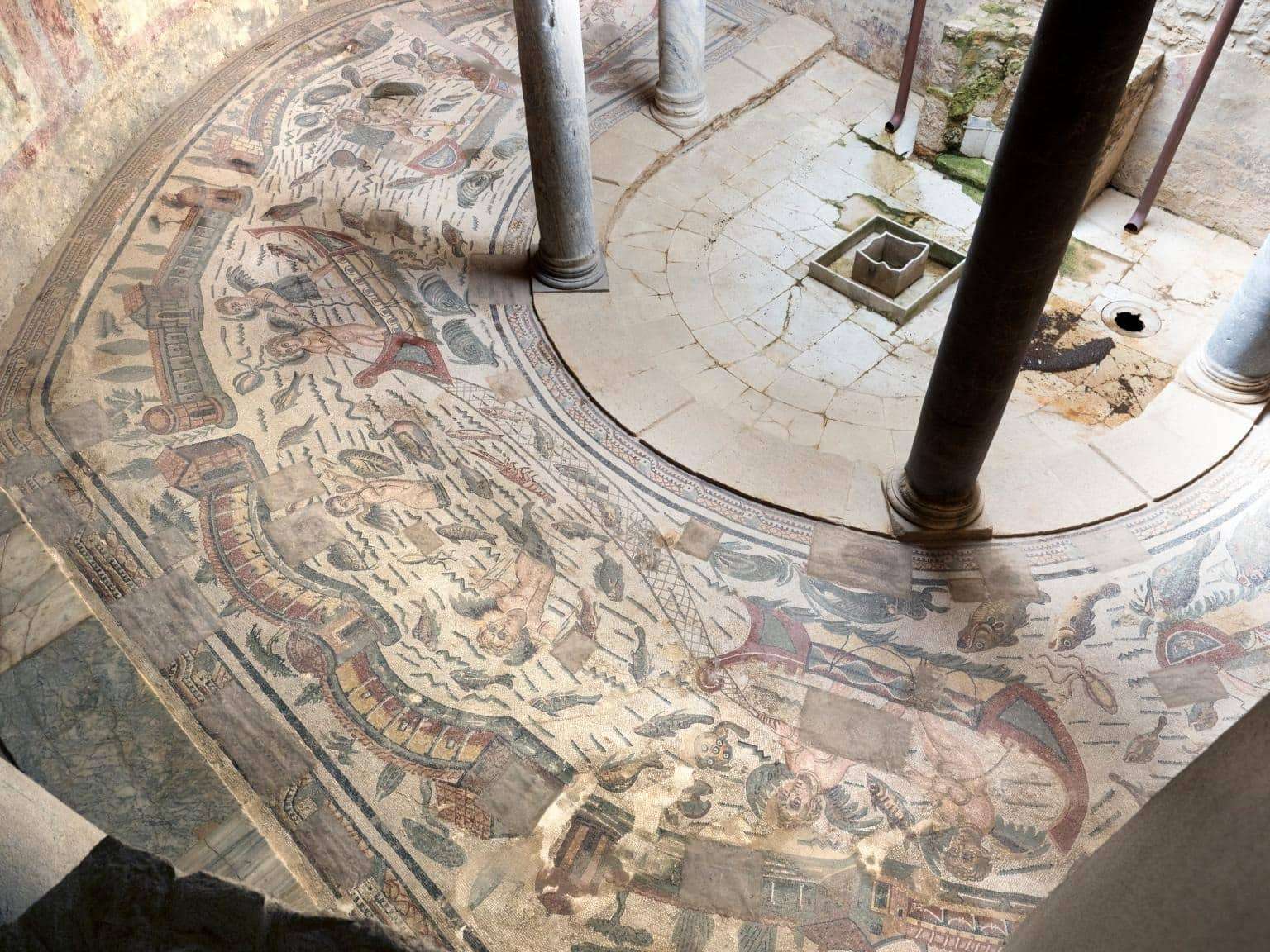
Researchers focused particularly on the layered preservation of the villa’s decorations. Protective floods over centuries left mud and silt layers that shielded the mosaics, including the sandals panel, enabling their remarkable condition after more than 1,600 years.
Insights into Ancient Roman Footwear Design
While the flip-flop-like sandals have caught popular attention, the mosaic also provides rare, authentic evidence of Roman shoe styles used in everyday life. Unlike stylized or symbolic imagery prevalent in temples or government buildings, this design reflects practical comfort from antiquity.
Experts propose that the sandals may have held deeper symbolic value, perhaps connected to ceremonial purification or marking transitions between private and public zones, important concepts in Roman bath culture. They also illustrate the Roman commitment to combining utility with aesthetic appeal, a legacy that has influenced design into modern times.
As excavation efforts continue at Villa Romana del Casale, archaeologists anticipate uncovering more nuanced personal details that enrich our understanding of Roman life and its connection to the present day.
- Categories:
- News









0 comments
Sign in to Comment