
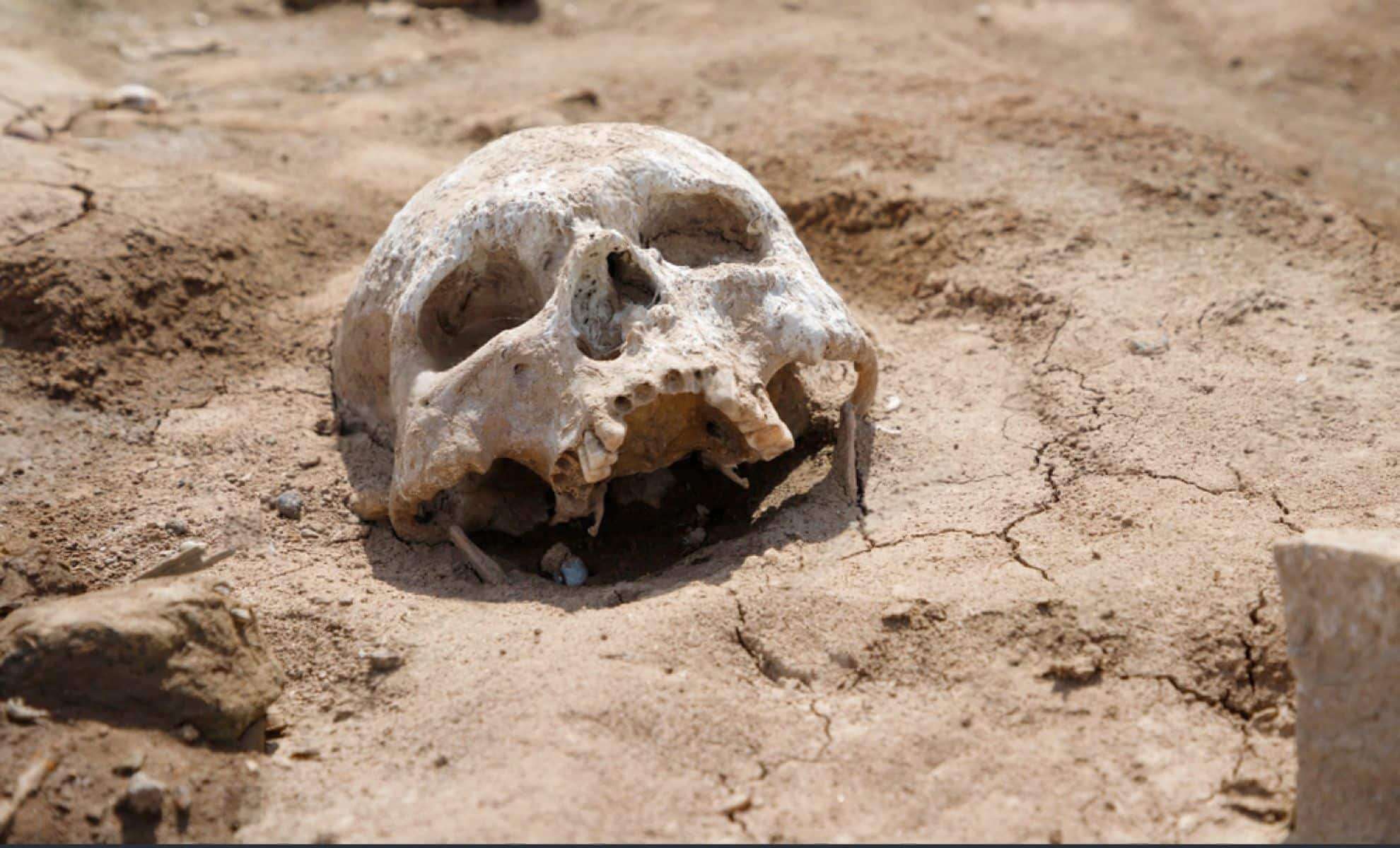
After nearly 30 years, the enigma surrounding a skull discovered on a New Jersey shore in 1992 has been unraveled. This remarkable finding connects us to a seafaring disaster that occurred more than 180 years ago. The remains have been identified as belonging to Henry Goodsell, a sailor who lost his life along with his crew during a fierce storm in 1844.
For many years, the identity of the individual remained unknown, but recent advances in forensic science have finally brought clarity to this long-standing mystery.
Tracing the Origins of the Skull
The skull, found washed ashore on a New Jersey beach in 1992, initially sparked significant intrigue. Early investigations suggested it might have been more recent, yet no conclusive identification emerged. It wasn’t until students at a nearby university applied innovative scientific methods that the true story was revealed.

Employing DNA analysis combined with other forensic approaches, these students traced the remains back to Henry Goodsell, a crewmember aboard a vessel lost to a devastating storm. Their work is a testament to years of meticulous research and the power of evolving technology in solving historical cases.
The 1844 Maritime Disaster
As detailed in a press release from Ramapo College, Goodsell’s demise began with a violent 1844 storm. His ship encountered severe weather that ultimately caused it to wreck, resulting in no survivors. The skull, weathered by nearly two centuries of exposure, remains the sole physical link to Goodsell’s existence.
Researchers confirmed the identity through modern genealogical testing, marking a milestone in forensic science. "Using modern genealogy testing to identify bone fragments from the 19th century is a powerful reminder of our unwavering commitment to resolving cases no matter how old," said Colonel Patrick J. Callahan, NJSP superintendent.
How Forensic Advances Bring the Past to Light
The discovery highlights the increasing impact of forensic technology in historical investigations. Advanced methods like DNA sequencing and isotopic studies now enable scientists to glean critical insights from even highly deteriorated remains.
This progress showcases how modern tools have revolutionized archaeology and forensic disciplines, allowing specialists to crack centuries-old enigmas that once seemed unsolvable.
Significance of Revisiting History
Beyond solving Goodsell’s identity, this revelation enriches understanding of 19th-century maritime life. Seafaring was fraught with peril, and countless sailors perished in storms without documentation. The tragic loss of Goodsell and his crew symbolizes these many untold stories.
For historians and archaeologists alike, confirming Goodsell’s identity offers a meaningful connection to a poignant chapter of shared heritage.
- Categories:
- News











0 comments
Sign in to Comment