

At Gorham High School in Maine, James Welsch teaches American politics mostly through digital platforms. His students engage through blog writing, article exchanges, and real-time video viewing during lessons. However, Welsch noticed a decline in the quality of writing submitted electronically; essays appeared fragmented and often included plagiarized content. The expected smoothness in writing was missing.
To address this, he introduced handwritten drafts for certain classes, stepping back from full digital reliance.
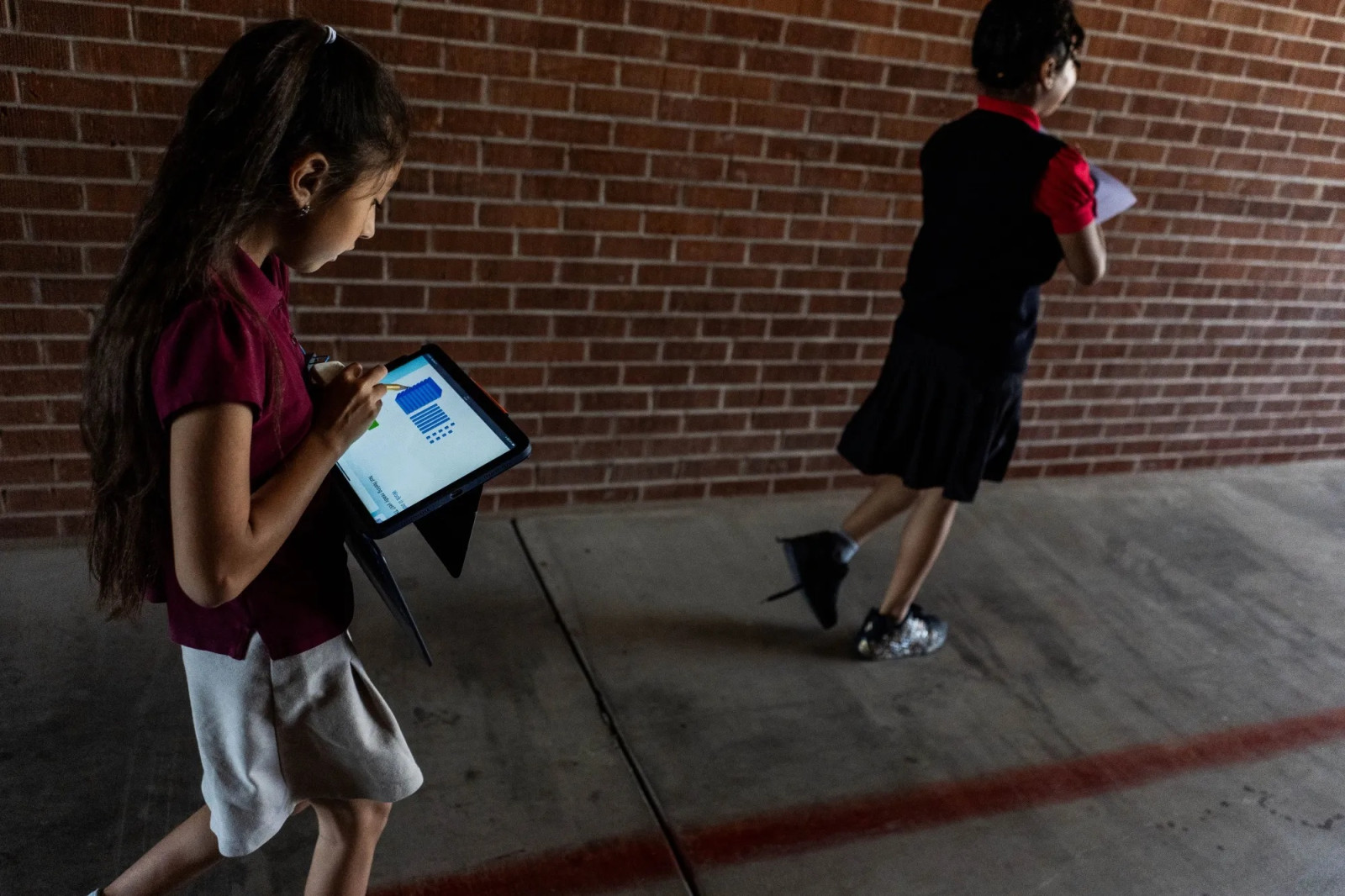
This modest shift reflects the challenges of a two-decade-long national initiative. In 2002, Maine pioneered providing an Apple iBook laptop to every seventh grader, equipping 17,000 students across 243 middle schools. The aim was clear: bridge the digital divide by connecting classrooms to the internet. However, simply adding technology did not equate to educational gains.

Maine's $12 Million Annual Investment Yielded Flat Test Scores
By 2016, approximately 66,000 laptops and tablets were distributed across Maine's schools, costing around $12 million per year, roughly one percent of the state's education budget. Yet, after 15 years, NPR reported that statewide standardized test results showed no significant improvement.
Amy Johnson, an education policy expert at the University of Southern Maine, explained to NPR that the issue was not the technology itself but the way it was implemented. While hardware was provided, teachers often lacked sufficient training to effectively incorporate these tools in instruction. “Seeing stagnant student learning outcomes suggests we need to better support educators in utilizing technology to enhance learning,” she highlighted.
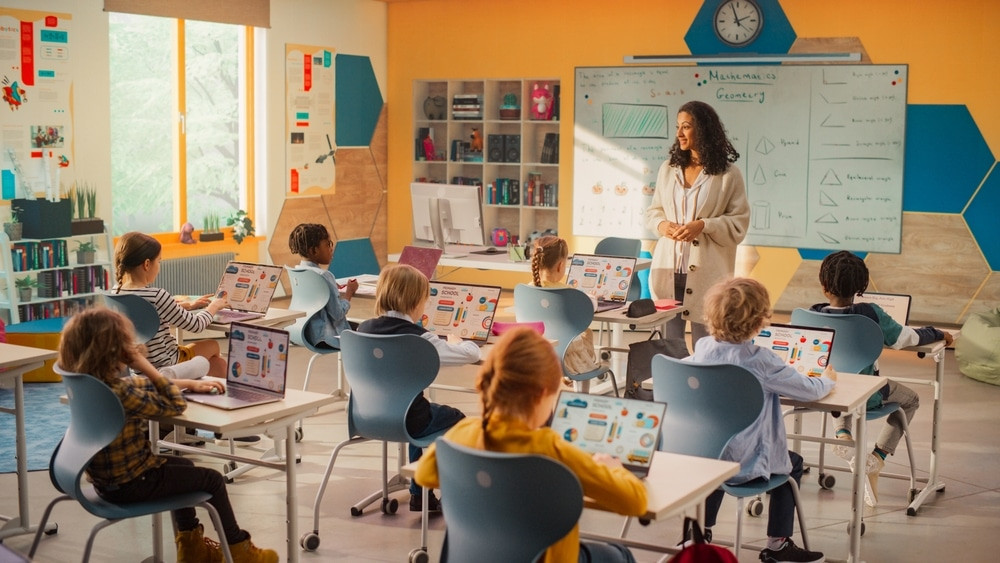
NPR’s investigation also revealed disparities: affluent districts leveraged laptops for innovative and cooperative tasks, while low-income and rural schools limited use to basic applications like PowerPoint and Word. A program meant to reduce inequality inadvertently exacerbated it.
Former Governor Paul LePage bluntly labeled the program a “massive failure,” a verdict later highlighted by Fortune as one of the harshest political assessments.
National Adoption Followed Maine's Example
While Maine started the trend, the widespread embrace of educational technology quickly followed. In February 2026, Bloomberg reported that U.S. schools spent about $30 billion on digital learning tools in 2024—ten times more than they spent on textbooks in the same year. Projections estimate this investment could double within six years.
Despite this surge in tech spending, student achievement did not improve. The Bloomberg analysis noted that after decades of rising IQ scores across Western countries, trends reversed roughly 20 years ago. Today’s Generation Z scores lower than their parents on numeracy, literacy, and creativity tests—the first recorded generation to experience such declines.
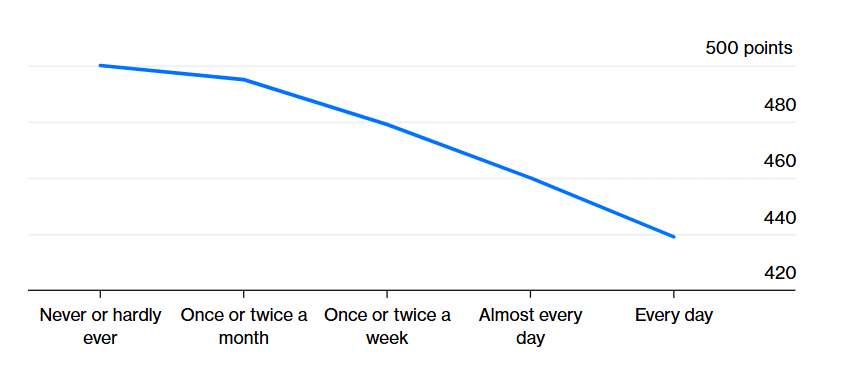
Screen time consumes significant portions of the school day. The EdWeek Research Center's 2021 survey found that 55% of educators reported students spent between one and four hours daily on educational technology, while 27% observed more than five hours. Nearly all teachers said students used some form of tech during class.
Most Laptop Usage Isn’t Focused on Learning
A significant reason more screen time fails to translate to better learning is simple: students often divert their attention.
A 2014 study published in Computers and Education monitored nearly 3,000 university students' laptop behavior, combining direct observation with surveys. It revealed that about 63% of laptop usage during lectures was unrelated to coursework, with surveys confirming a 61% off-task rate. While note-taking was the main on-task use, social media was the top distraction.

The study noted that in large lecture halls, students had little risk of being caught off-task. Though the research involved university settings, the pattern mirrors Welsch's observations in high school, where digital submissions reflected less original thought and more copy-pasting compared to handwritten work.
Design of Apps Encourages Prolonged Use
Research from Baylor University sheds light on why learning content struggles against distractions. Published in 2025 in Cyberpsychology, Behavior, and Social Networking, the study compared TikTok, Instagram Reels, and YouTube Shorts. TikTok scored highest in perceived ease, content relevance, and surprise elements.
Meredith David, a marketing professor at Baylor’s Hankamer School of Business and co-author, explained, “Effortless access is key. Without it, recommendation quality and surprise wouldn’t lead to strong engagement.” TikTok starts playing videos immediately on launch, while others require user action. This seamless experience encourages deeper and more addictive usage.
David noted TikTok's internal research acknowledges users can become addicted in less than half an hour. Their features increase addiction by first boosting user engagement to the point where time perception fades.
A Practical Adjustment from One Educator
While school-issued laptops differ from social media apps, parallels emerge in usage patterns. The U.S. invested tens of billions to equip students with screens, yet the earliest statewide initiative yielded no academic gains. Meanwhile, cognitive decline is emerging among this digitally immersed generation.
At Gorham, Welsch continues to integrate digital tools for blogging and discussions but insists that students produce initial drafts on paper, setting laptops aside to encourage thoughtful, original writing.
- Categories:
- News













0 comments
Sign in to Comment