
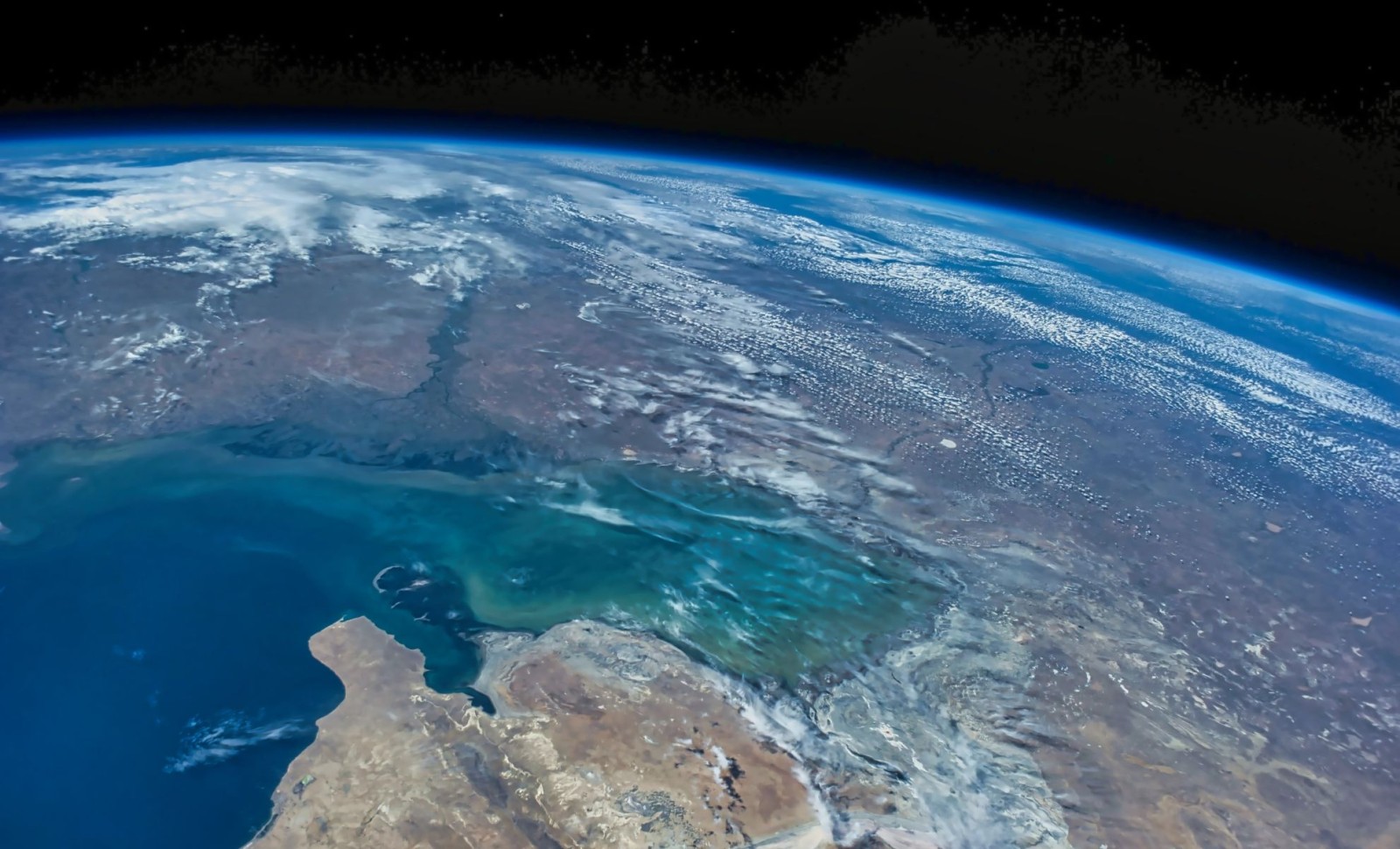
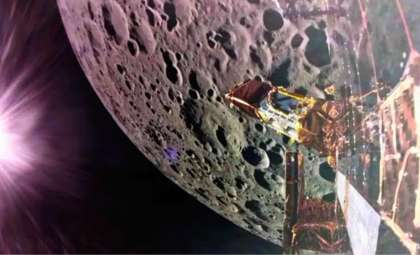
Just before its final impact on the lunar surface, Japan’s Hakuto-R spacecraft captured an awe-inspiring image of Earth during a total solar eclipse. Taken from orbit around the Moon, the photo displays Earth’s gentle curve above the Moon’s landscape, with the eclipse’s shadow sweeping across Australia below.
This photograph holds immense scientific importance. Observing Earth from the Moon’s vantage point during such an event provides valuable data on atmospheric composition and sunlight reflection, making it an important tool for researchers. Although the mission concluded with a crash, the image symbolizes both the immense challenges and remarkable innovations in space exploration.
An Ambitious Mission Ends Prematurely
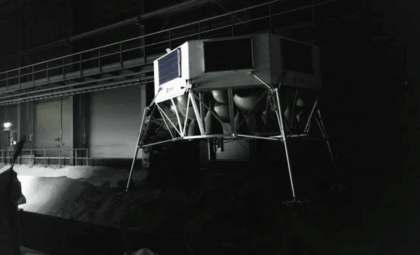
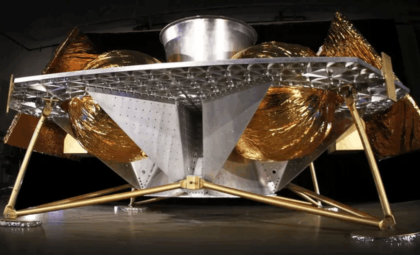
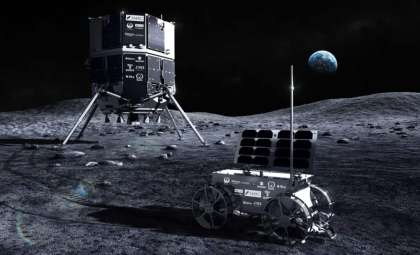
Hakuto-R, developed by Japanese company Ispace, aimed to showcase the capability of a private firm to successfully execute a Moon landing. This compact robotic lander was created to conduct scientific tests and demonstrate commercial potential in lunar exploration. Hitching a ride on a SpaceX Falcon 9 rocket, the spacecraft followed a fuel-efficient but lengthy orbit before approaching the Moon.

After entering lunar orbit, Hakuto-R performed practice braking maneuvers and prepared for touchdown near the Atlas Crater. Unfortunately, in its final descent during late April 2023, contact with Earth was suddenly lost.
Ispace explained that a software malfunction in the lander’s sensors caused an altitude miscalculation after passing a significant lunar cliff. The spacecraft attempted to correct its descent by consuming more fuel but eventually depleted its reserves and crashed onto the Moon. Despite this failure, the mission yielded valuable lessons for the team and the wider lunar exploration community.
A New Perspective on Earth’s Solar Eclipse
Hakuto-R’s remarkable shot of Earth from the Moon’s orbit reveals the rare sight of a total solar eclipse from afar. This vantage point is invaluable for analyzing how the lunar shadow interacts with Earth’s atmosphere from beyond its confines.
The image vividly displays Earth’s rich atmosphere alongside contrasting landmasses and oceans, highlighting dynamic weather formations and prominent polar ice caps. According to Ispace, these observations aid scientists in understanding how light scatters and reflects, improving knowledge of Earth's environmental and atmospheric dynamics.
Challenges in Returning to the Moon’s Surface
Successfully landing a spacecraft on the Moon demands perfect timing, precise altitude measurements, and meticulous navigation. Experts stress that such efforts are complicated further by the Moon’s lack of atmosphere, forcing landers to rely solely on engine thrust to decelerate.
NASA and other space organizations have highlighted the critical need for hazard detection and autonomous adjustments to ensure safe lunar touchdowns.
Ispace has remained determined despite Hakuto-R’s outcome. The company is preparing future missions equipped with rovers and scientific payloads to further explore the lunar surface. Such initiatives mark a growing trend toward commercial space ventures that have the potential to transform how we study and utilize the Moon.
- Categories:
- Space



0 comments
Sign in to Comment