
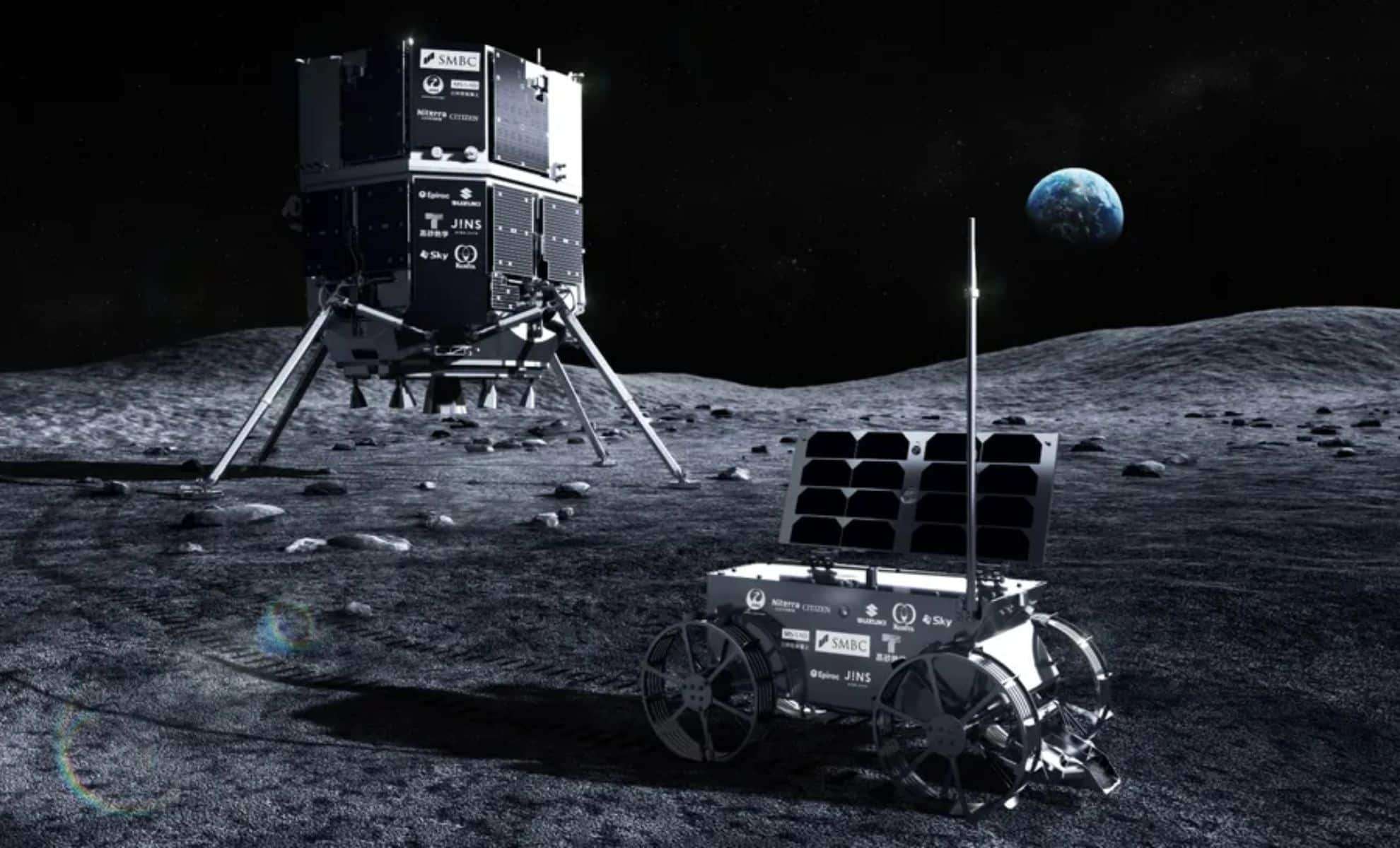
On June 5, 2025, Japan's privately operated spacecraft Resilience suddenly lost all contact with mission control while making a lunar landing attempt. This unforeseen blackout has cast doubt on the fate of its cargo, notably the Tenacious rover, a centerpiece for groundbreaking lunar exploration. The spacecraft, created by the Japanese firm ispace, was targeting a gentle landing in Mare Frigoris, a largely unexplored northern lunar region also known as the “Sea of Cold.”
Critical Phase Faces Communication Breakdown
After orbiting the moon for over a month, Resilience began its descent towards the lunar surface. Yet just minutes before touchdown, approximately at 3:17 p.m. ET, all signals from the lander ceased, leaving project engineers in uncertainty. Despite hours of attempts to reconnect, ispace specialists had not restored communication by the latest reports.
This unexpected radio silence is especially alarming given the mission’s importance. A successful landing would have marked Resilience as the second privately funded lander to safely reach the moon, a feat with few precedents due to the complexities of controlled lunar touchdown.

The Tenacious Rover's Trailblazing Mission
Live Science reports that the mission’s highlight was the Tenacious rover, featuring Europe’s inaugural lunar rover and various scientific instruments. Measuring 54 cm long and weighing just 5 kg, this compact rover was designed for a two-week exploration of the Sea of Cold, aiming to analyze the lunar surface and extract soil samples. Notably, NASA invested $5,000 to acquire a sample of lunar regolith, reflecting heightening commercial interest in extraterrestrial materials.
Among its intriguing cargo was a tiny red structure called the Moonhouse, an art installation standing only 10 cm tall, crafted by Swedish artist Mikael Genberg. Conceived in 1999, the Moonhouse symbolizes human curiosity, belonging, and fragility. It was intended to become the first human-made structure on the moon, embodying mankind’s enduring drive to explore the universe.
Obstacles for Japan's Lunar Landing Efforts
Resilience follows prior Japanese lunar landers that have faced tough challenges. The first Hakuto-R lander, also developed by ispace, crashed after losing contact during its 2023 mission. Meanwhile, the Japan Aerospace Exploration Agency's (JAXA) SLIM lander, which touched down in January 2024, ended up on its side but nonetheless survived the cold lunar night, a significant technical achievement.
The communication failure with Resilience adds another hurdle in Japan’s quest for lunar mastery. Despite these difficulties, the persistence and potential success of upcoming missions remain vital milestones for both private companies and international space exploration.
- Categories:
- Space








0 comments
Sign in to Comment