
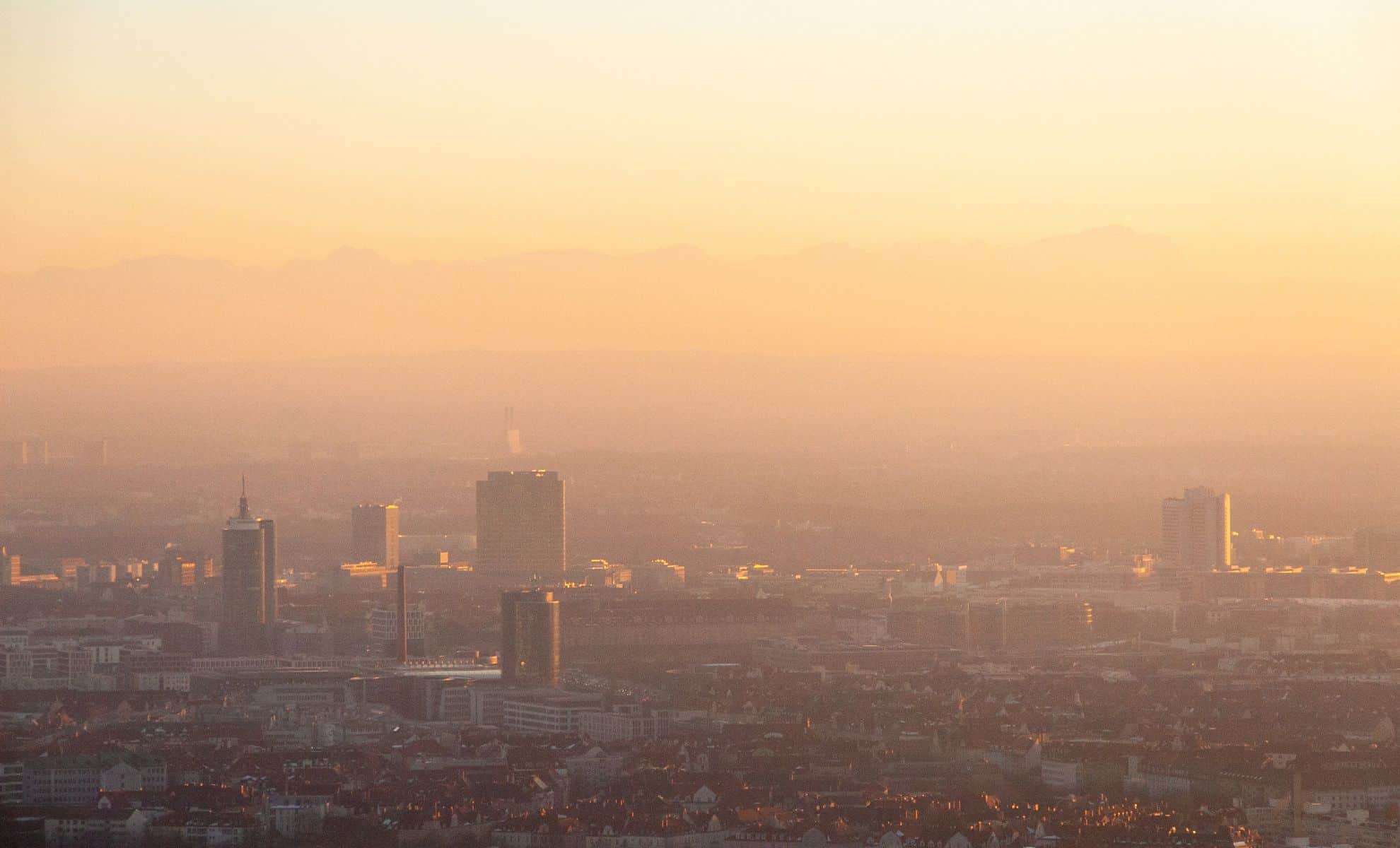
While the sun consistently rises each day, the quantity of sunlight that actually reaches Earth's surface varies over time. A recent investigation featured in Advances in Atmospheric Science uncovers considerable shifts in solar radiation levels, influenced by decades of atmospheric pollution and efforts toward cleaner energy. The study identifies two key phases—known as "dimming" and "brightening"—that significantly alter the availability of solar energy worldwide.
The Impact of Pollution on Solar Energy
Led by Professor Martin Wild from the Swiss Federal Institute of Technology (ETH Zurich), this research emphasizes that the amount of solar energy reaching the Earth's surface isn't constant.
As Professor Wild states, "The sunlight arriving as solar radiative energy at Earth's surface can experience notable long-term fluctuations instead of remaining steady."
The period termed "global dimming", spanning from the 1950s through the 1980s, saw a marked reduction in solar radiation. This decline was driven by increased fossil fuel consumption, which released vast amounts of air pollution, obstructing sunlight.
The Emergence of the Brightening Period
Following the dimming phase, evidence points to a rebound in solar radiation, especially beginning in the early 2000s, referred to as the "brightening" phase. This improvement is linked to stricter pollution controls and a shift toward cleaner energy sources.
Wild explains, "Observations reveal a drop in solar radiative energy during the mid-20th century, followed by a gradual upturn in many locations, a trend known as brightening." This change has resulted in increased sunlight availability at the surface.

China’s Role in Tracking Solar Radiation Shifts
A significant feature of the study is its emphasis on China, a country that has become central for solar radiation research due to its extensive observation infrastructure. China’s monitoring network offers valuable data for examining how aerosols from air pollution affect solar energy levels.
Professor Wild notes, "China offers an excellent setting to observe aerosol radiative influences and their effect on solar radiation reaching the surface."
Historical data reveal a decline in sunlight from the 1960s to the 1990s. However, with effective pollution reduction policies implemented in the 2000s, solar radiation is rebounding—a hopeful sign for other countries tackling air quality issues.
Consequences for Solar Energy Generation
The study’s results carry important implications for solar power, indicating that regions reducing air pollution may experience increased solar energy availability, potentially enhancing renewable energy output.
Wild comments, "Should China restore post-dimming solar levels comparable to the cleaner atmosphere of the 1960s, it would significantly boost solar power generation."
This suggests that global initiatives to improve air quality could directly support the expansion of renewable energy development in areas that have long struggled with pollution.
- Categories:
- Science












0 comments
Sign in to Comment