
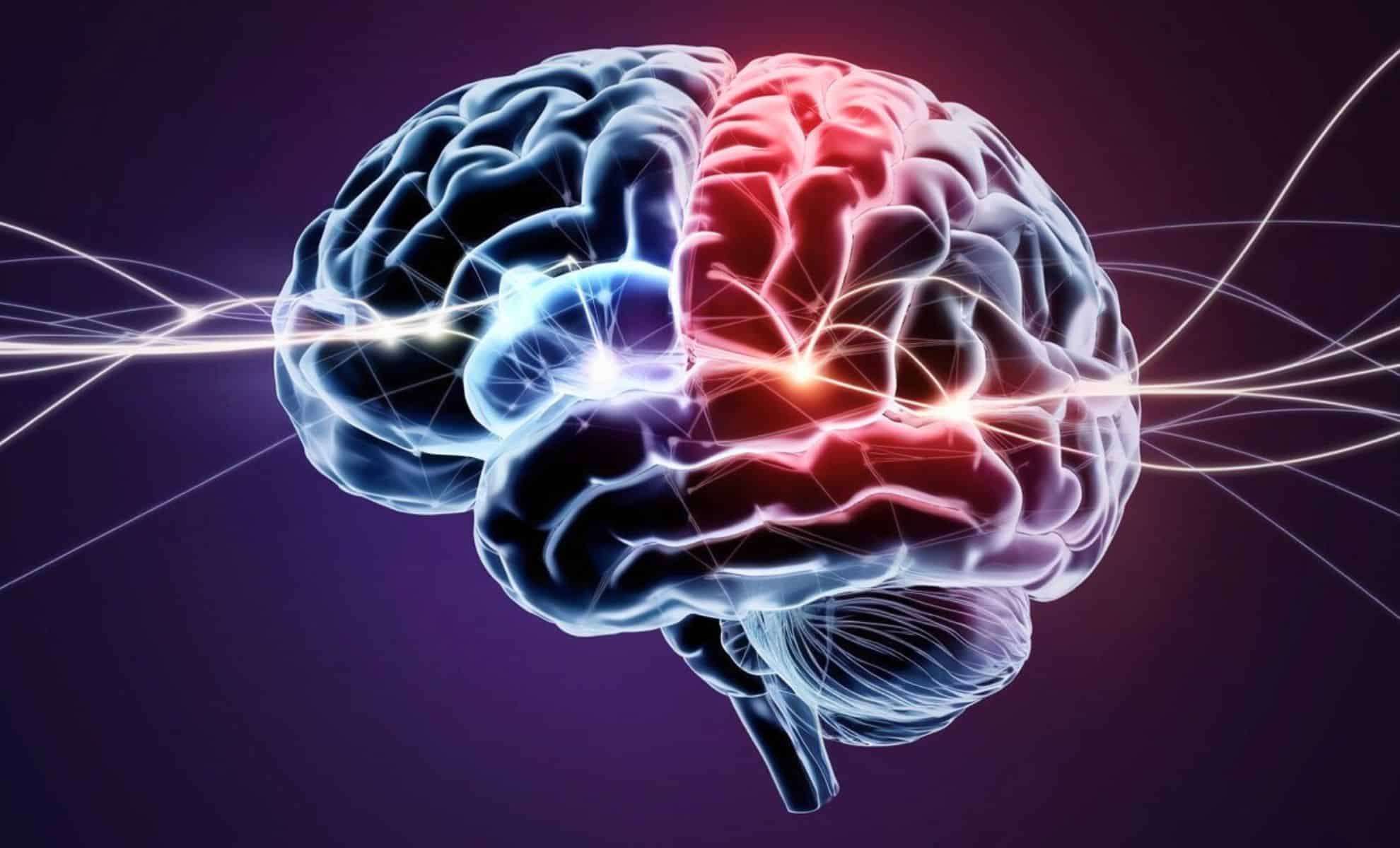
The idea of accessing memories from a brain after death has transitioned from pure speculation to a topic considered by modern neuroscience. Although the concept is still speculative, emerging research suggests that partial recovery of memories may one day become achievable. This prospect introduces deep scientific, ethical, and philosophical questions regarding memory’s essence and whether it can truly be accessed once life ends.
Decoding Memory Storage: What is the Engram?
At the heart of this futuristic approach is the engram, the tangible record in the brain where memories reside. Memories form through clusters of neurons working collaboratively, creating complex neural circuits interconnected via synapses—the microscopic junctions transmitting electrochemical signals. These connections underpin both transient and lasting memory, with initial formation linked to the hippocampus before memories stabilize in broader brain areas.
Don Arnold, a neuroscientist from the University of Southern California, explains that theoretically extracting memories involves several key stages:

- Pinpointing neurons: Identifying the exact neural groups where a specific memory is encoded.
- Mapping synaptic networks: Charting how these neurons connect to form memory circuits.
- Stimulating neurons artificially: Mimicking their natural activation patterns to "recreate" the memory.
He stresses that the engram serves as a marker for where memories are housed rather than the experience itself, implying that fully reconstructing the original memory might remain beyond reach, despite advancing technologies.
Insights from Animal Research: Foundations for Human Application
Animal studies have been critical in unveiling the mechanics of memory. A seminal 2012 experiment published in Nature revealed that scientists could provoke a mouse’s memories by reactivating neurons tied to a fearful event, even when the mouse was in a non-threatening environment.
This breakthrough established that memory traces can be pinpointed and manipulated at the neuronal level. Yet, translating such findings to humans is extraordinarily challenging because human memories intertwine complex thoughts, relationships, and emotions.
Challenges in Recovering Human Memories
One of the biggest obstacles in retrieving memories after death lies in their dynamic nature. Through reconsolidation, memories constantly update and shift, meaning that even if the engram remains, the recalled memory might not perfectly reflect the original moment.
Additionally, memories are distributed throughout multiple brain areas: sensory details often reside in the parietal lobe, while emotions are linked to the amygdala. This requires rebuilding a detailed "neural blueprint" of the memory, which demands an extraordinary level of detail and accuracy beyond current neuroscience capabilities.
Ethical Considerations: The Debate Over Memory Retrieval
The potential to recover memories from deceased persons sparks significant ethical issues. Memories are inherently personal and intimately connected to individual identity and agency. Would accessing them post-mortem without permission respect individuals’ rights? How might society monitor and control such methods to prevent exploitation, whether in legal, commercial, or personal contexts?
Psychological effects on relatives must also be considered. What implications arise from "reliving" a loved one’s memories, especially if those memories are partial or misinterpreted? Moreover, could this technology pave the way for intrusive practices where even death offers no refuge from surveillance?
- Categories:
- Science








0 comments
Sign in to Comment