
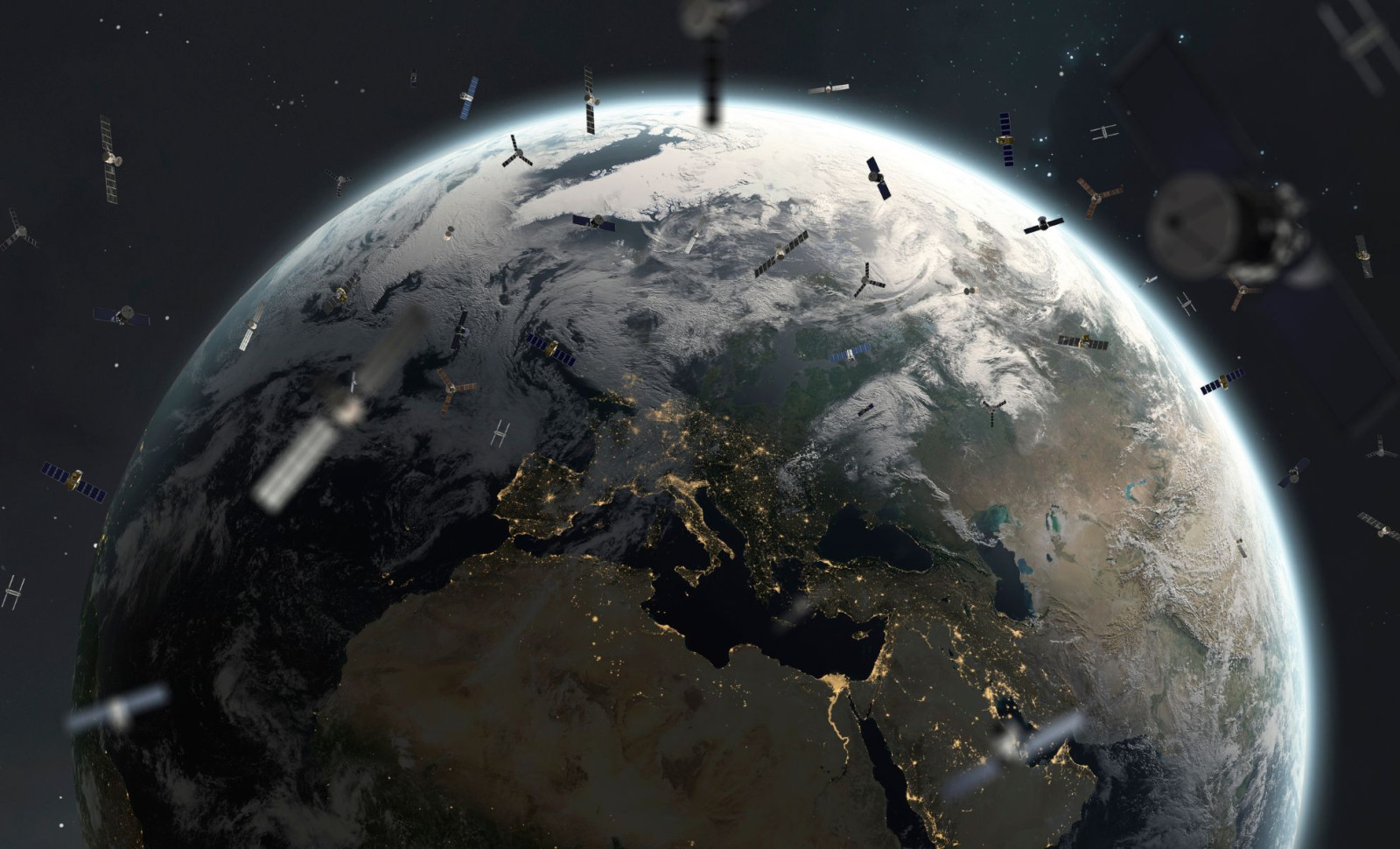
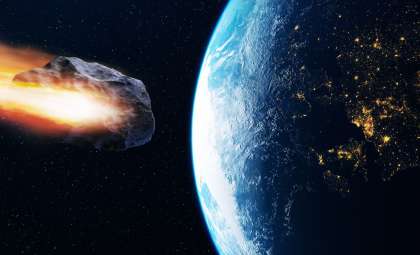
New findings published in Frontiers in Astronomy and Space Sciences reveal that space debris in Earth's orbit descends faster during periods of intense solar activity. Increased solar energy boosts atmospheric drag, causing objects in low Earth orbit to lose altitude more rapidly.
This discovery is critical as the amount of spacecraft and space junk in low Earth orbit continues to grow, posing challenges for satellite management and space safety.
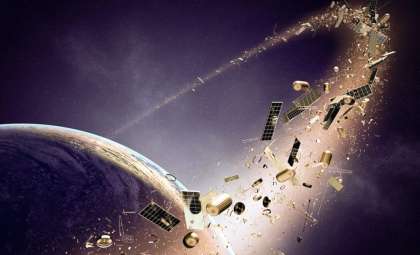
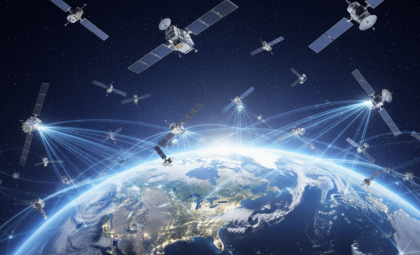
Situated roughly between 400 and 2,000 kilometers above Earth, low Earth orbit (LEO) hosts various satellites, including those for Earth monitoring, communications, and internet networks like Starlink. Alongside these active satellites, numerous discarded rocket parts, satellite debris, and inactive spacecraft travel at high speeds, heightening collision risks. Even tiny fragments can severely damage functioning satellites.

Solar Cycles Influence How Quickly Space Junk Descends
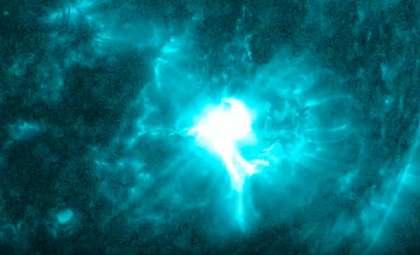
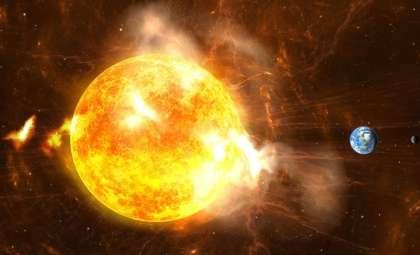
The Sun follows an approximately 11-year cycle alternating between periods of calm and heightened activity. During solar peaks, sunspot counts rise and solar emissions, such as ultraviolet radiation and charged particles, intensify. This energy increase heats Earth's thermosphere, the atmospheric layer extending from about 100 to 1,000 kilometers altitude, causing it to expand.
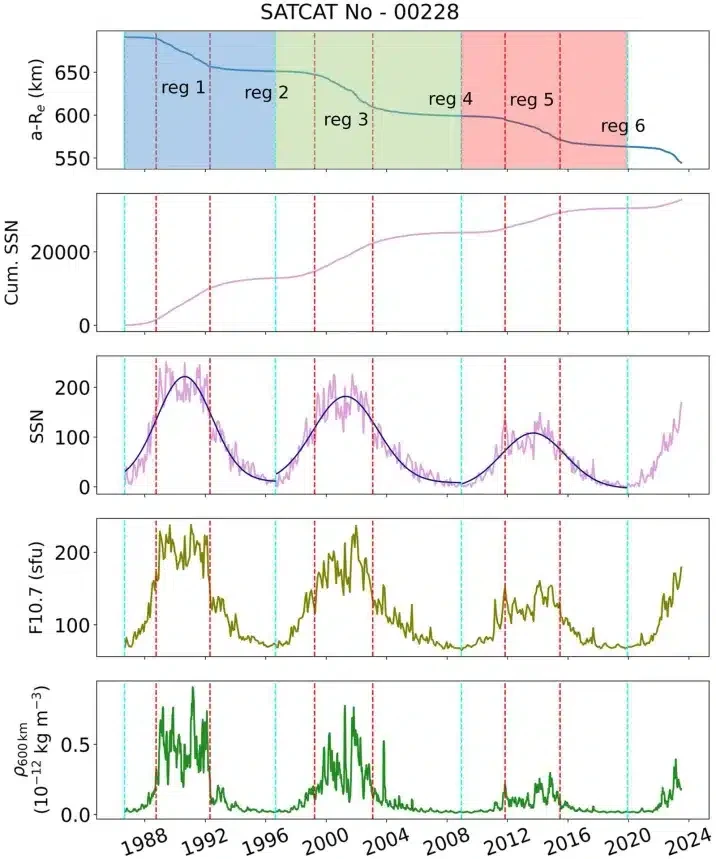
The thermosphere's expansion thickens the atmosphere at altitudes where many satellites and debris orbit. This increase in atmospheric density enhances drag, slowing orbiting objects and causing a faster descent toward Earth.
“Here we show that space debris around Earth loses altitude much faster when the Sun is more active,”said Dr. Ayisha Ashruf of the Vikram Sarabhai Space Centre in the paper. She added that: “For the first time, we find that once solar activity passes a certain level, this loss of altitude happens noticeably more quickly.”
The research specifically points to the 2024 solar maximum—a phase characterized by intensified solar emissions—which has been linked to the observed increase in atmospheric drag affecting orbiting debris.
Decades-Old Debris Reveals New Insights on Solar Influences
Researchers tracked 17 debris fragments orbiting between 600 and 800 kilometers altitude over a span of 36 years, covering solar cycles 22 to 24. These objects orbit Earth every 90 to 120 minutes and have not re-entered the atmosphere.
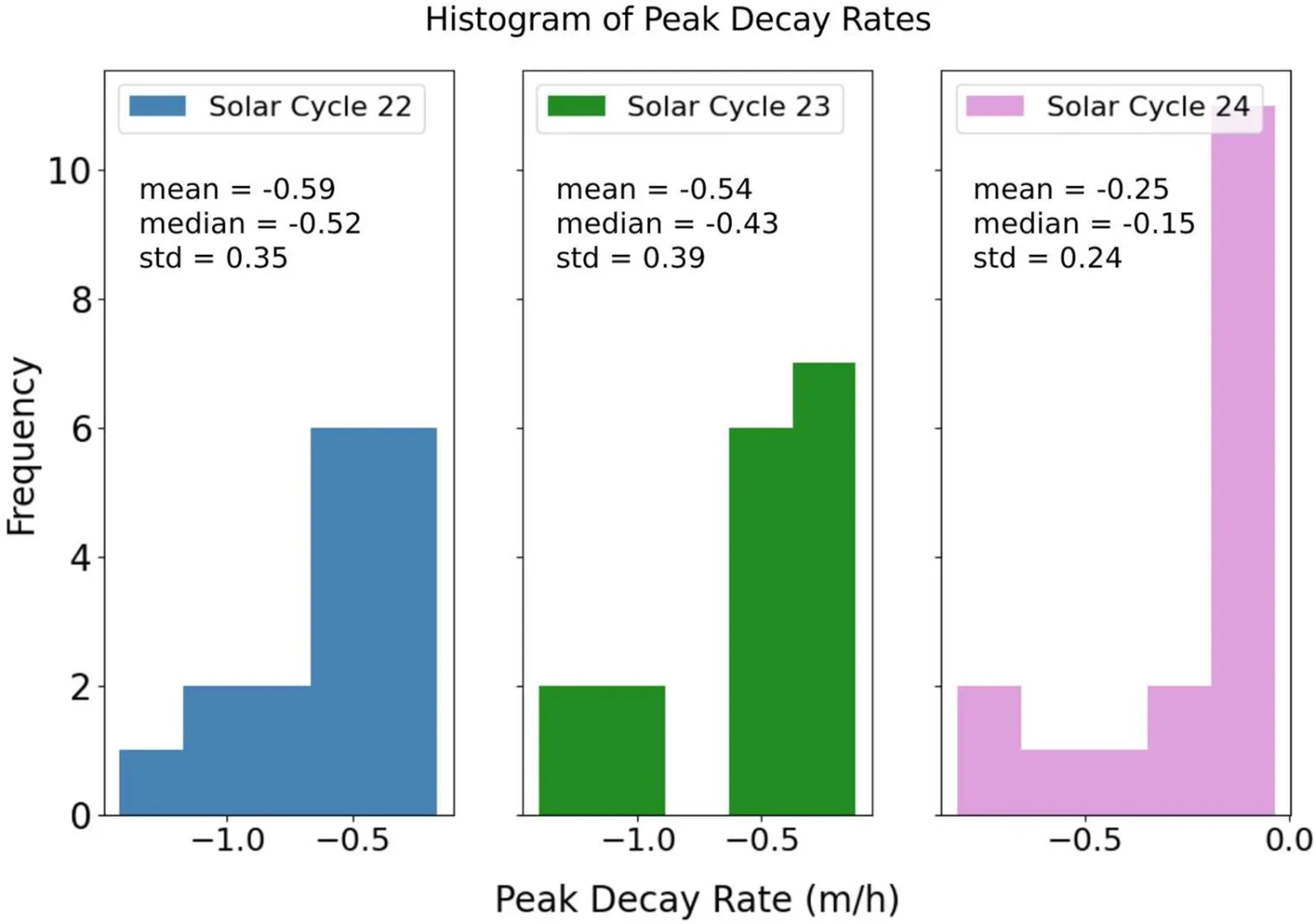
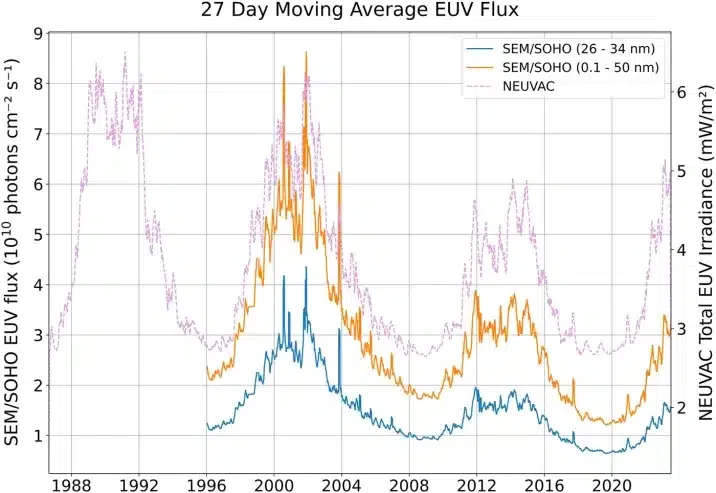
Unlike operational satellites, these debris lack propulsion systems to maintain orbit, making them ideal subjects to study natural orbital decay caused solely by atmospheric influences. The team correlated their orbital data with long-term datasets from the German Research Centre for Geosciences, including sunspot counts and measurements of solar radio and extreme ultraviolet emissions.
The researchers identified a critical threshold in solar activity: when sunspot levels rise beyond about two-thirds of their peak, orbital decay intensifies significantly.
“This threshold doesn’t seem to be tied to a fixed value of solar radiation,” Dr. Ashruf explained. “but rather to how close the Sun is to its peak activity.” The paper also suggests that stronger extreme ultraviolet emissions near solar maximum may contribute to the effect.
Implications for Satellite Operations and Fuel Management
These results have important implications for satellites orbiting in low Earth orbit, as they experience the same drag as debris. Periods of high solar activity may necessitate more frequent orbit adjustments to maintain stability.
Frontiers in Astronomy and Space Sciences notes that accelerated orbital decay leads to increased fuel consumption and could shorten mission lifespans. Therefore, satellites launched during solar maxima may require extra fuel reserves for counteracting higher drag.
“Our results imply that when solar activity passes certain levels, satellites — just like space junk — lose altitude faster so that more orbit corrections are required,” adding that: “What is most interesting is that all of this information comes from objects launched back in the 1960s. They are still contributing to science, serving as valuable tools for studying long-term effects of solar activity on the thermosphere.”
- Categories:
- Space






0 comments
Sign in to Comment