

Scientists have detected surprising activity from C/2014 UN271, the largest comet known to originate from the Oort Cloud, despite its considerable distance—exceeding a billion miles—from the Sun. Observations with the ALMA radio telescope revealed that this comet is releasing carbon monoxide gas, an indication of internal processes previously thought unlikely at such remote locations.
Often referred to as Bernardinelli-Bernstein, C/2014 UN271 is extraordinary in its scale, measuring approximately 85 miles in diameter, far surpassing the size of typical comets. It is currently journeying towards the inner solar system from the distant Oort Cloud, a vast region composed of icy remnants encircling the Sun. Although it is currently positioned about 16.6 astronomical units away—over 1.5 billion miles—the comet exhibits active gas emissions.
Observations Reveal Dynamic Gas Jets
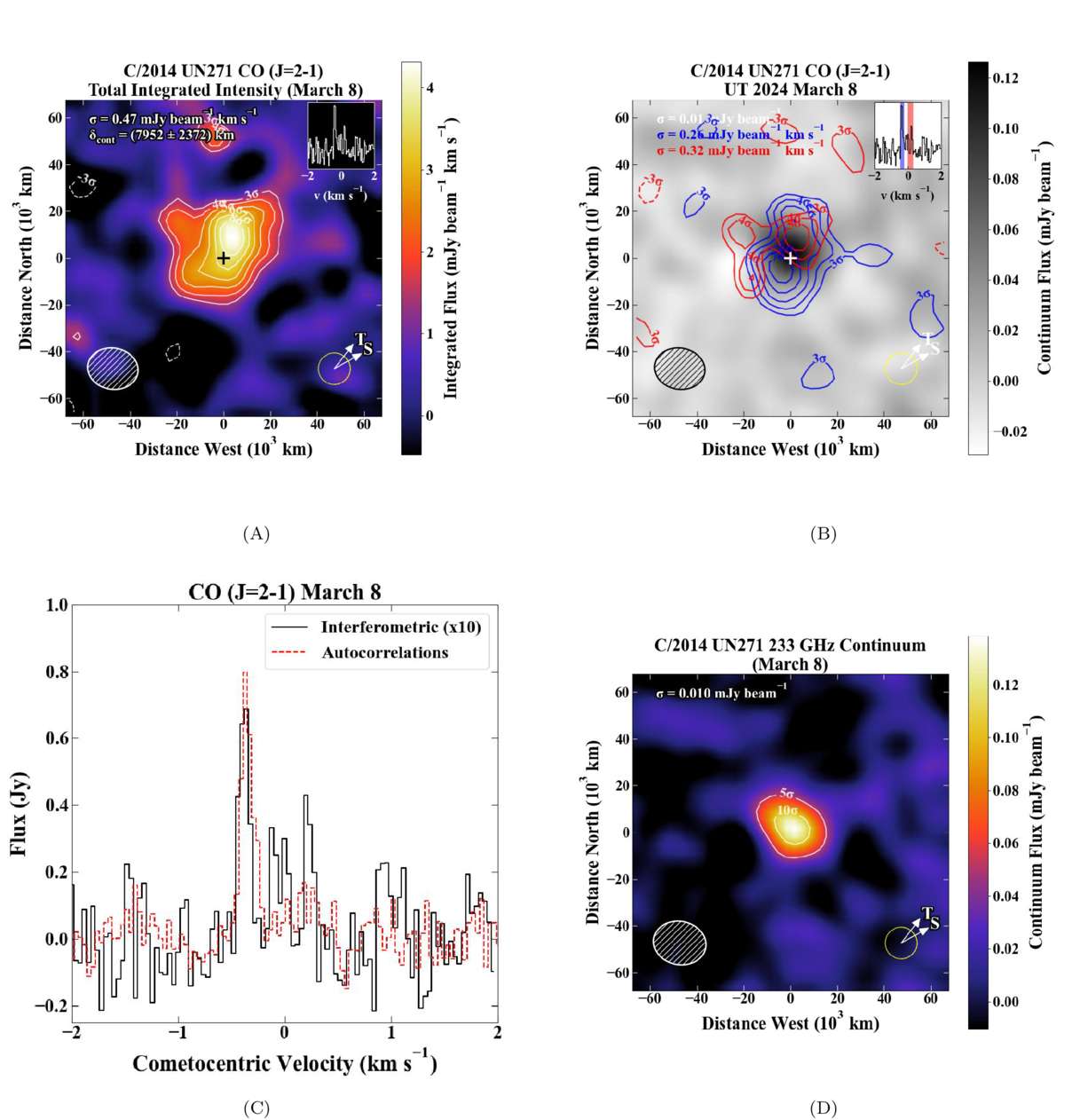
Utilizing the Atacama Large Millimeter/submillimeter Array (ALMA), an advanced setup of 66 radio antennas in Chile, a research team led by Nathan X. Roth from NASA's Goddard Space Flight Center detected distinct bursts of carbon monoxide emanating from the comet’s surface. As reported by Earth.com, this emission was identified as a sharp spectral signature at 230 gigahertz, making it unmistakably clear.

The carbon monoxide discharge was not constant; multiple jets exhibited variability across observations made days apart. This behavior indicates that C/2014 UN271 possesses rotating active areas on its surface, which occasionally face the Sun, warming internal gases and causing them to vent outward. Roth commented:
“We are seeing explosive outgassing patterns that raise new questions about how this comet will evolve.”
These results were documented in The Astrophysical Journal Letters, providing peer-reviewed confirmation of cometary activity at a remarkably large solar distance.
Volatile Chemistry Triggered by Weak Sunlight
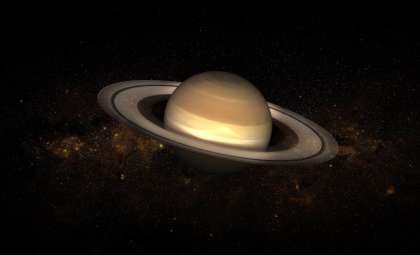
Located well beyond Saturn's orbit, the comet remains too cold for water ice to sublimate, yet its activity is clearly detectable. The outgassing is primarily attributed to more volatile compounds such as carbon monoxide and carbon dioxide, which can vaporize even under the dim sunlight at this distance. This finding challenges previous assumptions that cometary activity begins predominantly closer to the Sun.
As stated in the Earth.com coverage, ALMA also gathered thermal measurements that helped estimate dust presence near the comet’s nucleus. The data revealed a compact coma, a gaseous envelope around the solid nucleus, but showed a minimal amount of formaldehyde. This observation ruled out chemical synthesis within the coma as the cause of the gas release, favoring direct emission from the interior.
A Unique Window into Solar System Origins
C/2014 UN271 is under close observation due to its potential to shed light on the early solar system’s composition. This enormous comet likely retains pristine chemical constituents unchanged since the solar system's birth. Molecules like carbon monoxide offer valuable insight into the primordial mix, unlike many smaller comets that have undergone alteration from solar heating.
The team’s ability to trace the velocity and direction of the carbon monoxide jets provides a detailed understanding of the comet's surface activity. ALMA’s high spatial resolution pinpointed the origin and speed of the gas flows, giving astronomers a three-dimensional perspective on the comet's behavior. The early activation of C/2014 UN271 at such a vast distance challenges previous ideas about when and how cometary activity begins.
- Categories:
- Space









0 comments
Sign in to Comment