

In November 2025, a tiny piece of space debris damaged the viewport window of China's Shenzhou-20 spacecraft, delaying the crew's planned return and prompting the nation's inaugural emergency launch. This near-invisible collision has intensified concerns about the hazards posed by the growing debris population orbiting Earth.
With more spacecraft crowding orbital paths, space agencies and private companies face the challenge of protecting expensive missions and human lives from unpredictable, high-speed debris impacts.
Emergent Risks Highlight Knowledge Gaps in Orbital Traffic
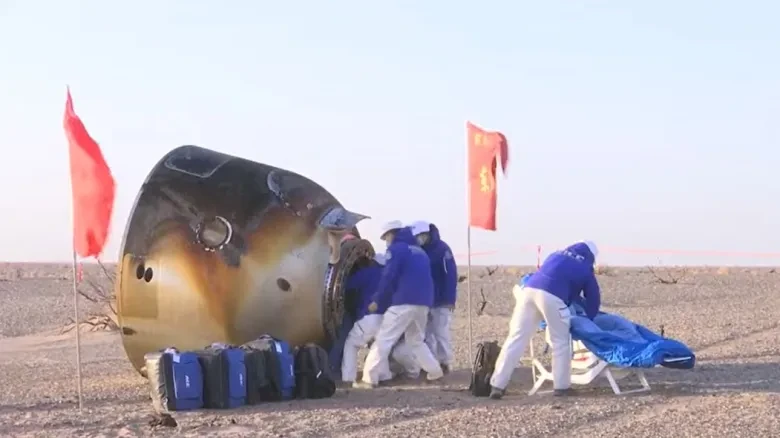
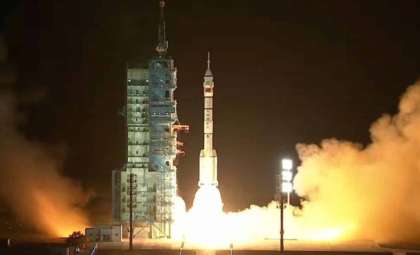
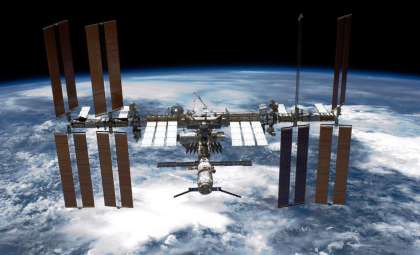
The crisis arose as the Shenzhou-20 astronauts prepared to detach from China's space station on November 5. Damage to the window was traced back to a collision with unknown orbital fragments. Prioritizing crew safety, China delayed the crew's return and instead dispatched the unmanned Shenzhou-22 capsule on November 25.

The crew eventually returned safely aboard the Shenzhou-21 vehicle, marking the first time China activated an alternative return plan. The Shenzhou-20 incident exposed deep vulnerabilities in how orbital activities are monitored and managed.
“A crew return was postponed because microscopic debris compromised a spacecraft window,” said Moriba Jah, professor of aerospace engineering at the University of Texas at Austin.
Overpopulated Orbit Fuels a False Sense of Control
Looking beyond this single event, Moriba Jah emphasizes the critical issue: the absence of a reliable, ongoing grasp of the objects traveling through orbit. He describes the growing threat as one of knowledge uncertainty, where blind spots in global surveillance leave operators vulnerable to sudden dangers.
As Jah explained to Space.com, “each fragment we leave behind adds to a swelling wave of unpredictability.” He warns that this increasing uncertainty is steadily eroding the safety buffer, as our understanding of orbital conditions lags behind the growing debris problem. Without open data sharing among nations and enterprises, such close calls could soon become standard.
Orbital Junk Accumulates as Practices Remain Unchanged
Currently, scientists approximate over 130 million human-made debris pieces orbiting Earth, including shattered rocket parts, defunct satellites, and hardware fragments. Deliberate anti-satellite tests further contribute to this chaotic orbital environment.
Darren McKnight, senior technical fellow at LeoLabs, noted that in 2025, some companies acted responsibly—highlighting Starlink, Iridium, and OneWeb as positive examples. Conversely, others, such as China’s “Thousand Sails” constellation and the “Guowang” internet satellite network, reportedly launched many satellites while neglecting to deorbit spent rocket stages.
McKnight stressed that these operations heighten the collision risk in low Earth orbit. He highlighted that deorbiting just the ten most dangerous objects could reduce debris risk by nearly 30%, yet such interventions are rarely implemented.
“Some operators in low Earth orbit are ignoring known long-term effects of behavior for short-term gain,” he noted, comparing it to early-stage climate denial.
Environmental Concerns Extend Beyond Earth's Surface
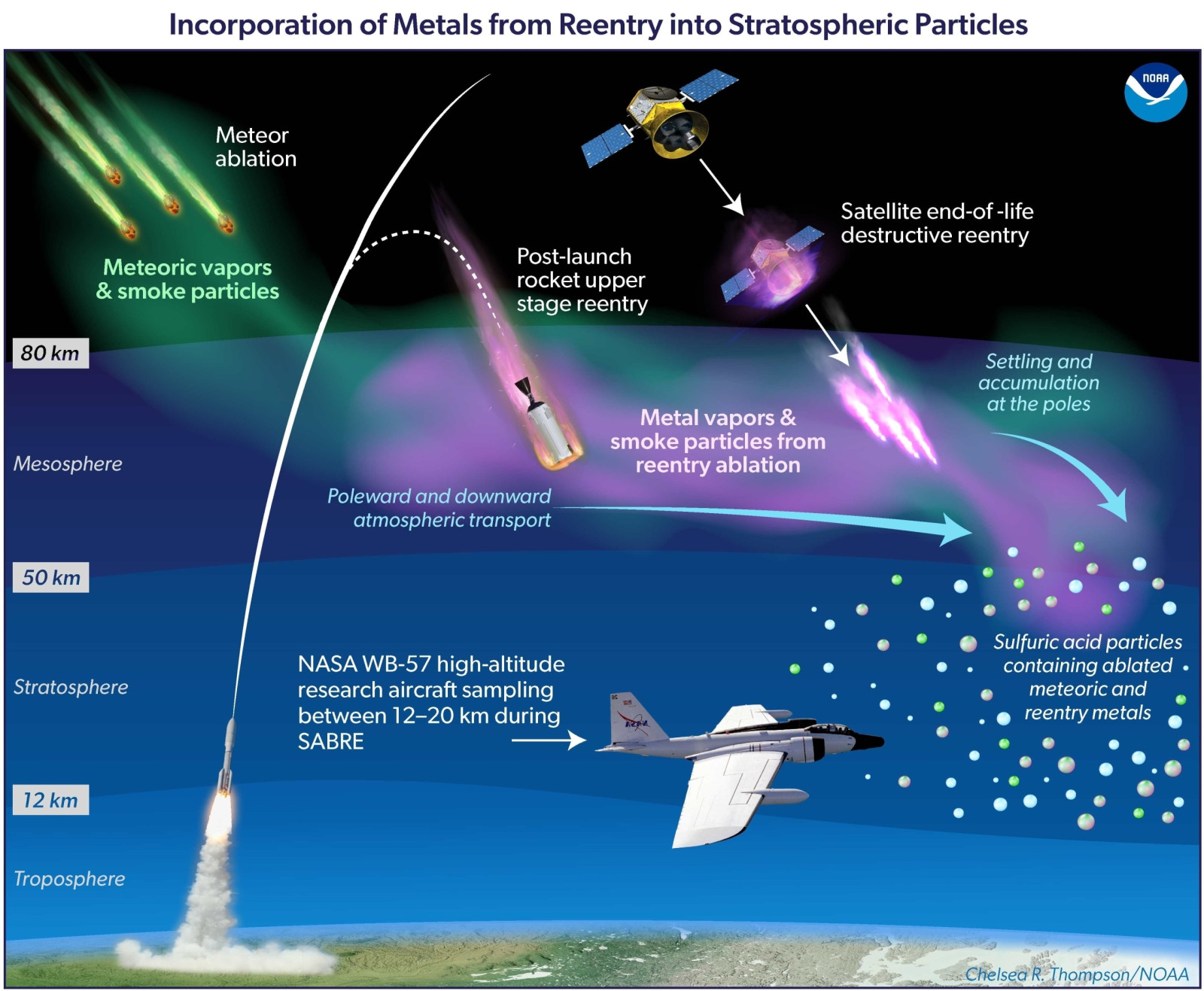
Space operations also pose environmental challenges beyond just orbital collisions. The United Nations Environment Program has released a report called Safeguarding Space: Environmental Issues, Risks and Responsibilities, highlighting growing concerns about pollution from rockets, impacts on the stratosphere, and chemical effects of debris reentry.
The report reveals that over 12,000 satellites launched in the last decade have intensified risks of collisions and may alter Earth’s atmospheric composition and dynamics. The UNEP urges coordinated international efforts to balance the benefits of satellite technology with mitigation of these emerging environmental hazards.
- Categories:
- Space







0 comments
Sign in to Comment