
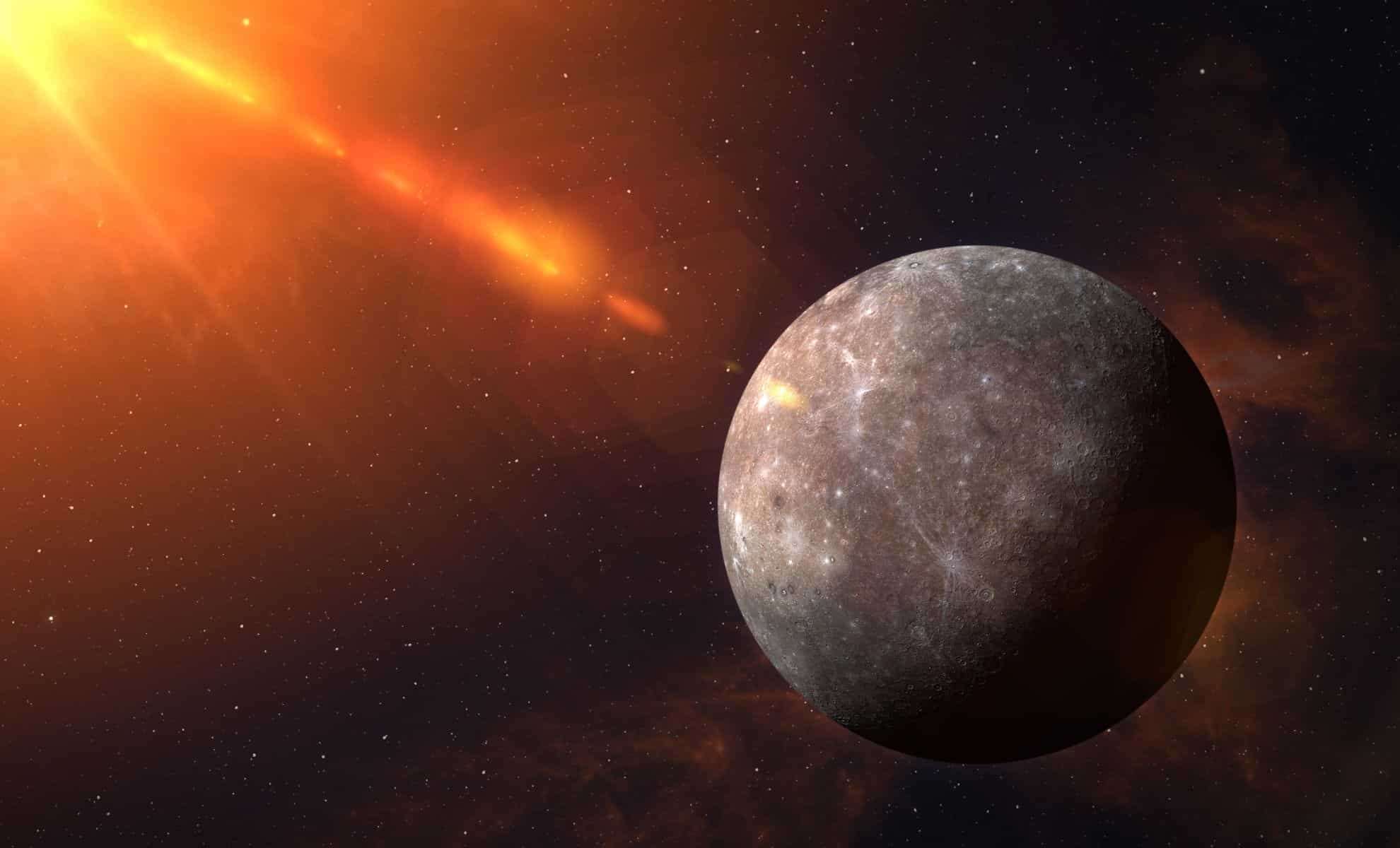
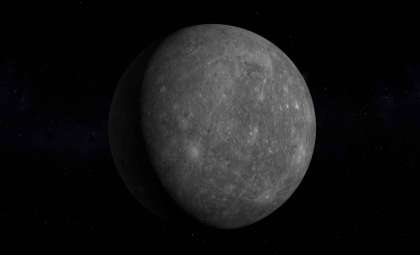
Mercury, our solar system’s smallest planet and closest neighbor to the Sun, has intrigued scientists for years with its uniquely distorted and fractured landscape. Its surface is marked by towering cliffs, deep grooves, and extensive cracks, making the planet appear warped and contorted. While these features have traditionally been linked to Mercury’s slow cooling and shrinking since its formation, a new hypothesis points to a far more dynamic force: the Sun’s tidal influence.
Solar Tidal Forces Potentially Mold Mercury’s Surface
A team from the University of Bern recently developed physical simulations to explore how the Sun’s gravitational pull might affect Mercury’s lithosphere. Their results suggest that tidal forces exerted by the Sun could significantly contribute to the planet’s tectonic structures. Mercury’s orbital behavior isn’t like Earth’s simple rotation; instead, it undergoes a unique 3:2 spin-orbit resonance, completing three spins for every two orbits around the Sun. When combined with its pronounced elliptical path and an axial tilt near 7 degrees, these conditions generate shifting tidal stresses that continuously deform its crust.
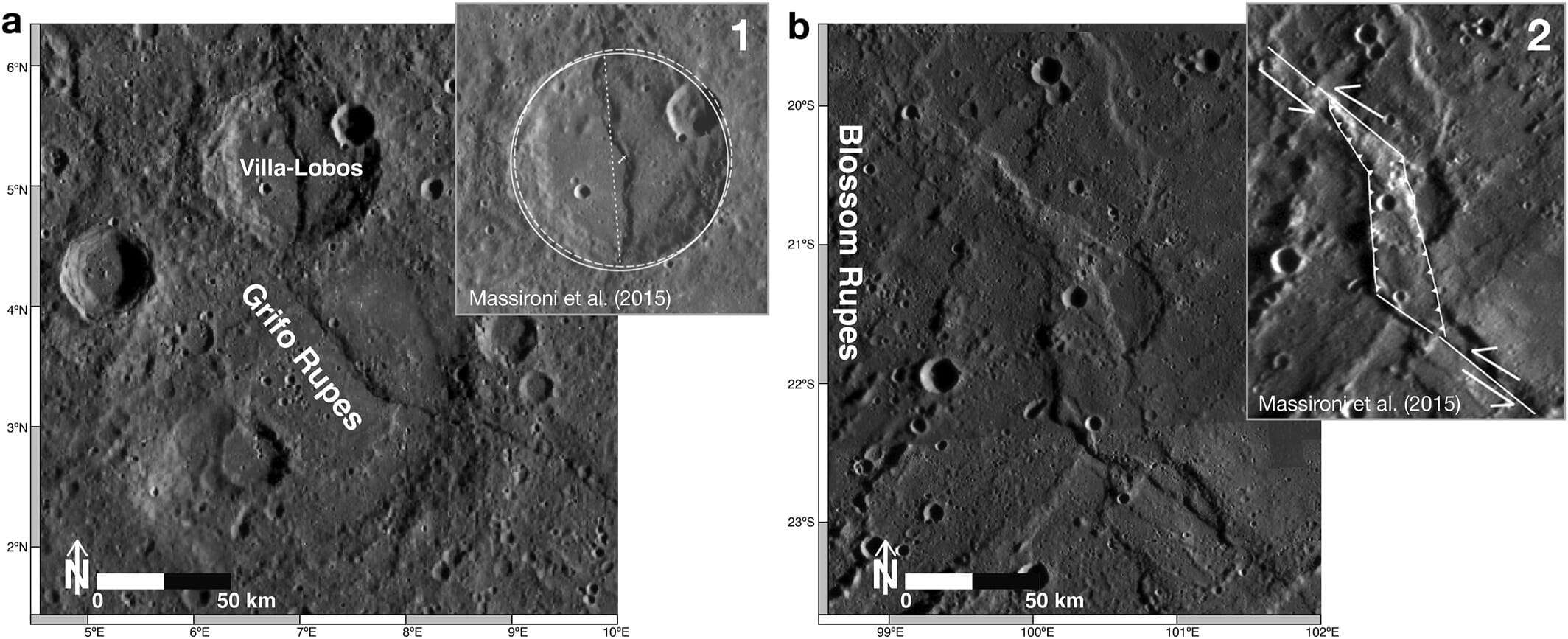
Liliane Burkhard, lead investigator at the Institute of Physics’ Space Research and Planetary Sciences Division, explained, “Mercury’s orbit creates tidal forces that could leave identifiable traces on its surface.” Although these stresses alone aren’t potent enough to create faults, their directional patterns closely align with existing fault slips observed on the planet, suggesting tidal influences may have shaped Mercury’s tectonic features across billions of years.

Planetary Surface Scars Reveal Complex Geological History
Mercury formed as a molten world that solidified over time. This cooling caused its interior to contract, subsequently causing wrinkling and cracking of the surface. Yet observations from earlier missions hinted at a more intricate process. Besides shrinking, Mercury’s crust has also exhibited lateral displacement, producing fractures that conventional cooling models couldn’t fully explain.
“Tidal forces were often underestimated or dismissed as too minor,” Burkhard stated. However, their extensive modeling spanning more than 4 billion years reveals these tiny stresses have subtly influenced Mercury’s tectonics. These findings may reshape how we understand planetary evolution in the broader cosmic context.
BepiColombo Mission Promises Deeper Insights
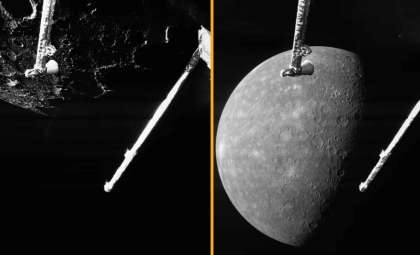
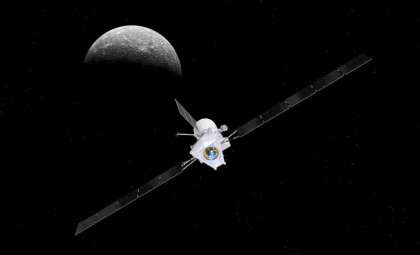
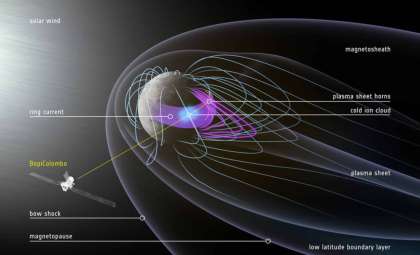
To gain better understanding of Mercury’s geological puzzles, scientists are turning to the ongoing BepiColombo mission, a joint venture between the European Space Agency (ESA) and the Japan Aerospace Exploration Agency (JAXA). Launched in 2018, this spacecraft is only the third to visit Mercury and is equipped with advanced instruments aimed at capturing detailed data on the planet’s surface features, magnetic environment, and internal composition.
Researchers hope BepiColombo will provide definitive evidence on the role of solar tidal forces in sculpting Mercury’s distinctive surface. As Burkhard concludes, “Studying Mercury’s deformation offers valuable clues about the long-term geological evolution of terrestrial planets.”
- Categories:
- News



0 comments
Sign in to Comment