
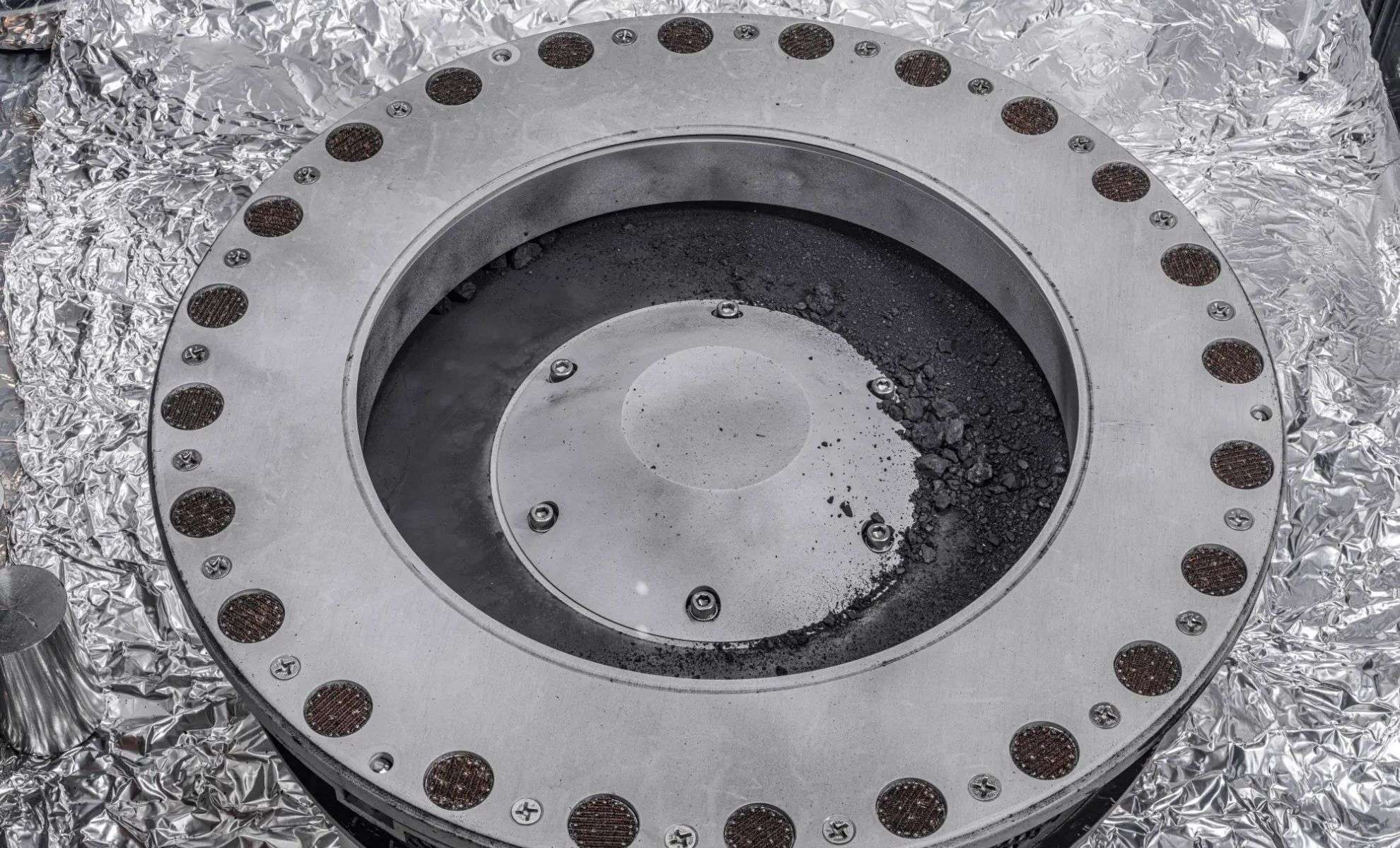
The OSIRIS-REx mission by NASA, which returned asteroid material from Bennu in 2023, has opened new windows into both the asteroid's makeup and fundamental physics.
Although the mission’s main goal was to gather and study asteroid samples, researchers are now leveraging this data to investigate groundbreaking possibilities, including the existence of a fifth fundamental force beyond the four forces currently recognized. This could dramatically alter physics models and sheds light on dark matter, gravity, and solar system evolution.
Examining Bennu’s Orbit to Detect a Fifth Fundamental Force
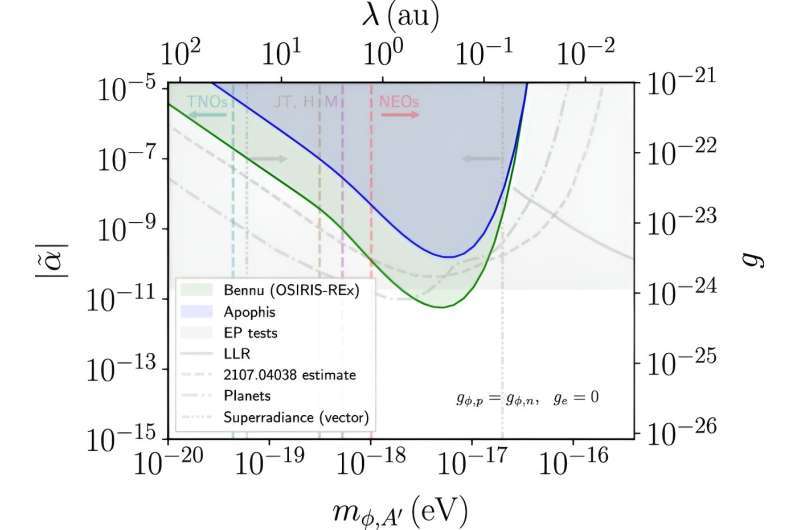
A remarkable result from the OSIRIS-REx project is its unexpected role in fundamental physics discoveries. Detailed tracking of Bennu’s trajectory enabled researchers to test for a hypothesized fifth force alongside gravity, electromagnetism, and the nuclear forces. This work strives to push the boundaries of the Standard Model of physics to better explain phenomena related to dark energy and dark matter.

Scientists from Los Alamos National Laboratory and other collaborators are carefully analyzing Bennu’s orbit for subtle discrepancies that may reveal this fifth force, potentially mediated by elusive particles like ultralight bosons. Lead investigator Yu-Dai Tsai highlighted the implications: “Decoding Bennu’s tracking data could redefine our grasp of fundamental physics, offering new insights into gravity, dark matter, and the Standard Model.” Success here would revolutionize our comprehension of the universe’s core workings.
Precision tracking of Bennu has set stringent constraints on the possible existence of a fifth force. As said by Sunny Vagnozzi, assistant professor at the University of Trento and co-author of the study, “These limits rank among the strictest for Yukawa-type fifth forces, underscoring asteroid monitoring as a promising strategy to detect ultralight bosons and explore extensions to the Standard Model.” This approach outlines a new path for using asteroids as probes of fundamental physics.
The Composition of Bennu: Unveiling Clues About Life’s Beginnings
While its physics impact is profound, the main achievement of OSIRIS-REx lies in collecting physical samples from Bennu. In September 2023, the spacecraft returned 122 grams (4.3 ounces) of surface material, more than doubling initial expectations. This treasure trove is now under intensive study, revealing insights into Bennu’s origins and its potential contributions to the early solar system and life on Earth.
Findings from the sample highlight a wealth of organic molecules and hydrated minerals, reinforcing ideas that asteroids could have delivered essential water and carbon compounds to Earth. Such results strengthen the theory that these cosmic bodies may have sparked the chemical precursors of life. Mission principal investigator Dante Lauretta noted, “Detecting organics and evidence of water on Bennu brings us closer to deciphering how the solar system formed and how life’s chemistry unfolded. It’s a reminder of our deep cosmic connection.”
Notably, the returned material included magnesium sodium phosphate, a mineral never before seen using remote sensing techniques. This suggests Bennu might have originated from a water-enriched ancestor body, hinting at a complex evolutionary history. These discoveries open fresh perspectives on asteroid formation and the delivery of life-building ingredients across the solar system.
Building on Success: OSIRIS-APEX and Safeguarding Earth
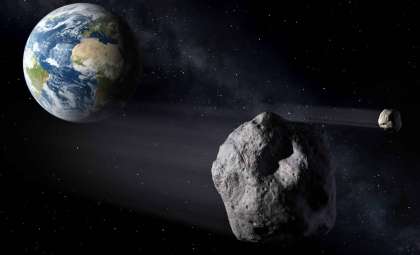
The achievements of OSIRIS-REx have not only expanded knowledge about Bennu but also set the stage for further explorations. The spacecraft is now embarking on an enhanced mission, dubbed OSIRIS-APEX, which will investigate the near-Earth asteroid Apophis as it makes a close pass in 2029.
This encounter holds great importance for planetary defense experts. By studying Apophis’ interaction with Earth’s gravity during the flyby, the mission will gather vital data to improve future defense techniques against hazardous asteroids. Like Bennu, Apophis is categorized as potentially threatening, making detailed analysis of its orbit and structure crucial for developing mitigation strategies. Mission lead Dani Mendoza DellaGiustina remarked, “Our observations of Apophis will offer essential knowledge about asteroid behavior near Earth, which is key for protecting our planet in the future.”
Besides defense, the extended mission will enhance understanding of how gravity shapes asteroid paths and physical characteristics. This continuation will build upon the expertise gained studying Bennu, opening new scientific opportunities.
Advancing Space Science and the Search for Life
The impact of OSIRIS-REx goes beyond asteroid science, influencing astrobiology efforts as well. The University of Arizona launched the Arizona Astrobiology Center following the sample return, bringing together scientists from multiple fields to probe life’s origins and the potential for life in the cosmos. This collaborative initiative integrates planetary science, chemistry, and biology for a comprehensive investigation.
The study of Bennu’s organic compounds and hydrated minerals promises critical insights into the conditions necessary for life on Earth and other worlds. These findings will shape future missions aimed at detecting extraterrestrial life. Lauretta emphasized, “OSIRIS-REx exceeded our hopes thanks to the dedicated students leading this groundbreaking research.” Involving young scientists has enriched the mission’s outcomes and helped cultivate tomorrow’s leaders in planetary science.
With Bennu’s material continuing to yield discoveries and forthcoming missions like OSIRIS-APEX set to explore new targets, this endeavor’s influence on our understanding of the solar system and humanity’s place within it will endure for years ahead.
- Categories:
- Astronomy ,
- News ,
- Nasa ,
- Physics









0 comments
Sign in to Comment