
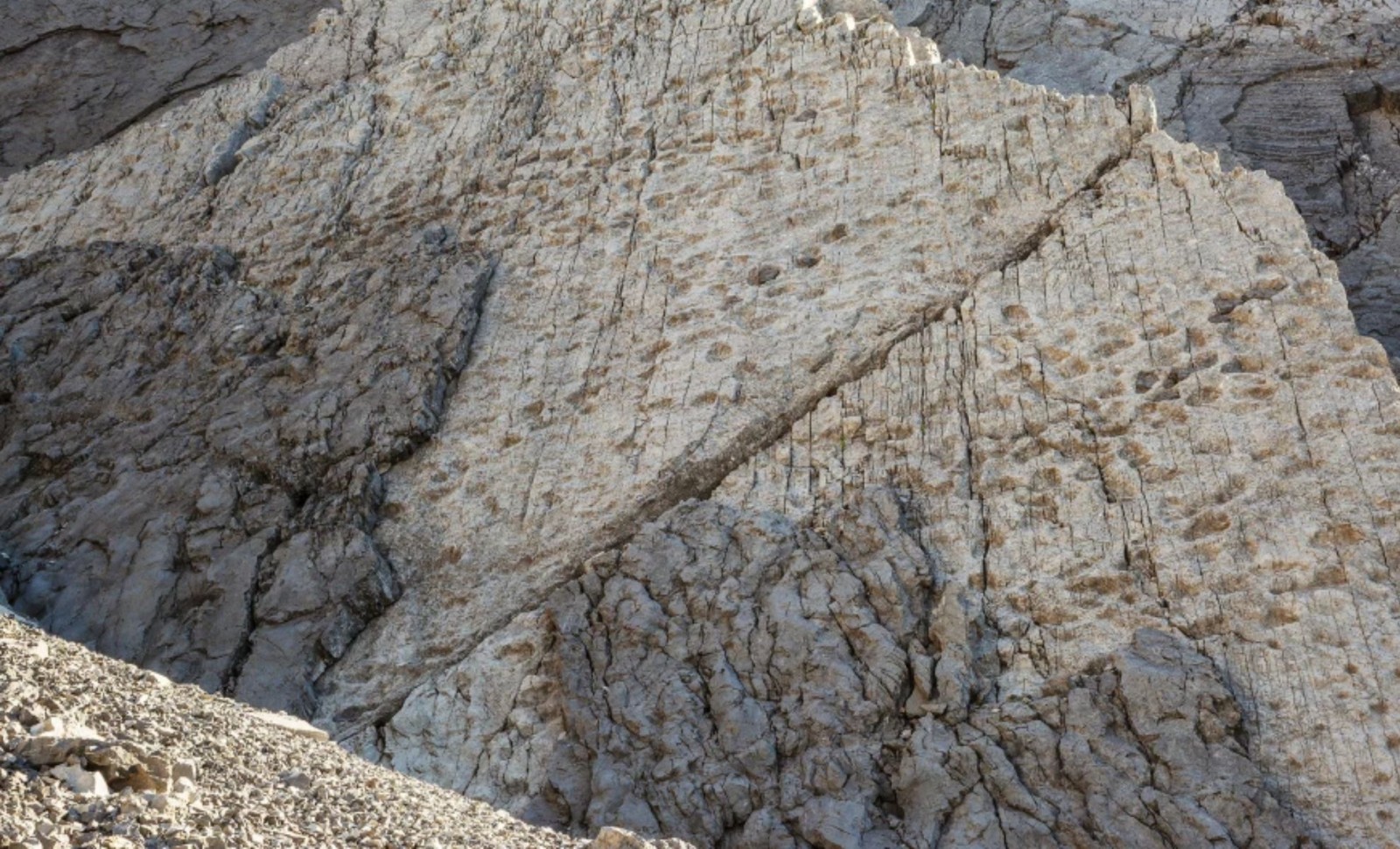
In northern Italy's Stelvio National Park, a remarkable trove of dinosaur footprints has been unveiled, dating back over 200 million years to the Triassic period. This extraordinary preservation owes itself to recent intense winter storms.
The footprints came to light thanks to a wildlife photographer who discovered them after heavy storms during the 2023-2024 winter season. As the snow and ice melted swiftly, the footprints, some reaching 40 centimeters in diameter, appeared scattered across the mountainous terrain.
A Remarkable Archaeological Find Amid the Alpine Peaks
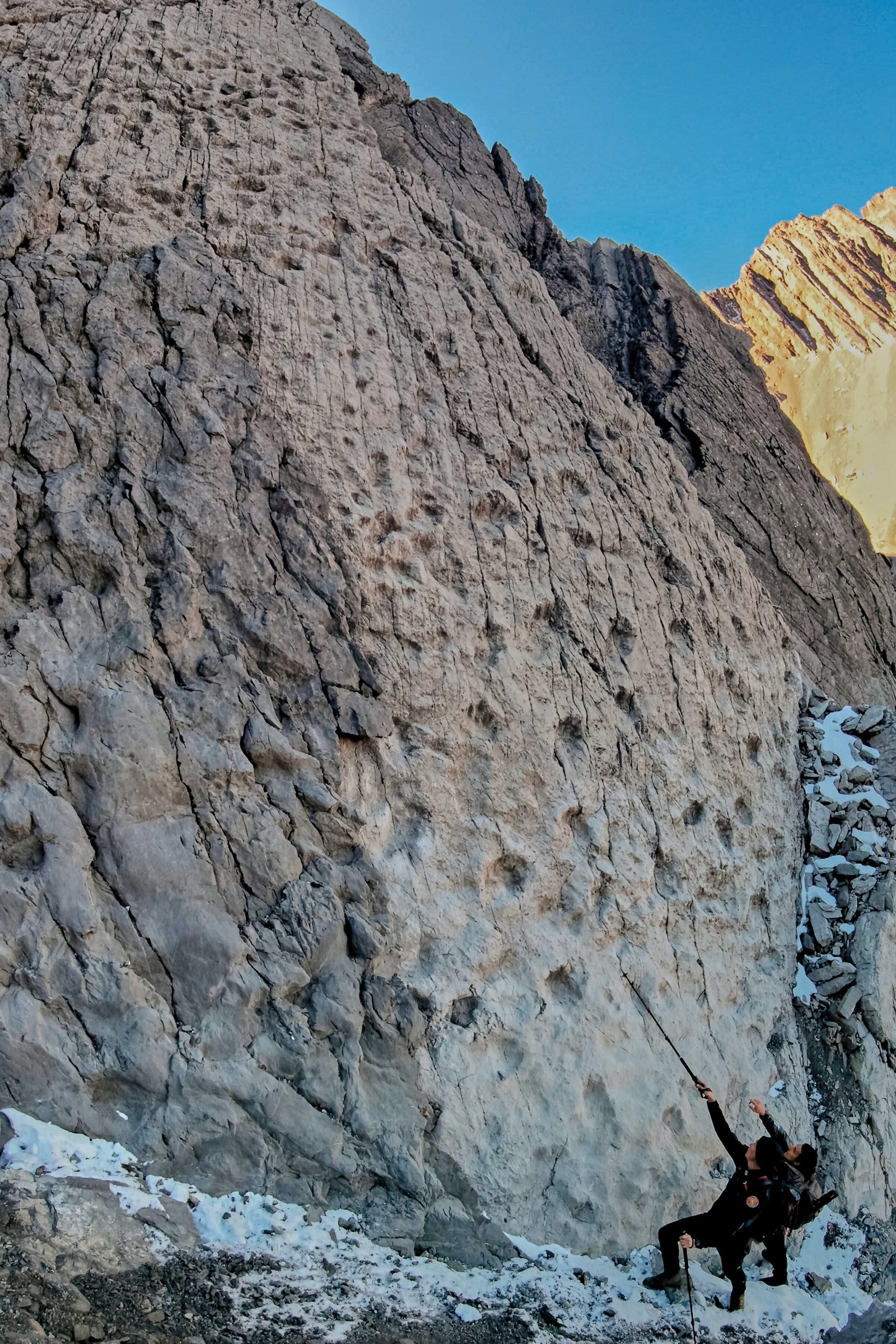
This extraordinary find was made in a rugged area near Bormio, a site designated for the upcoming 2026 Winter Olympics. Phys.org reports that while trekking in the Alps, the photographer noticed unusual impressions on exposed rock once snow had melted. The sheer abundance of these traces, estimated to be as many as 20,000 footprints, makes this discovery particularly significant.

“The huge surprise was not so much in discovering the footprints, but in discovering such a huge quantity,” said wildlife photographer Elio Della Ferrera. “There are really tens of thousands of prints up there, more or less well-preserved.”
These fossils represent a variety of dinosaur species, including both bipedal meat-eaters and four-legged plant-eaters, offering valuable insights into the biodiversity of the Triassic era. The footprints’ parallel formations suggest these dinosaurs moved in groups, shedding light on their social behavior within their ancient environment.
Revisiting the Triassic: Insights into a Primeval Era
The footprints date back to the Late Triassic period, over 200 million years ago, a pivotal time when dinosaurs were beginning to diversify. The Natural History Museum explains that this era came before the rise of giant Jurassic-era dinosaurs.
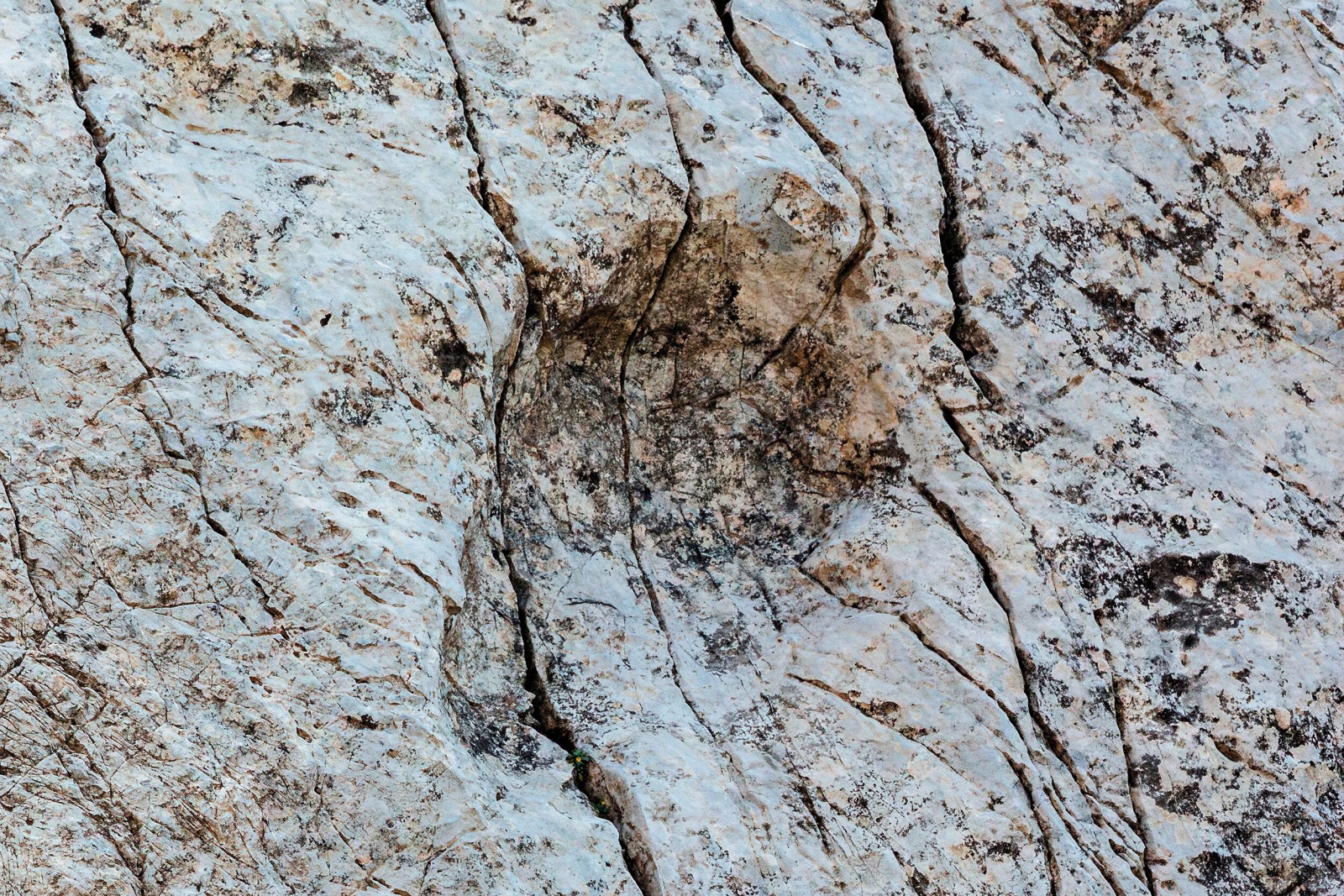
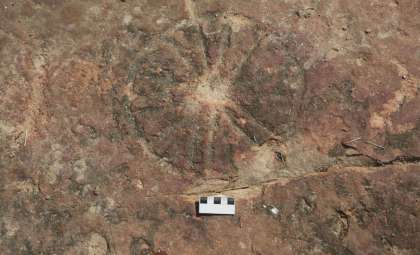
Many prints show exceptional detail, revealing clear marks of toes and claws, preserved due to dinosaurs walking across moist ground, which helped capture these outlines vividly.
“There are very obvious traces of individuals that have walked at a slow, calm, quiet rhythmic pace, without running,’’ said Cristiano Dal Sasso, a paleontologist at Milan’s Natural History Museum.
Dal Sasso suggests the prints were made by sizable, long-necked bipedal herbivores resembling Plateosaurus, potentially weighing up to four tons and measuring up to 33 feet in length. Some footprints exceed 40 centimeters across, with clearly defined claws.
Safeguarding Ancient Traces Amid Environmental Changes
The area hosting these footprints is under pressure from impending developments linked to the 2026 Winter Olympics. Additionally, climate change-driven glacier and snow melt is rapidly exposing and simultaneously threatening the preservation of these invaluable fossils.
Scientists urge prompt measures to document and protect this site, as increased exposure risks damage from both natural erosion and human activities. The footprints remain vulnerable to weathering, and attention must be paid to conserve this precious window into prehistoric life.
- Categories:
- News









0 comments
Sign in to Comment