
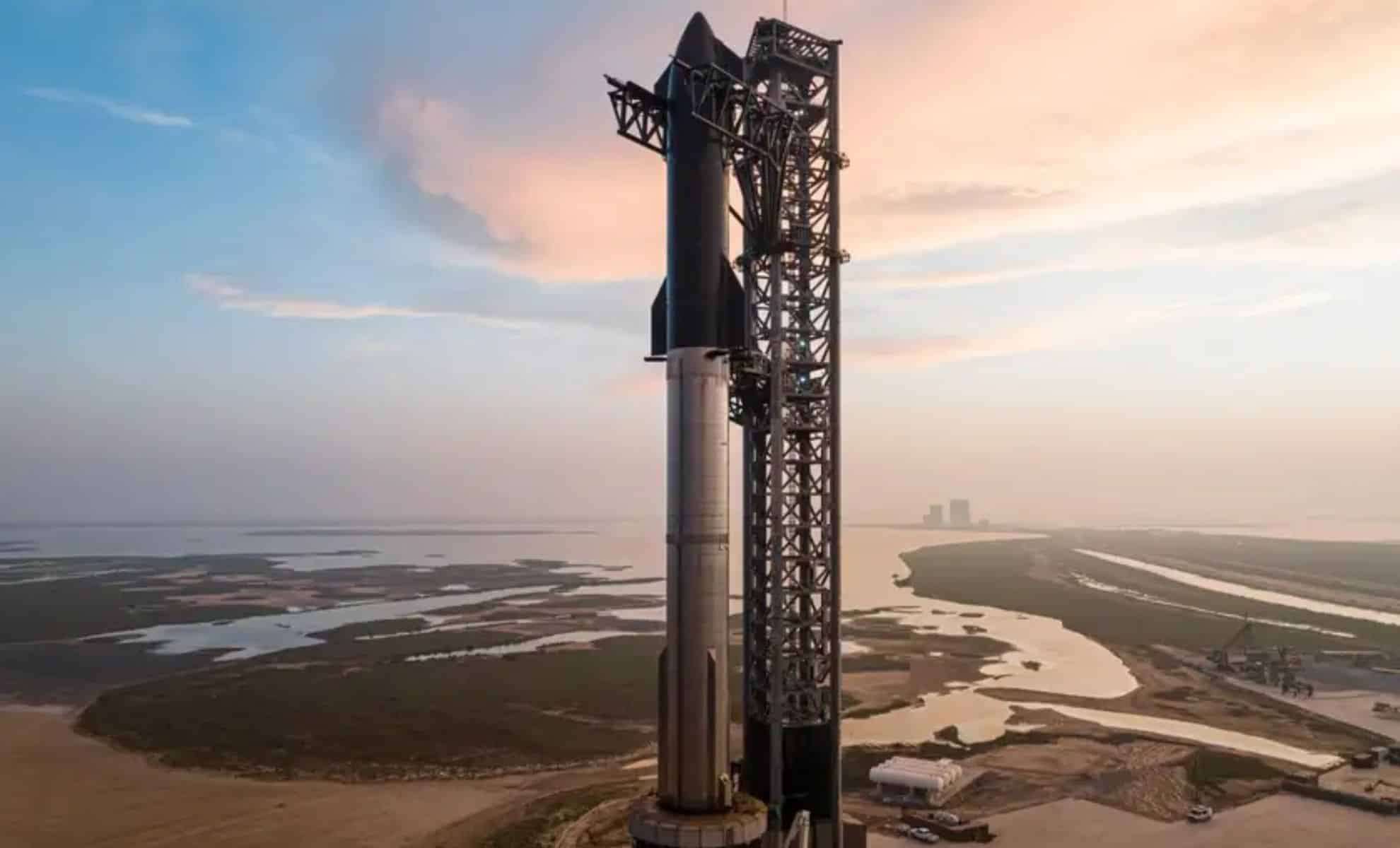
NASA eagerly anticipates SpaceX’s fifth Starship test launch, tentatively slated for October 13, 2024, pending regulatory clearance. This milestone is vital for SpaceX’s involvement in NASA’s Artemis program, particularly for the Human Landing System (HLS) that will facilitate moon landings.
Examining the Mission Details
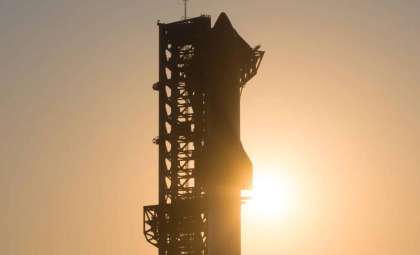
The forthcoming launch will evaluate both the Starship upper stage and the Super Heavy booster, aiming to execute a daring new recovery technique. While earlier flights saw the booster splash down in the Gulf of Mexico, the goal this time is to recover it using the Starbase facility in Texas. There, robotic arms integrated into the “Mechazilla” tower will attempt to capture the booster mid-descent, an essential step toward making Starship fully reusable.
Bill Gerstenmaier, SpaceX’s vice president of build and flight reliability, expressed confidence in the approach, referencing the company’s impressive booster landing precision in past launches. "We achieved a landing accuracy within half a centimeter at sea," he shared, suggesting the potential success of the tower catch. Still, SpaceX underlines that numerous system benchmarks must be met for the catch to occur; failing which, the booster would revert to a water landing as a fallback.

NASA’s Strategic Focus on Starship for Artemis
NASA’s excitement for the test is driven by Starship’s central role in the Artemis program, especially Artemis 3, which seeks to bring astronauts back to the lunar surface after decades. A specially modified Starship will function as the lunar lander, designated the Human Landing System (HLS). The success of Starship is therefore crucial for NASA’s vision of sustained lunar exploration and future crewed Mars missions.
This test is part of a broader effort to confirm that SpaceX can handle the operational challenges of moon missions. One major hurdle is proving the ability to conduct in-space propellant transfers, a sophisticated process needed to refuel the Starship lunar lander while in orbit before the lunar descent. SpaceX intends to establish a fuel depot in Earth orbit, replenished by multiple Starship flights, to service the lunar vehicle. Glaze highlighted the importance of demonstrating this capability and mastering its intricacies during the upcoming propellant transfer trial.
NASA continues to track these advances carefully, knowing that SpaceX’s progress will heavily influence Artemis mission timelines. Successful propellant transfers combined with booster recapture will be key steps in readying Starship for Artemis 3’s objectives.
Navigating FAA Regulations
Although SpaceX targets an October 13 lift-off, obtaining clearance from the Federal Aviation Administration (FAA) remains a critical hurdle. Previously, the FAA suggested licensing might be delayed until November due to environmental review complexities linked to the revised flight plan.
Starship’s fifth flight test is preparing to launch as soon as October 13, pending regulatory approval → https://t.co/hibmw2lVv1 pic.twitter.com/Suw1kKLHiE
— SpaceX (@SpaceX) October 7, 2024
Recent updates indicate the FAA’s environmental assessment is progressing more swiftly than expected. The agency continues to review the broadened flight area assessment provided by SpaceX in mid-August and will finalize the license once all criteria are satisfied.
An FAA spokesperson noted that while no firm approval date has been set, there is cautious optimism that the license could be granted in time to support the October 13 launch date. SpaceX stands ready to adjust schedules if needed, but both the company and NASA are keen to proceed at the earliest opportunity.
Future Prospects for Starship
This fifth test phase represents a significant leap forward as SpaceX hones Starship’s performance. Beyond individual technical achievements, NASA and SpaceX are focused on achieving the launch cadence necessary to sustain the orbital propellant depot plan. Bill Gerstenmaier mentioned the expectation of performing 16 propellant transfer operations to support a single moon mission, a complex but feasible target.
Industry experts and NASA personnel watch SpaceX’s unconventional methods with great interest, acknowledging that their approach could revolutionize the U.S. strategy for long-term space exploration, including lunar bases and Mars expeditions. “We’ve all been watching SpaceX. They work a little differently from traditional industry,” remarked Glaze, highlighting SpaceX’s unique development tempo and style.
With a second launch tower underway at Starbase and potential launch expansions in Florida, the next months are critical for perfecting the Starship system. Both NASA and SpaceX remain hopeful these tests will set the stage for Starship’s essential role in humanity’s future space voyages.









0 comments
Sign in to Comment