
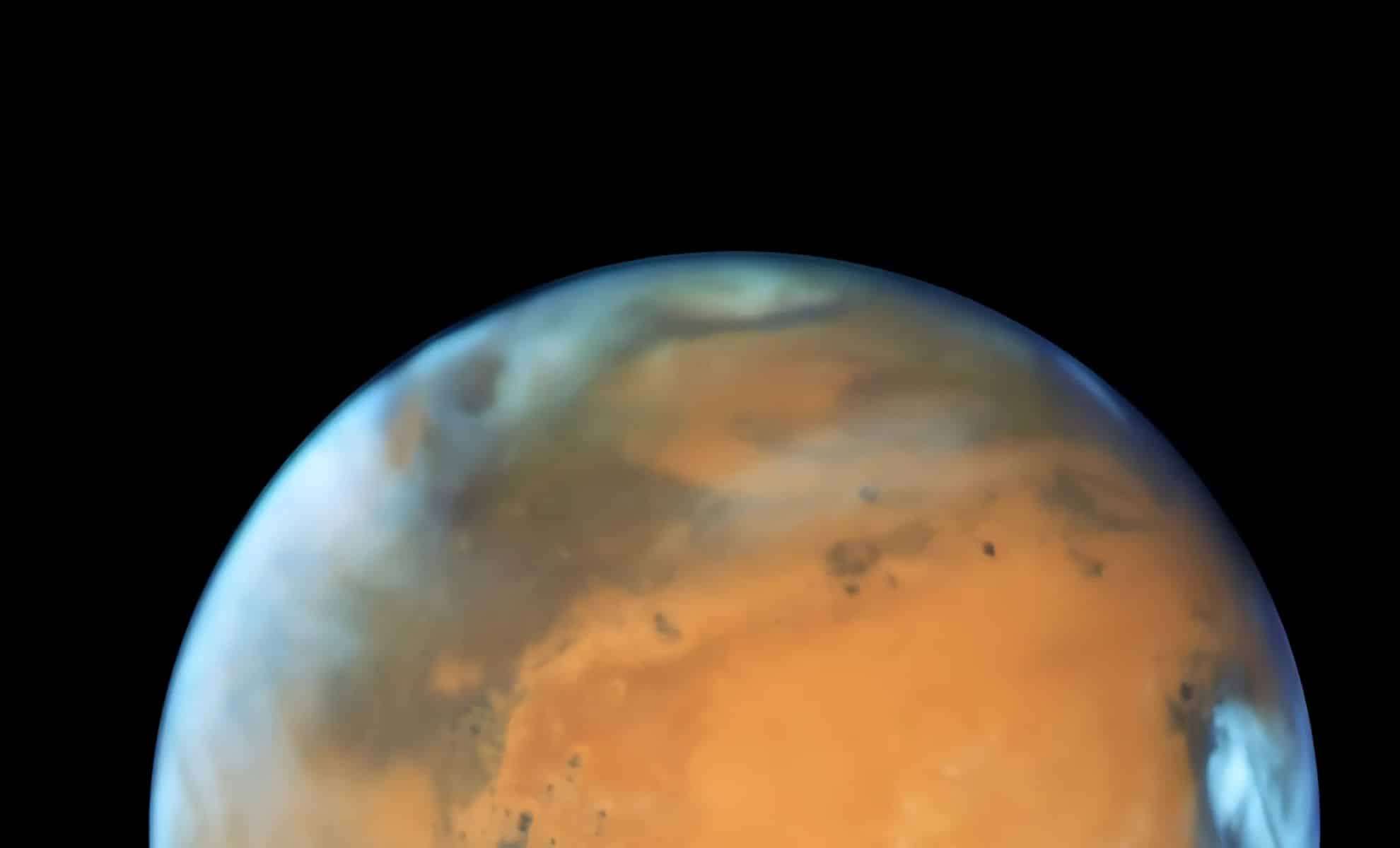
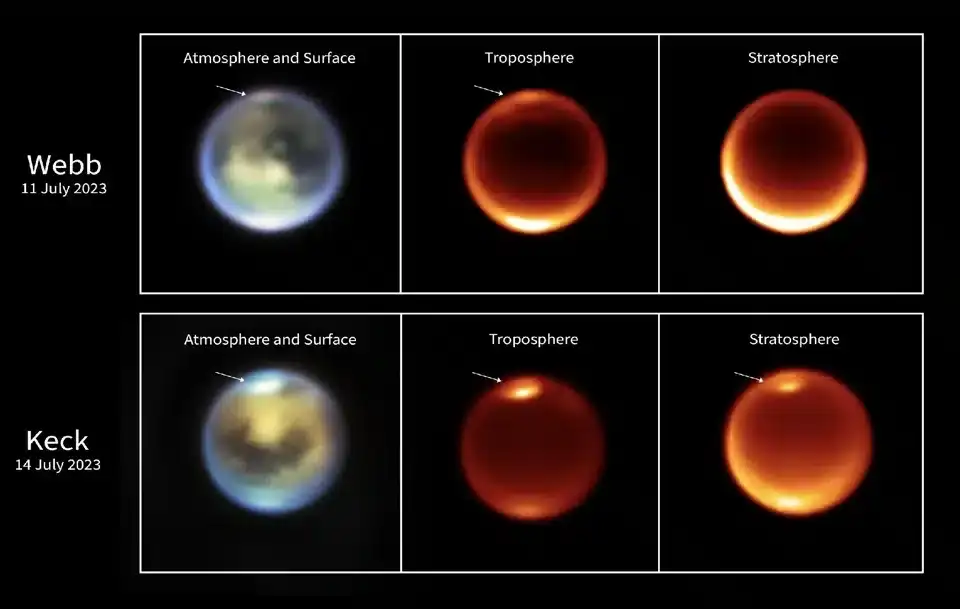
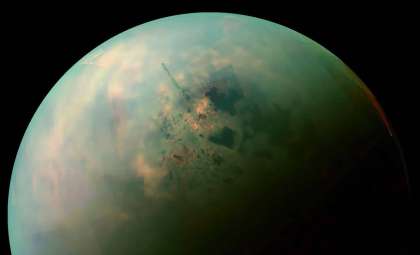
Using observations from the James Webb Space Telescope alongside Hawaii's Keck II telescope, astronomers have uncovered striking atmospheric phenomena on Titan, the largest moon orbiting Saturn. For the first time, clouds have been seen forming and ascending over Titan’s northern regions, where extensive methane and ethane lakes reside.
Weather Systems on a Moon That Mirror Earth’s
Titan, situated roughly 880 million miles from Earth, is enveloped in a thick haze and endures frigid conditions near -300 degrees Fahrenheit. Despite this, Titan’s atmosphere is primarily nitrogen, a characteristic it shares with Earth, captivating scientists who have long suspected that methane precipitation cycles replenish its hydrocarbon lakes and seas.
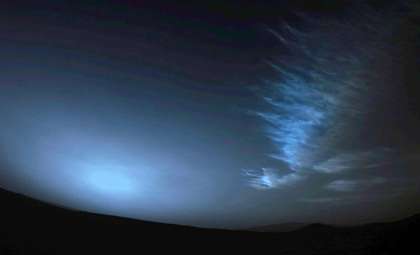
Over several consecutive days, the research teams recorded the upward movement of methane clouds near Titan’s North Pole, home to many of these liquid reservoirs. This observation bolsters the hypothesis that seasonal methane showers replenish the surface bodies in a process akin to Earth’s summer storm cycles, referenced in terrestrial weather events.

Lead author and NASA scientist Conor Nixon shared in the study published in Nature Astronomy, "We monitored methane clouds evolving near Titan’s North Pole over multiple days, precisely where Cassini found vast methane lakes and seas."
Chemical Dynamics Within Titan’s Sky
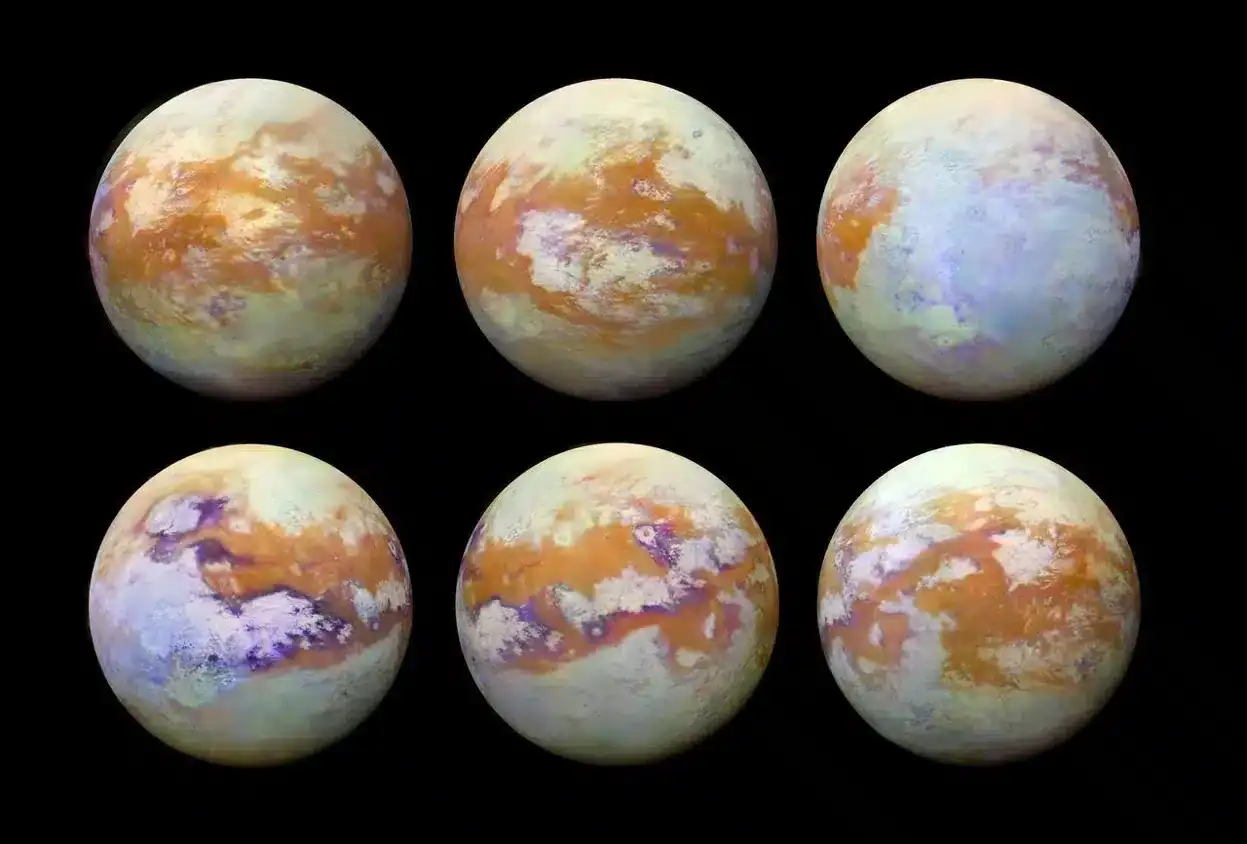
The Webb telescope also identified the presence of the methyl radical—a reactive molecule—in Titan’s atmosphere. Given its fleeting nature, this molecule’s detection implies active chemical processes are ongoing in the moon’s air, reminiscent of organic chemistry observed on Earth that is connected with life’s emergence.
Nixon added, “The constant presence of methane hints at a possible continuous release from Titan’s interior and crust over billions of years. Without such a supply, the methane would vanish and leave Titan as little more than a dusty, barren landscape.” This indicates Titan’s methane-rich atmosphere may be sustained by internal geological activity.
Unlocking Titan’s Mysteries with NASA’s Dragonfly
Titan’s Earth-like atmospheric phenomena, combined with its abundance of organic molecules, make it a prime candidate for future exploration. NASA’s upcoming Dragonfly mission aims to arrive in the 2030s, deploying a rotorcraft drone to investigate Titan’s surface environment and composition in detail.
One remarkable discovery from the recent studies is the exceptional altitude of Titan’s troposphere, which stretches up to 28 miles—much greater than Earth’s 7.5 miles—due to Titan’s weaker gravity.
This vertical extent influences Titan’s weather development, where solar heating during its northern summer triggers the rise of methane clouds. Researchers intend to continue monitoring these patterns, particularly after Titan’s equinox, to gain deeper insight into how seasonal changes drive this moon’s climate.
- Categories:
- Space






0 comments
Sign in to Comment