

Since arriving at Jupiter in 2016, NASA’s Juno spacecraft keeps delivering groundbreaking views into the gas giant’s atmospheric phenomena.
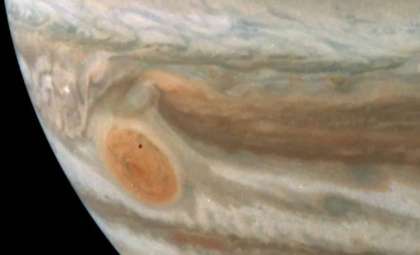
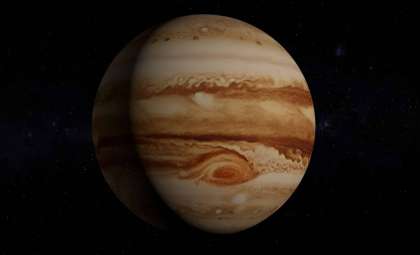
On May 12, 2024, during its 61st close orbit, Juno snapped a vibrant, enhanced image of Jupiter’s northern regions, revealing the planet’s swirling and unpredictable cloud formations.
This detailed photograph exposes the intricate atmospheric activity that defines Jupiter, providing researchers with critical data on planetary weather systems.

Probing Jupiter’s Turbulent Northern Zones
During the recent approach, Juno captured imagery of the folded filamentary region, an area marked by chaotic vortices and rapidly shifting cyclonic storms. Unlike the usual orderly bands shaped by jet streams, these jets falter here, allowing turbulent cloud patterns to dominate.
Citizen scientist Gary Eason processed the raw visuals collected by the JunoCam instrument, enhancing their hues and sharpness. At the time, Juno was about 18,000 miles (29,000 kilometers) above the cloud layer, centered near 68 degrees north latitude. This vantage point afforded a clear, high-resolution view of the planet’s atmospheric interplay.
Empowering Citizen Scientists in Space Exploration
Individuals like Gary Eason significantly contribute to NASA’s missions by refining spacecraft imagery from platforms such as Juno. Utilizing digital editing, Eason amplified the vibrant colors and subtle details in Jupiter’s clouds. This teamwork between NASA and public participants not only beautifies the images but also aids scientific investigation by spotlighting subtle atmospheric phenomena.
JunoCam’s original photos are openly accessible for the public to enhance. NASA invites readers to join this effort by visiting the JunoCam Processing website. This public collaboration helps fuel enthusiasm for space science and contributes to Jupiter research.
Unveiling Atmospheric Mysteries with Juno
Juno’s data sheds light on the complex atmospheric mechanisms at work on Jupiter. The folded filamentary regions are especially valuable for understanding the dynamic interactions that generate the planet’s unique cloud patterns and weather systems. Investigating such zones assists scientists in unraveling the forces influencing Jupiter’s atmosphere.
Insights from Juno also extend to comparative planetology, helping refine atmospheric models applicable to Earth and other worlds. By contrasting Jovian weather with terrestrial systems, researchers can better predict climate behaviors and weather phenomena, deepening our grasp of planetary atmospheres across the solar system.
Juno’s Enduring Contributions to Planetary Science
Launched in 2011, Juno’s mission centers on uncovering Jupiter’s formation history, internal structure, atmosphere, and magnetic environment via close-up, long-term observation. Since 2016, Juno’s suite of instruments has peeled back the layers of the giant planet’s clouds, illuminating the complexities of its atmospheric and magnetic processes.
The folded filamentary regions captured during this flyby particularly fascinate scientists, revealing how varied atmospheric forces combine to sculpt Jupiter’s iconic cloudscape and storm activity. Learning more about these regions offers clues to the powerful dynamics driving the planet’s weather.
Juno’s findings resonate beyond Jupiter, enhancing our comprehension of planetary atmospheres as a whole. By shedding light on the largest planet in the solar system, Juno’s research supports better understanding of atmospheric behaviors on planets including Earth, enriching climate models and weather forecasts.
- Categories:
- Astronomy ,
- News ,
- Space ,
- Nasa ,
- Aircraft




0 comments
Sign in to Comment