
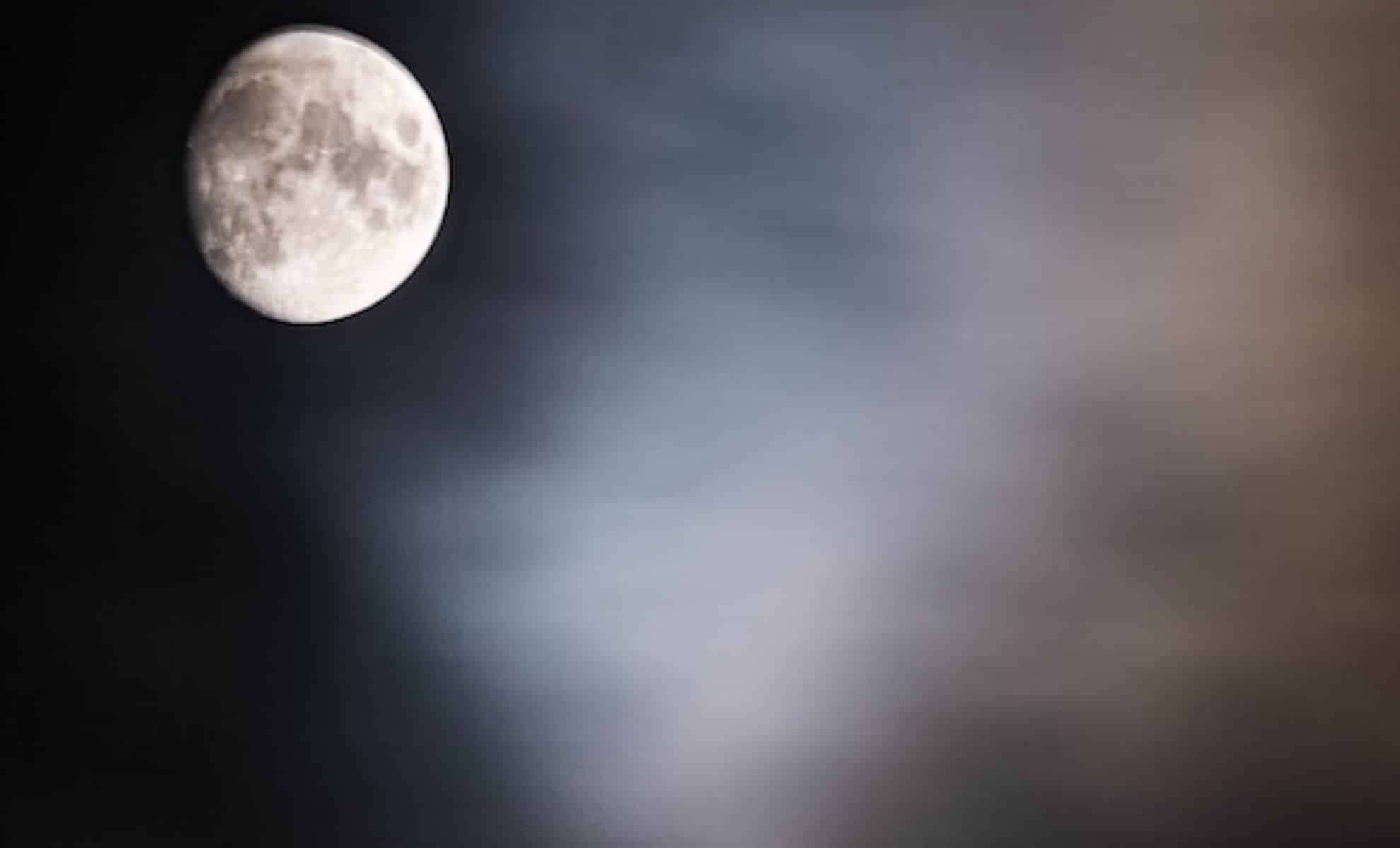
A remarkable lunar event is unfolding this evening as the Moon ascends to an unusually high point in the sky, reaching one of its most extreme heights seen in nearly 20 years. If you glance upward, especially from the southern U.S. or certain areas of Europe, you will notice the waxing gibbous Moon positioned farther north and much higher than you would typically expect.
This extraordinary sight is linked to the Moon's orbital movements, currently at a phase called the “major lunar standstill,” a rare celestial event that takes place only once every 18.6 years. During this time, the Moon’s apparent altitude in the sky (declination) reaches extreme values—making it soar unusually high some nights and dip particularly low on others.
Both amateur stargazers and professional astronomers are eagerly anticipating this event, as it offers a unique chance to observe the Moon in an exceptional position—an opportunity that won’t recur until 2043. Whether you're a dedicated skywatcher or simply captivated by the night sky, this is an unmissable astronomical spectacle.

What Causes the Moon to Reach Such Heights Tonight?
The Moon’s location overhead is influenced by Earth’s axial tilt combined with the Moon’s own orbital tilt. Unlike the Sun’s yearly shift between 23.5° north and south along the celestial equator, the Moon’s orbit tilts an additional 5.1°. As a result, its highest and lowest sky points slowly migrate over time, peaking every 18.6 years.
This phenomenon, known as the “lunar standstill,” is approaching one of its most pronounced phases in 2025. During this interval, the Moon’s tilt range widens, allowing it to attain higher maximum altitudes when north of the celestial equator and lower minimum altitudes when positioned south.
On this night, the Moon will appear much farther north than usual, causing northern hemisphere observers to see it elevated well above its typical height. Meanwhile, viewers in the southern hemisphere will notice the Moon lower in the sky, offering a striking contrast based on geography.
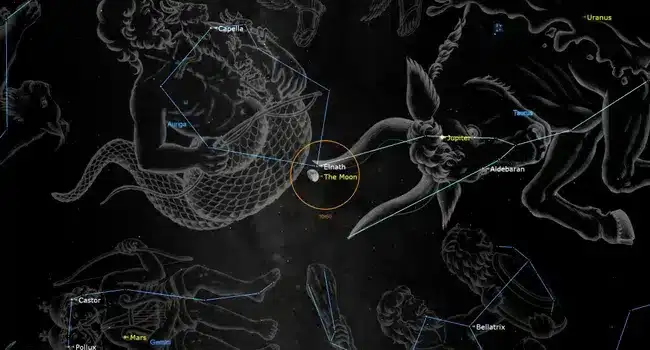
Best Viewing Spots and Timing for Tonight’s Moon
To catch this rare lunar display, plan to look for the Moon at these locations and times:
Ideal Viewing Regions:
- Southern U.S. cities like Miami, Brownsville, and Houston
- Central to Northern Europe including London, Paris, and Berlin
- Canada's parts such as Toronto and Vancouver
- North Africa cities like Cairo and Algiers
Viewing Suggestions:
- Observe near the sky's highest point (the meridian) between 8 and 10 p.m. local time
- In places like Miami or Brownsville, Texas, the Moon may appear nearly overhead or even beyond zenith
- Use binoculars or telescopes for a detailed look at lunar surface features
- Note the Moon’s height tonight versus upcoming nights, when it will appear noticeably lower due to its orbital cycle
Implications for Upcoming Lunar Observations
The major lunar standstill will continue to influence the Moon’s extreme altitudes for the months ahead, meaning you’ll have several more chances this year to see the Moon in unusually high or low positions in 2025.
This cyclical pattern is more than a visual curiosity—it has been pivotal in historical astronomy, lunar calendar tracking, and tide predictions. Ancient peoples including the Celts, Babylonians, and Native American groups monitored these lunar shifts carefully to anticipate seasonal changes and inform agricultural timing.
For today’s researchers, this event offers a rare window to study lunar dynamics. Observations help improve lunar orbital models, enhance spacecraft navigation systems, and deepen understanding of long-term Earth-Moon relationships.
A Must-See Lunar Phenomenon
Whether you're passionate about astronomy or just enjoy a fantastic sky scene, tonight’s elevated Moon presents an exceptional opportunity. Especially in the southern U.S. and parts of Europe, this display promises an awe-inspiring celestial view.
If you can’t catch it tonight, rest assured there will be more chances throughout 2025. However, a Moon this high won’t grace the sky again until 2043, so take advantage of this unique event.
Step outside, gaze upward, and revel in this rare lunar spectacle that only comes once in a generation.
- Categories:
- News




0 comments
Sign in to Comment