
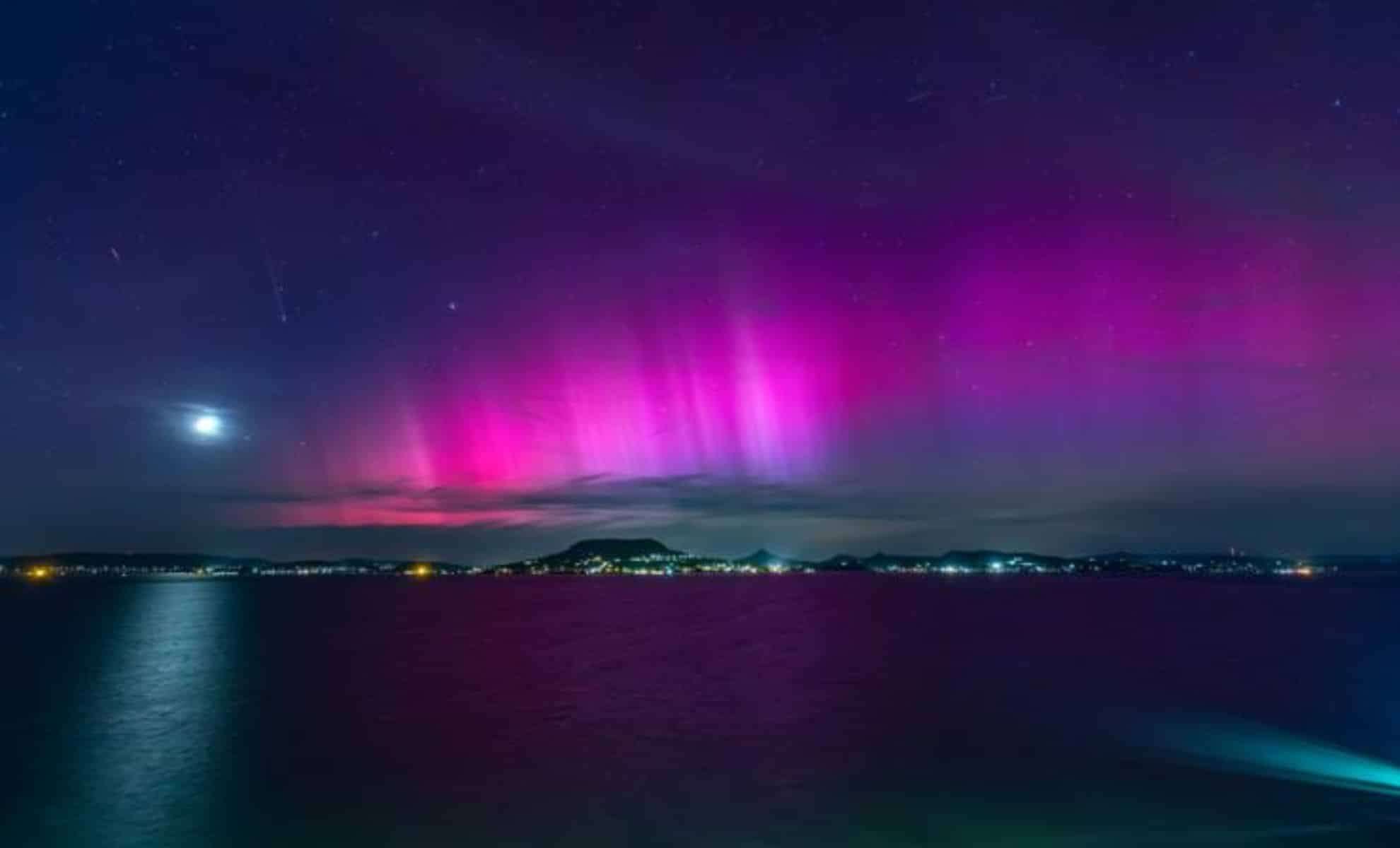
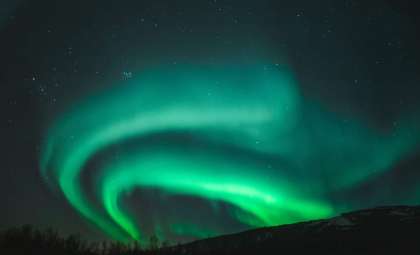
The captivating aurora borealis, known as the Northern Lights, lights up the night sky with dazzling colors, mostly visible in northern regions around the globe.
Tonight offers a distinctive chance for viewers in multiple U.S. states to observe this spectacular natural light show. It could be the last opportunity this week as the current surge in geomagnetic activity is expected to wane. This stunning display is caused by intensified solar activity impacting Earth’s magnetic environment.
Best Locations to Catch the Northern Lights
The National Oceanic and Atmospheric Administration (NOAA) continues to monitor geomagnetic storms through tonight, signaling that the Northern Lights may be visible as far south as northern Oregon, stretching across regions from the upper Midwest to the Northeast.

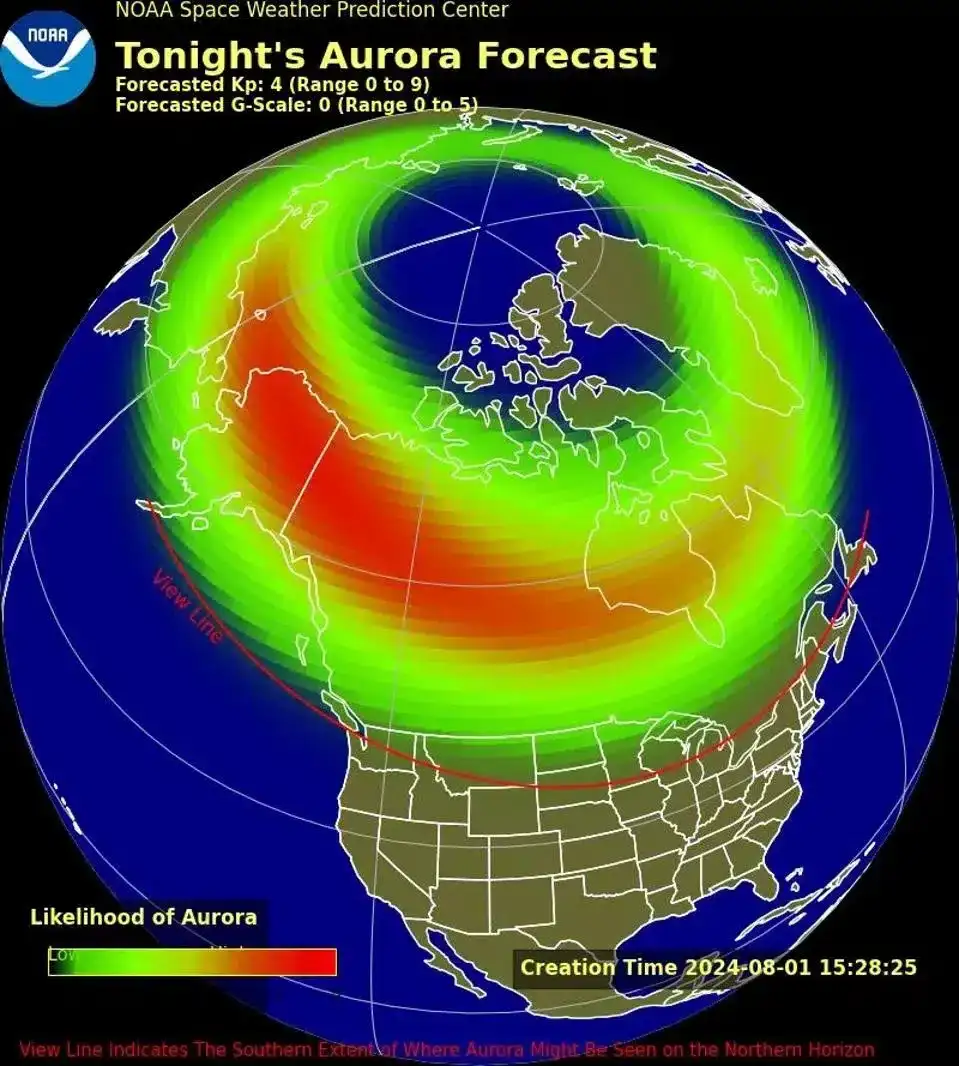
This viewing opportunity spans states including Alaska, Washington, Idaho, Montana, North Dakota, Minnesota, Wisconsin, Michigan, New York, and Maine. Visibility depends on the Kp index, which gauges geomagnetic disturbance levels. With forecasts placing the Kp index near level four tonight, this moderate activity opens the door for a wider swath of observers to catch the lights.
What to Anticipate from Tonight’s Aurora
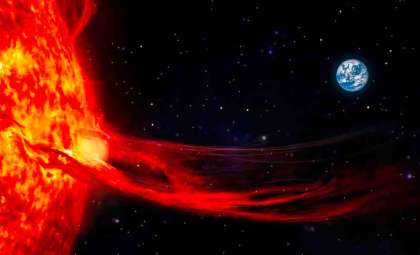
The aurora display tonight is driven by several recent coronal mass ejections (CMEs)—massive solar bursts of charged particles and magnetic fields expelled from the sun’s corona. These have been interacting with Earth’s magnetosphere, generating geomagnetic storms.
A notable contributor is the so-called “Cannibal CME,” where multiple CMEs merged into a more powerful eruption, intensifying geomagnetic responses.
This interaction, combined with ensuing smaller CMEs, has fueled impressive auroral activity over recent days. The NOAA’s extended storm watch suggests tonight’s geomagnetic storm could range from a moderate G2 to a minor G1 level, potentially enhancing aurora visibility.
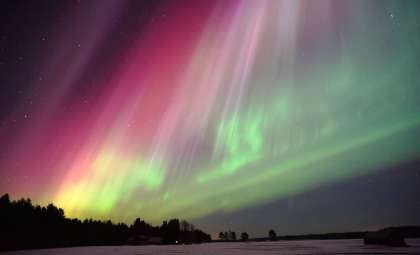
The Northern Lights are likely to manifest as vibrant curtains of shifting light, predominantly green with occasional flashes of red, pink, or purple, depending on how charged solar particles interact with atmospheric gases.
Tips for Optimal Aurora Viewing
For those planning to witness the Northern Lights, selecting a spot away from artificial lights is essential. Rural areas with little to no light pollution offer the clearest views. The prime viewing window is generally between 10 p.m. and 2 a.m. local time.
Weather plays a big role, too. Cloud cover or airborne smoke—especially from wildfires in parts of Canada and California—can obscure visibility. Checking local weather forecasts beforehand helps pick the best viewing conditions. Photographers may benefit from cameras set to night mode to capture the subtle, yet enchanting colors that might be difficult to see with the naked eye.
Insights into the Current Solar Cycle
An uptick in Northern Lights appearances is tied to Solar Cycle 25, an approximately 11-year cadence of solar magnetic activity. Beginning in 2019, this cycle is predicted to reach its peak between late 2024 and early 2026. During this peak, the increase in sunspots correlates with many more solar flares and CMEs.
Sunspots are key players in producing geomagnetic storms that trigger these mesmerizing auroral displays. As Solar Cycle 25 approaches its height, the frequency and intensity of the Northern Lights should rise, promising even more incredible skywatching events.
With tonight likely the final opportunity this week to catch the Northern Lights, skywatchers across the United States have a rare chance to witness this breathtaking natural spectacle. Whether you’re an experienced aurora enthusiast or new to this phenomenon, the night promises a vivid celestial show not to miss.
- Categories:
- Astronomy ,
- News ,
- Space






0 comments
Sign in to Comment