
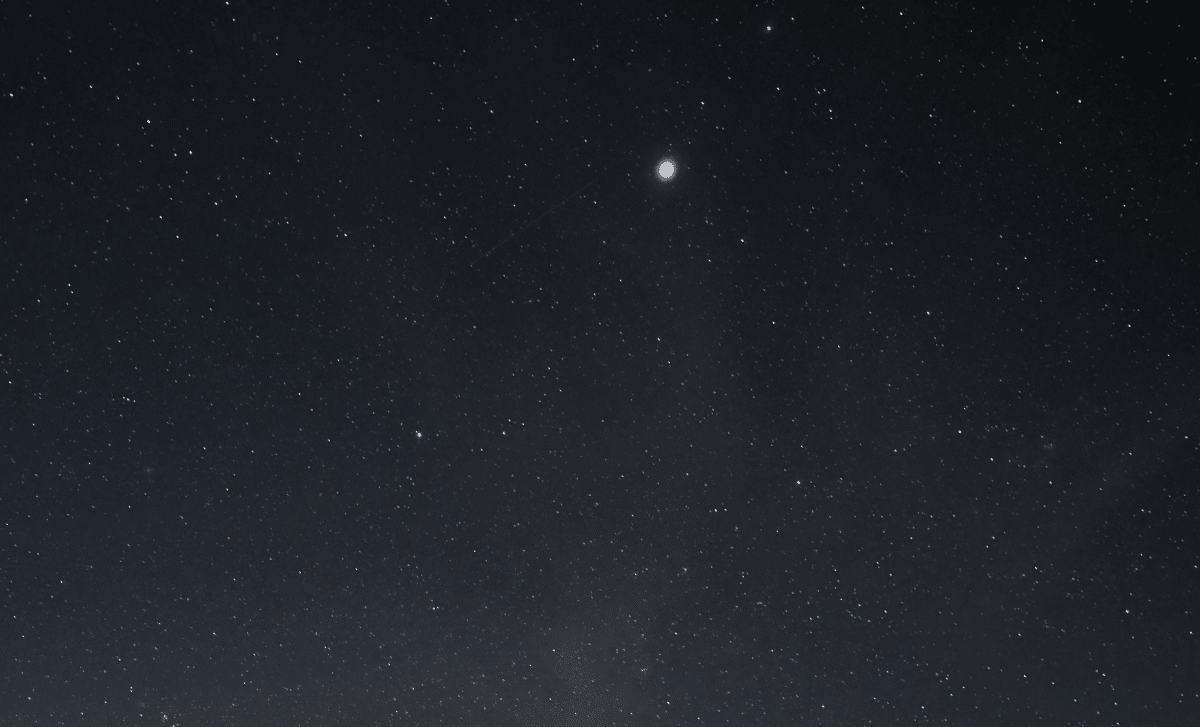
A brilliant star visible without aid will briefly vanish this evening, offering skywatchers a fascinating glimpse into celestial dynamics as an asteroid blocks its light from Earth.
Moon and Regulus Align for an Extraordinary Event
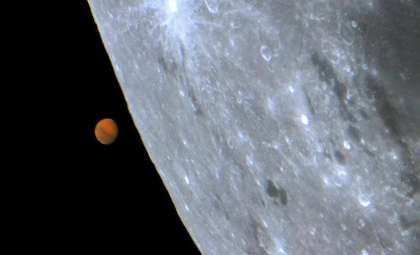
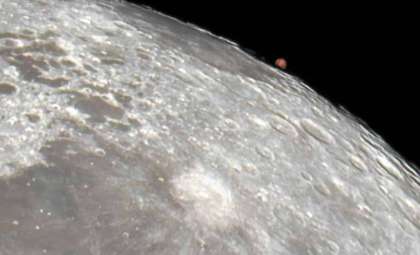
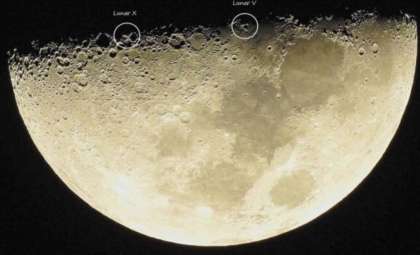
This event focuses on Regulus, the brightest star in the Leo constellation and a first-magnitude star. The waxing gibbous Moon, illuminated around 70%, will pass directly in front of Regulus, causing a lunar occultation, where the Moon obscures the star from Earth’s viewpoint.
The star’s disappearance will seem immediate to observers positioned in the right location, vanishing suddenly as it moves behind the Moon’s dark limb. Regulus will reappear more subtly on the illuminated side, often requiring optical aids due to the Moon’s glare.

Because the Moon moves quickly relative to background stars, the event’s visibility depends heavily on precise location. A few miles difference can mean the star is fully hidden or remains visible.
Timing and Best Viewing Locations
As reported by Space.com, prime viewing will be accessible across portions of the eastern U.S., particularly in the mid-Atlantic and southeastern states. Areas such as New Jersey, Pennsylvania, Maryland, and parts of North Carolina lie within the key path for the occultation.
The timing varies by location but generally occurs in the early evening, with the star disappearing during twilight and reappearing under darker skies, which might affect visibility in some regions.
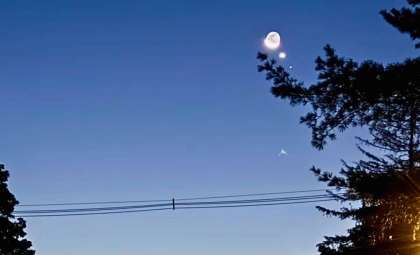
Those outside the direct path may witness the Moon passing very close to Regulus, creating a near occultation. These close calls illustrate how exact the alignment must be for a full occultation to occur.
An Unusual Flickering Effect Near the Moon’s Rim
Some narrow locations may experience a grazing occultation, where Regulus seems to flicker as it crosses over the Moon’s jagged edge. This flickering results from the Moon’s mountains and valleys alternately blocking and revealing the starlight.
This phenomenon is especially likely in parts of New Jersey, where the alignment is particularly exact. The star could vanish and reappear repeatedly, producing a unique and captivating display.
Scientists value these grazing occultations because each flicker corresponds to a lunar surface feature, helping improve our understanding of the Moon’s topography.
- Categories:
- News




0 comments
Sign in to Comment