
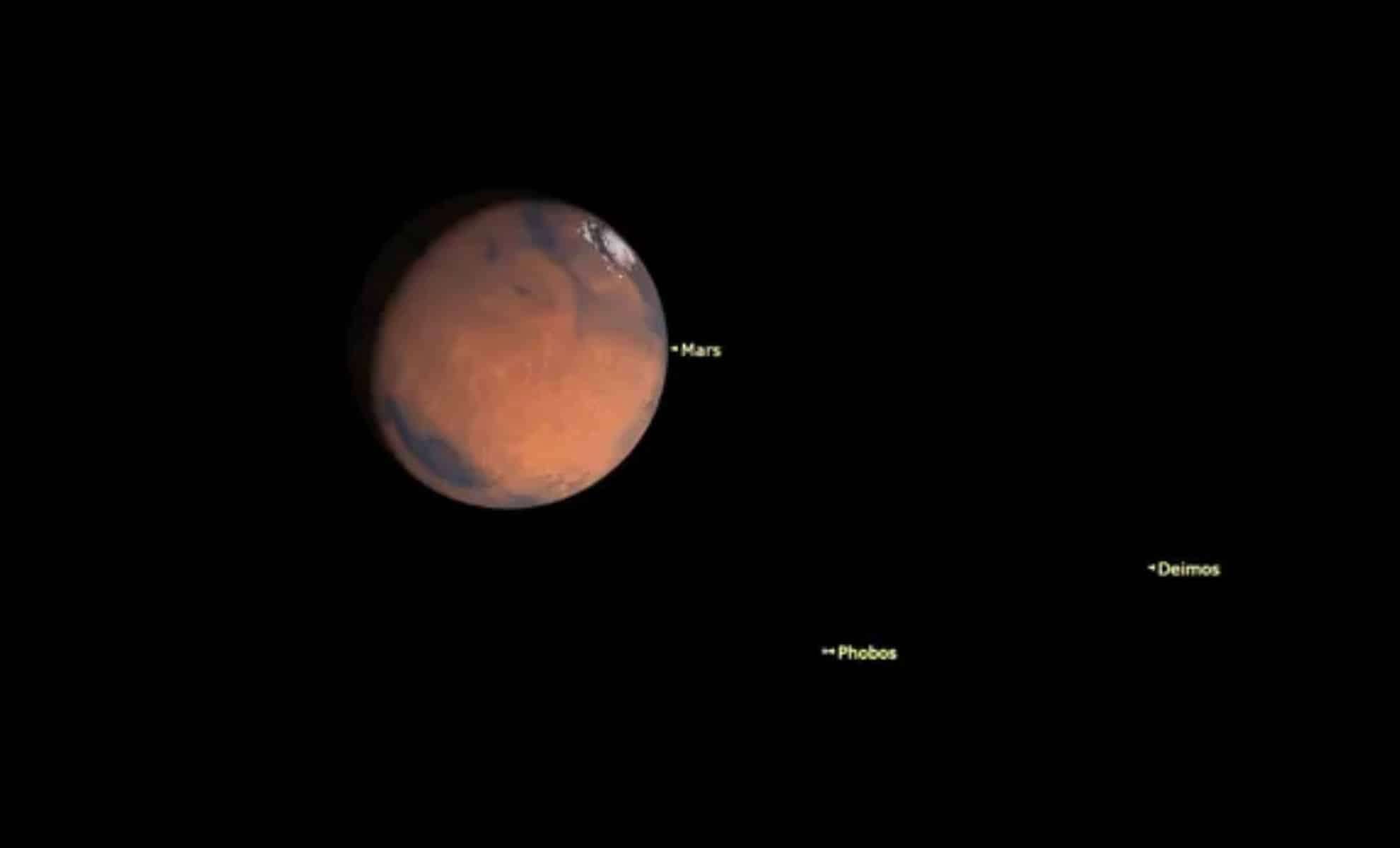
This June offers a spectacular opportunity for sky enthusiasts to witness captivating celestial displays featuring the Red Planet, Mars. Although Mars has been drifting away since its January opposition, it remains a vivid highlight in the night sky. Throughout the month, it will align closely with notable stars and the moon, providing dramatic views for both novice and seasoned observers. As reported by Space.com, Mars will draw near to Regulus, the prominent star of the Leo constellation, before approaching the crescent moon in the latter part of June.
June’s Highlight: Mars Joins Regulus in the Night Sky
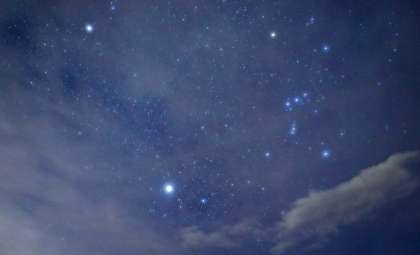
Between June 13 and 20, skywatchers can enjoy an impressive conjunction of Mars and Regulus. Regulus, a striking blue-white star sitting at Leo’s core, will appear exceptionally close to Mars. Their separation will be merely about 2 degrees, with the closest approach occurring from June 15 to June 18. Those observing near 40 degrees north latitude will witness Mars almost directly above Regulus around June 17. Despite neither object being the brightest overall, their proximity and similar brightness levels create a captivating visual contrast. Mars glows with its characteristic orange-gold tint, while Regulus shines cool blue-white, making this conjunction a memorable spectacle for anyone looking up during the early evening hours.
Later in June: The Crescent Moon Nears Mars in the Evening Sky
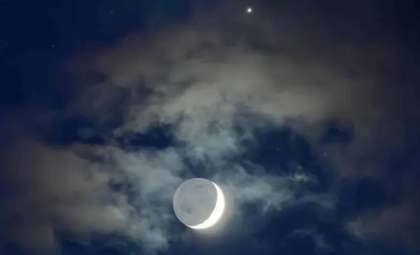
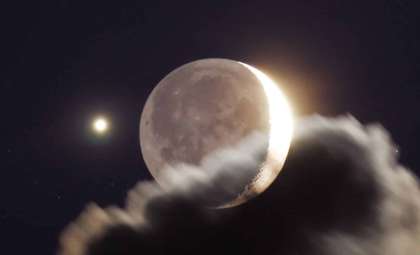
As June closes, attention will turn to a close encounter between the waxing crescent moon and Mars. On June 29, these two will appear side by side in the western sky shortly after sunset. While few locations across North America will see a full occultation of Mars by the moon, the close adjacency itself will make for a striking visual event. Traveling eastward in its orbit, the moon will pass just beneath Mars. Observers in the U.S. and Canada can catch this close pairing around civil twilight, spotting Mars with binoculars before darkness fully sets in. In some spots, Mars will be nearly 20 arc minutes from the moon’s upper edge, creating a stunning scene that highlights Mars’ warm, reddish glow set against the moon’s soft illumination.

The Road Ahead: Mars’ Journey Beyond June
Following these dramatic meetings in June, Mars will continue its gradual retreat from Earth’s perspective, slowly dimming over the coming months. By autumn, it will become a second-magnitude object, less brilliant but still observable. Mars will pass just north of Spica on September 13 and near Mercury on October 19. As it descends lower in the sky, viewing conditions will worsen, and Mars will eventually fade into evening twilight by early November. At that point, it will be roughly 225 million miles away, positioned on the far side of the sun. Nevertheless, this June offers an exceptional chance to witness Mars in striking conjunctions before it fades from easy view.
- Categories:
- News









0 comments
Sign in to Comment