
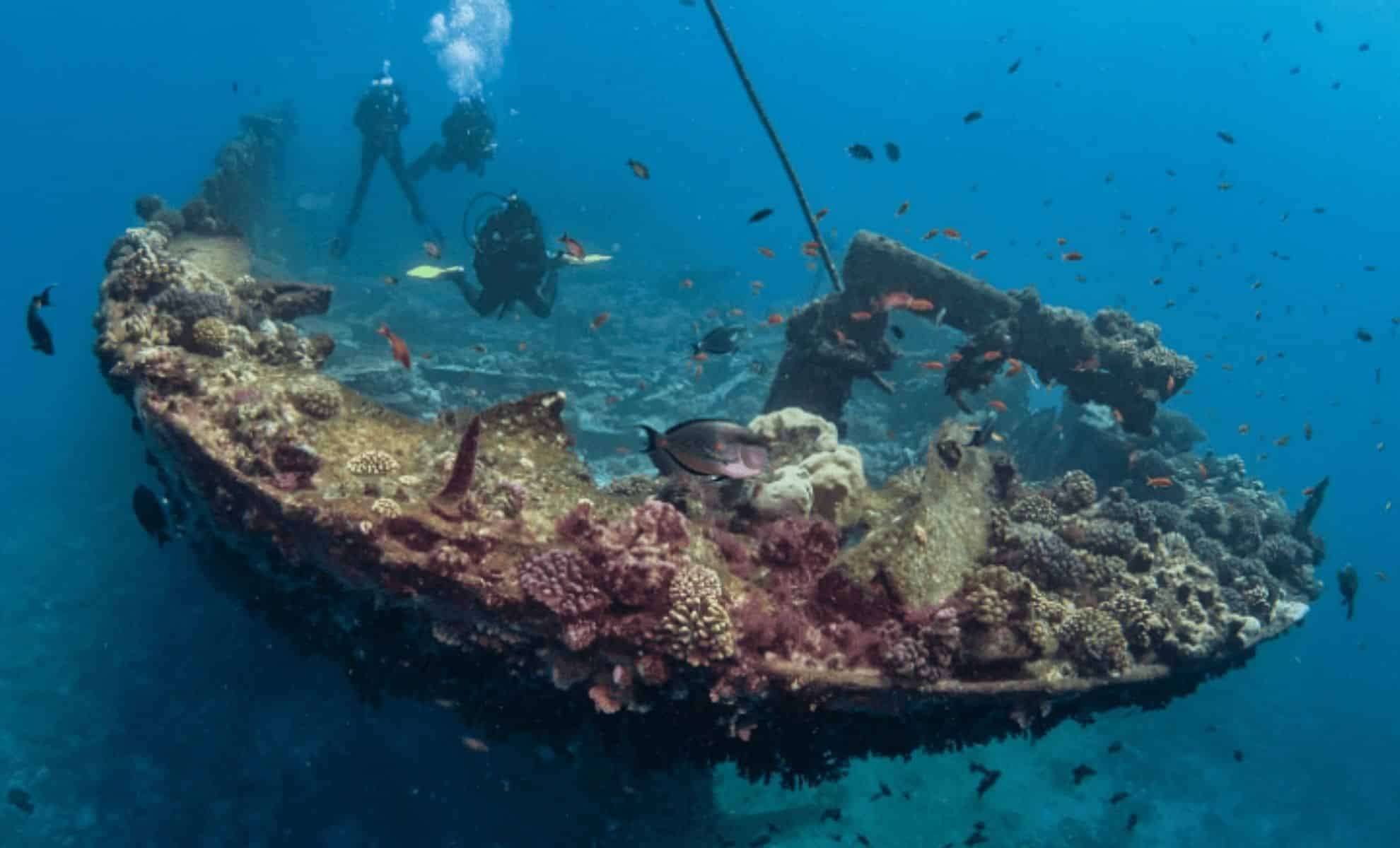
Off the coast of Portugal lies a submerged archive of historical treasures and captivating maritime heritage. Marine archaeologist Alexandre Monteiro has cataloged over 8,620 shipwrecks in this region, with one remarkable vessel—the Nossa Senhora do Rosário—thought to have been carrying an estimated 22 tons of gold and silver. This is just one among approximately 250 shipwrecks believed to hold significant treasures beneath the waves.
Though the exact resting place of the Nossa Senhora do Rosário has yet to be revealed, Monteiro’s findings have drawn worldwide attention to Portugal’s underwater legacy. These sunken ships serve as time capsules, revealing stories of maritime trade, exploration, and conquest. However, increasing industrial activities threaten their preservation, making urgent protection necessary.
Decades of Research Lead to a Historic Find
The journey to uncover the secrets of the Nossa Senhora do Rosário has been a story of dedication and meticulous investigation. Monteiro spent years examining ancient archives and historical records to piece together the ship’s tale. “I delved into the ship’s history; I even uncovered the name of the captain’s mother. According to official archives, the ship carried 22 tons of gold and silver,” Monteiro shared, as reported by Euro Weekly News.

His extensive research spanned several countries and historical documents, culminating in a significant underwater expedition. “I was determined to locate the ship. After four years of archival research, I conducted a dive and immediately identified the wreck site on my first attempt,” he recalled to Observador.
The discovery highlights the magnetic pull of maritime history and its valuable stories. For Monteiro, the quest was more about recovering a vital chapter of Portugal’s heritage than the treasure alone.
Portugal’s Underwater Graveyard: A Trove of Lost Riches
The Nossa Senhora do Rosário represents just a fraction of the many submerged vessels along Portugal’s coastline. Monteiro’s investigations have pinpointed 250 wrecks believed to contain treasures among the 8,620 total recorded shipwrecks surrounding mainland Portugal as well as the Azores and Madeira archipelagos. These ships transported valuable commodities like gold and silver during the zenith of Portuguese maritime power.
“We know of 250 ships loaded with treasures, and inevitably, construction or infrastructure projects will uncover them. Yet, no formal protection plans are currently in place,” Monteiro cautioned. This lack of safeguards exposes these sites to damage from offshore development and other modern undertakings.
The treasures embedded in these wrecks reflect Portugal’s rich maritime legacy. Each shipwreck narrates a story of global trade, cultural exchange, and the seafarers’ experiences frozen in time.
Preservation Became Critical
Despite the vast cultural value of these underwater finds, the Portuguese authorities have not yet established comprehensive protection policies. Monteiro has presented his discoveries to government officials, urging recognition of the economic and historical importance of these submerged sites. However, progress remains limited.
These underwater relics face real dangers. Ongoing projects such as pipeline installations or offshore energy developments could irreversibly damage shipwrecks before their archaeological value is fully realized. In the absence of contingency strategies, the risk of permanent loss looms.
Monteiro’s urgent appeals resonate with experts worldwide encouraging Portugal to prioritize safeguarding its submerged cultural heritage. Proposals include creating marine protected areas and funding new archaeological missions to study and conserve these treasures.
The Significance of Sunken Treasures
Beyond their monetary worth, ships like the Nossa Senhora do Rosário provide invaluable perspectives on historical trade routes, colonial endeavors, and the lives of sailors. Items recovered—such as coins, ceramics, and navigational instruments—offer rich data on the interconnected world of past centuries.
Protecting these underwater sites also presents economic opportunities for Portugal. Well-managed preservation could attract global researchers and tourism, fostering sustainable growth rooted in cultural heritage. Achieving this, however, requires swift coordinated effort.
Safeguarding Portugal’s Maritime Legacy
The finding of the Nossa Senhora do Rosário marks a milestone but also underscores the extensive task ahead. Monteiro’s achievements demonstrate the potential for new discoveries, yet the absence of protective frameworks risks many treasures remaining out of reach or suffering irreparable harm.
As marine infrastructure and construction expand in Portuguese waters, protecting these sites grows ever more urgent. Presently, the narrative surrounding the Nossa Senhora do Rosário and the 250 treasure-packed vessels identified by Monteiro stands as both an inspiration and a call for conservation by archaeologists, policymakers, and heritage advocates.
These sunken riches are far more than precious metals; they are vital links to the past whose stories deserve preservation against the march of time.
- Categories:
- News















0 comments
Sign in to Comment