
During much of the 12th century, what is now Sweden remained a patchwork of local powers. Rival regional leaders, religious figures, and emergent monarchs vied for supremacy in a fragmented political environment. Though royal authority began to take shape, it was far from centralized, with institutions evolving gradually through both internal conflicts and influences from across Europe.
The monetary system mirrored this complexity. Circulating coins existed, but their legitimacy was inconsistent. Kings issued their own coin series, often short-lived and regularly replaced, while religious entities also struck currency independently to assert their financial power. Without a unified currency standard, periodic recoinage enabled secular and clerical authorities to manage revenues, regulate silver content, and exert control over local markets.
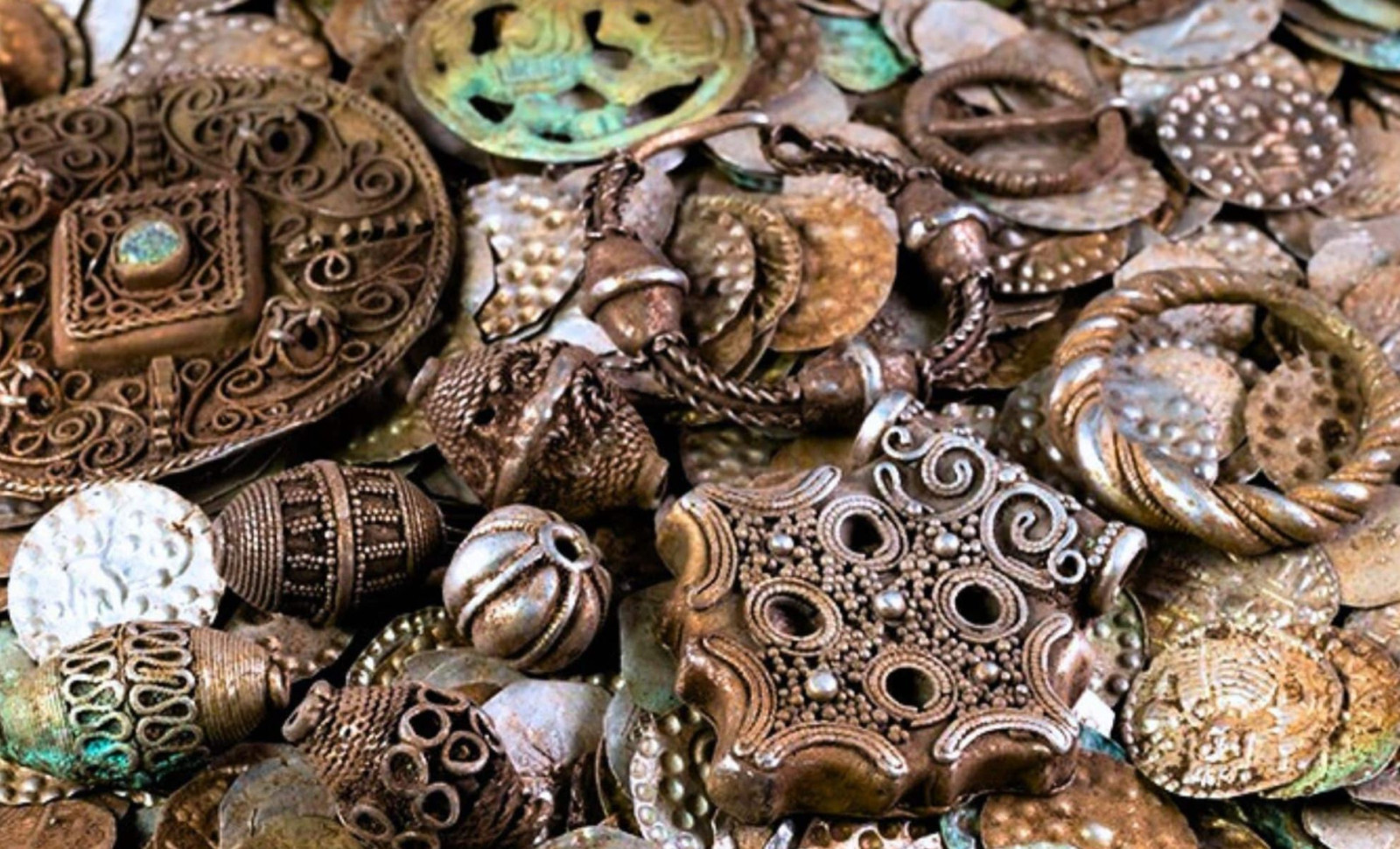
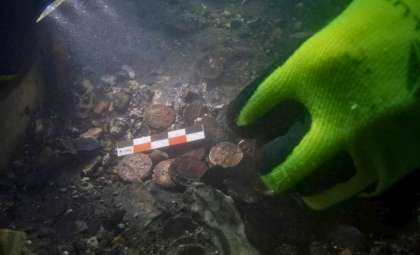
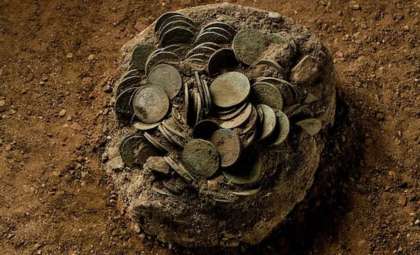
This backdrop heightens the importance of a recent find near Stockholm. A fisherman searching for bait stumbled upon a sealed copper container brimming with silver coins and jewelry. This cache ranks among the largest medieval treasure troves ever uncovered in Sweden, providing valuable insight into how political and ecclesiastical powers expressed themselves through coinage during this formative epoch.

Clues to Sweden’s Dual Sovereignty in Early Coinage
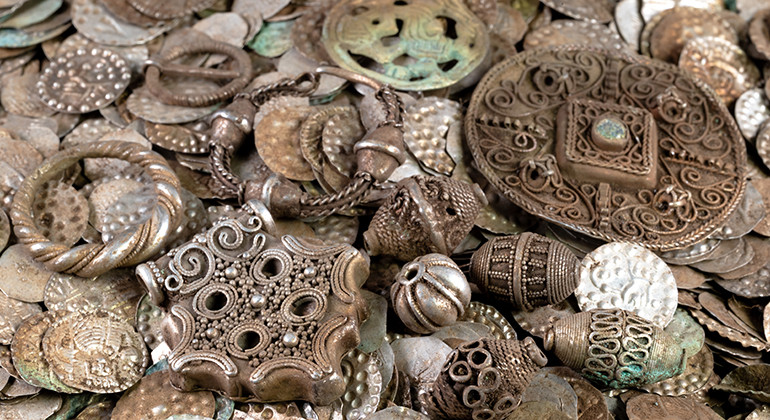
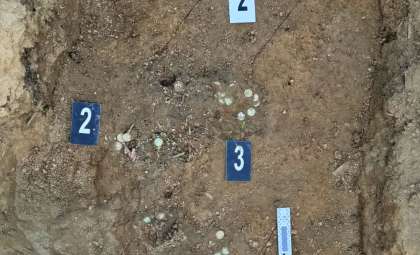
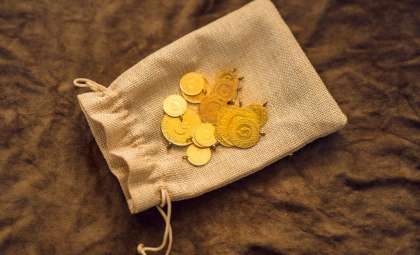
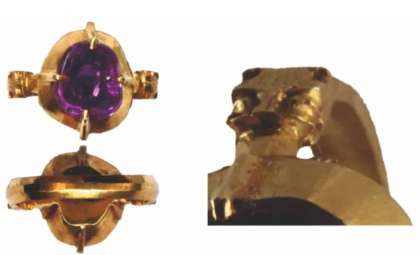
Experts from the County Administrative Board of Stockholm are leading the study of a treasure trove consisting of roughly 20,000 silver coins concealed within a copper cauldron, alongside various rings, pendants, and beads. Discovered in September 2025 during a private activity, the find was swiftly reported to the relevant authorities.
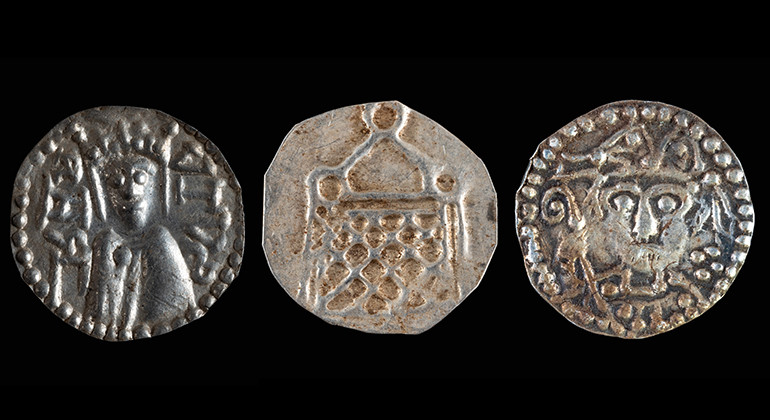
A significant portion of the coins carries the Latin name KANUTUS, attributed to King Knut Eriksson, who governed from the late 1160s to the 1190s. His reign was characterized by efforts to unify the realm after prolonged unrest. While historical documents mention him, this treasure provides tangible evidence to deepen understanding of his monetary policies and reach.
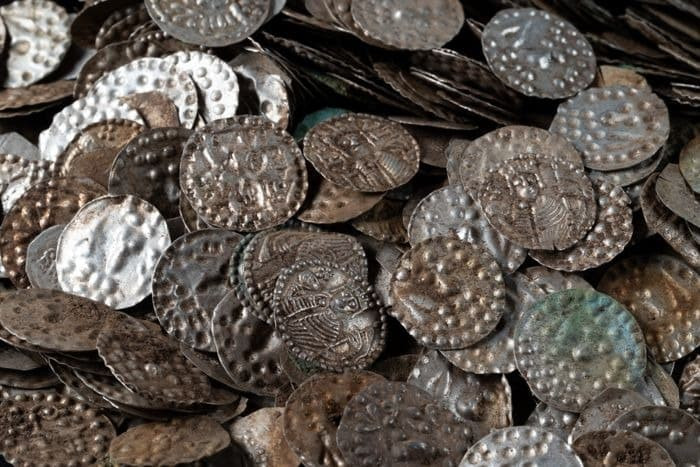
Additional coins depict bishops holding croziers, a common emblem of ecclesiastical power, or feature designs resembling churches and religious buildings. These motifs correspond with known church-minted coins found elsewhere, such as those detailed in a 2021 report by the Royal Norwegian Society of Sciences and Letters, highlighting similar autonomous ecclesiastical minting in Trondheim.
Earth.com quotes Sofia Andersson, antiquities specialist at the Stockholm County Administrative Board, who described the hoard as “likely one of the largest collections of early medieval silver unearthed in Sweden.” The excavation and preservation are ongoing, with site details withheld to safeguard the location.
Coinage Features Demonstrate Fragmented Economic Authority
Early inspections reveal the coins exhibit hallmark traits of regional minting: thin shapes, uneven edges, and dotted borders typical of 12th-century Scandinavian craftsmanship. Such characteristics support the view that production was decentralized, with limited-term rights granted to both secular rulers and church officials.
A 2017 analysis by economist Roger Svensson, published by the Research Institute of Industrial Economics, details how medieval Sweden’s monetary system employed frequent recoinage as a tool for tax extraction, silver regulation, and political dominance. Coins were routinely recalled and reissued to reset their value and reaffirm authority.
The hoard represents a unique chance to compare these theories with physical artifacts. Researchers plan to analyze die patterns to determine whether the coins originated from few or multiple mints. Metallurgical testing will measure silver purity to identify links between coins, recoinage periods, and regional origins.
Site Context Points to Hasty Burial Rather Than Official Deposit
The copper vessel was located less than one meter underground, with stratification suggesting a single, rapid burial event. No evidence indicates subsequent disturbance, implying the cache was concealed in response to a crisis and never retrieved.
This behavior aligns with known medieval European practices. In times of conflict, succession struggles, or economic instability, individuals often hid valuables temporarily but failed to reclaim them. The presence of personal jewelry supports the hypothesis that these items belonged to a private owner rather than an institution.
Initial assessments estimate the coins’ combined silver weight at about six kilograms. While the metal container has suffered significant degradation, the coins remain remarkably intact, many exhibiting clear inscriptions and crisp designs despite centuries underground.
Sweden’s Historic Environment Act mandates reporting of all major precious metal discoveries or archaeological artifacts to authorities. The finder abided by this law, allowing a controlled excavation under government oversight. Potential compensation will be considered following appraisal by the Swedish National Heritage Board.
Impacts on Understanding Medieval Scandinavian History
Once treated and catalogued, the coins will join national museum collections. Scholars will employ die-link studies, compositional tests, and comparative dating to link coin types with documented mints and political shifts from the late 12th century.
The co-presence of royal and church coinage within one stash suggests either a partially integrated monetary system or mutual acceptance of currency across overlapping domains. This raises key questions about how ecclesiastical authorities negotiated currency usage with royal power, and whether some coins were confined to church territories.
Further research promises to clarify the geographic scope of Knut Eriksson’s fiscal reach as well as illuminate the church’s role in coin production. Given scant written records from this period, these physical relics are invaluable for reconstructing medieval regional power structures.
- Categories:
- News







0 comments
Sign in to Comment