
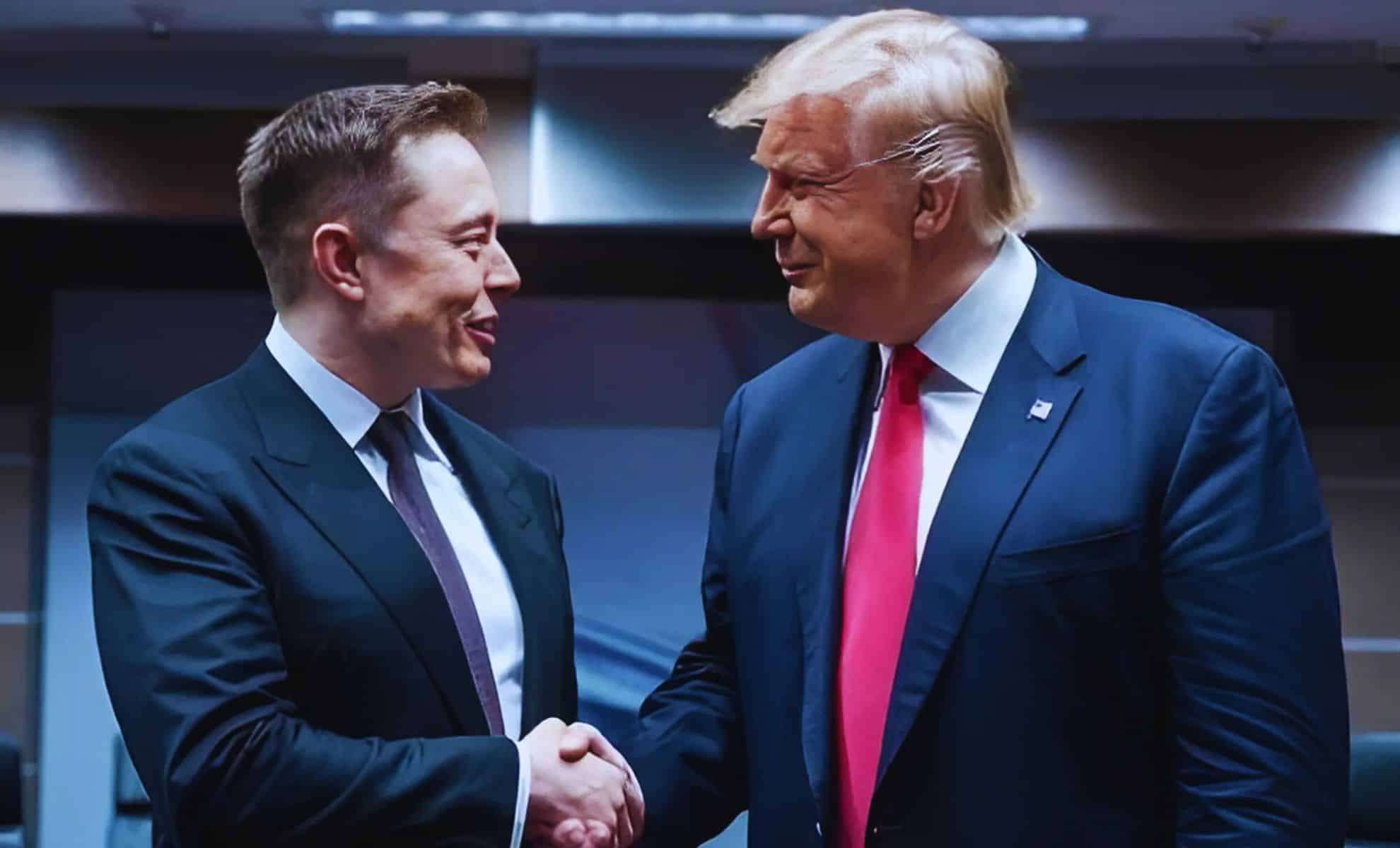
Donald Trump’s return to presidential office, combined with Elon Musk’s escalating influence, heralds a pivotal shift in the trajectory of NASA and the United States’ ambitions in space. Trump’s long-standing focus on space programs partnered with Musk’s groundbreaking vision could reshape the future priorities of the U.S. space agency.
The Debate: Lunar Missions or Martian Colonization?
During Trump’s initial presidency, the Artemis program was launched, targeting a crewed moon landing by 2030. Yet, Trump has expressed interest in skipping a lunar return to launch a direct mission to Mars.
As a passionate supporter of establishing a human presence on Mars, Musk’s objectives align with prioritizing Martian exploration. Reconsidering the Artemis agenda could be impactful, particularly given its estimated $90 billion price tag and its strategic role in competing with China’s lunar goals.

China’s ambitions targeting the moon’s South Pole region—central to Artemis—bring added geopolitical stakes. A move away from lunar exploration risks ceding critical ground in the growing international space race.
Central issues facing NASA:
- Whether to continue with lunar exploration or shift focus to Mars colonization;
- How Chinese advances in space might sway NASA’s agenda;
- The budgetary impact of scaling back or altering the Artemis program.
SpaceX’s Rising Influence in Lunar and Beyond Missions
The ongoing comparison between NASA’s costly and inflexible Space Launch System (SLS) and SpaceX’s more economical and reusable Starship vehicle has sparked heated discussion. While the SLS faces criticism for its high costs and lack of reusability, Starship offers a revolutionary, budget-friendly model. Trump’s public backing of Starship, particularly for its pioneering landing capabilities, further fuels speculation that it might supplant SLS as NASA’s main launch vehicle.
Side-by-Side: SLS Compared to Starship
Musk’s deepening advisory role raises potential conflicts of interest. His campaign contributions and governmental advisory position could impact decisions regarding NASA contract awards and environmental oversight—particularly for Starship’s launches. Critics warn this overlap may complicate the fair allocation of resources amid SpaceX’s expanding government partnerships.
The Road Ahead for NASA
Musk’s influence might also push for reorganizing NASA’s extensive network of ten centers, a restructuring proposal that is likely to meet opposition in Congress. While such changes could drive budget efficiency, they risk political fallout due to local job and economic impacts.
Choosing the next NASA administrator will shed light on the current administration’s space priorities. Trump's prior selection of loyalist Jim Bridenstine emphasized exploration over environmental research. A similar appointment now could signal deprioritizing climate science within NASA, potentially reversing advances made under the Biden administration.
- Categories:
- Space










0 comments
Sign in to Comment